Snail
Ramshorn Snails
Planorbella duryiPlanorbidaeSnails
Price: $15.99 USD
Add from My tanks →1 photos
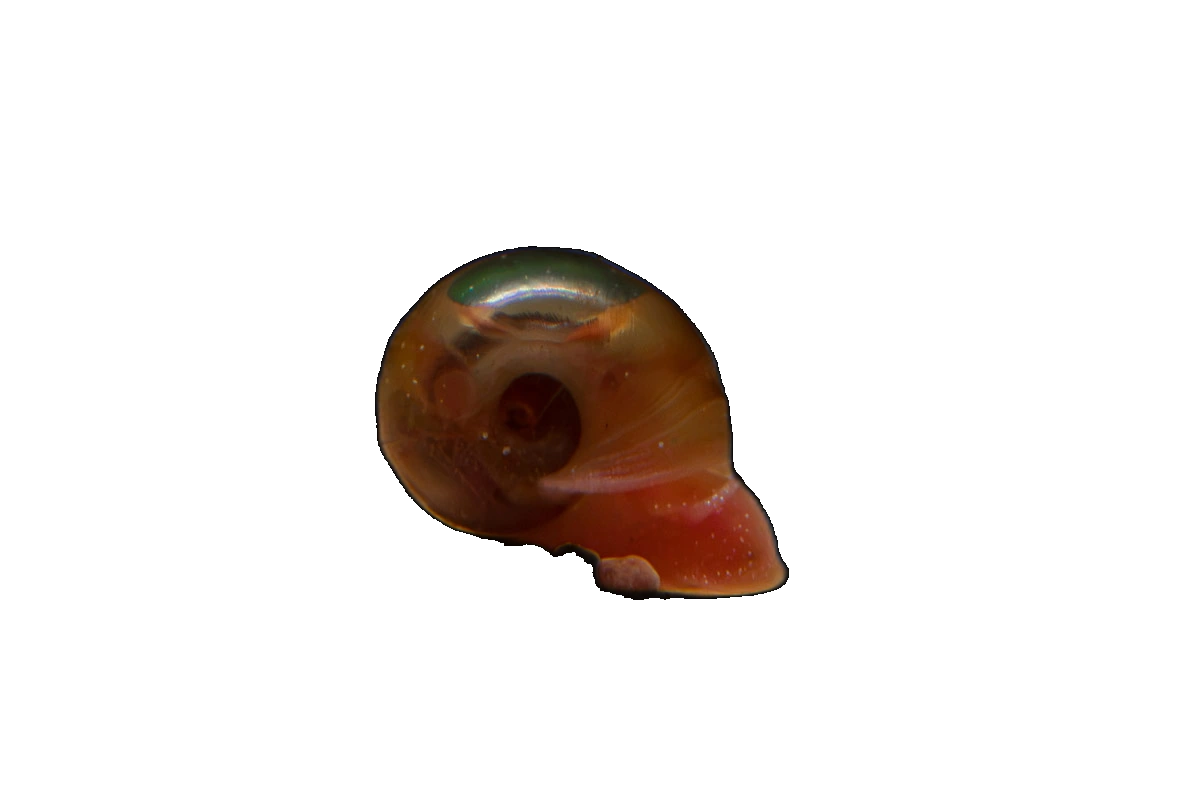
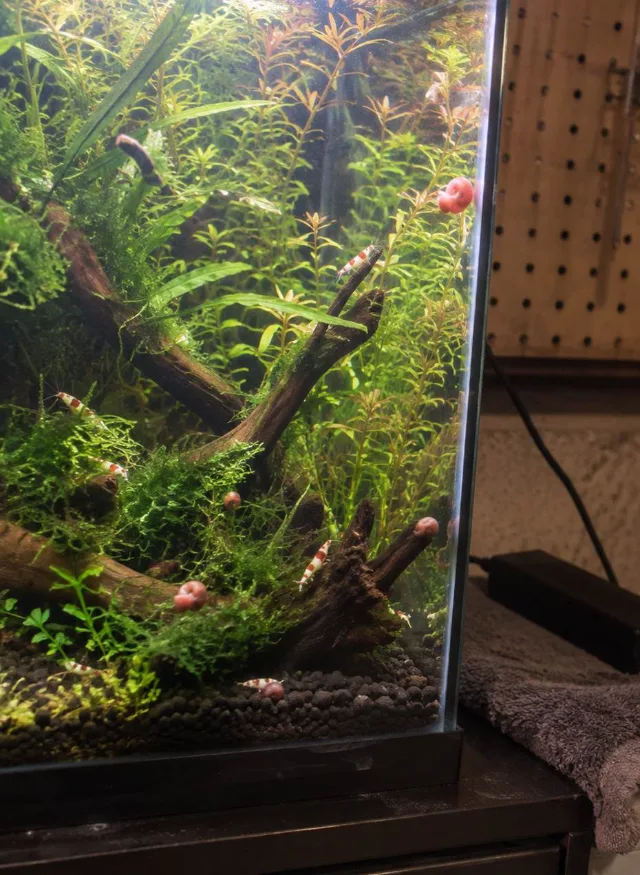
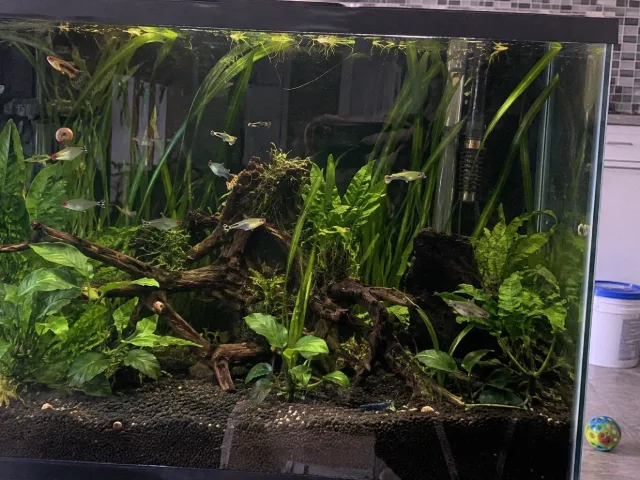
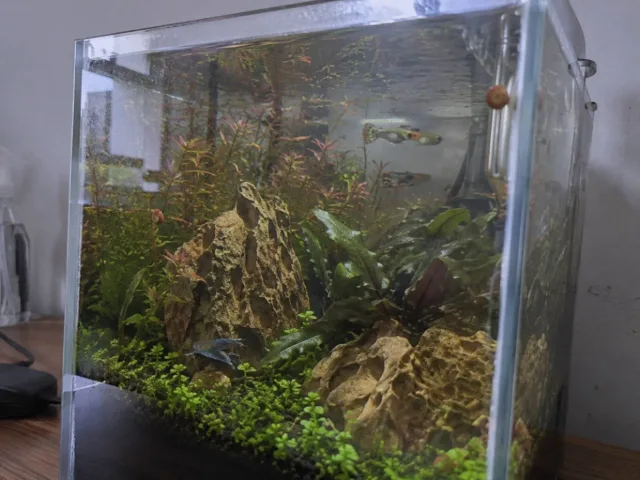
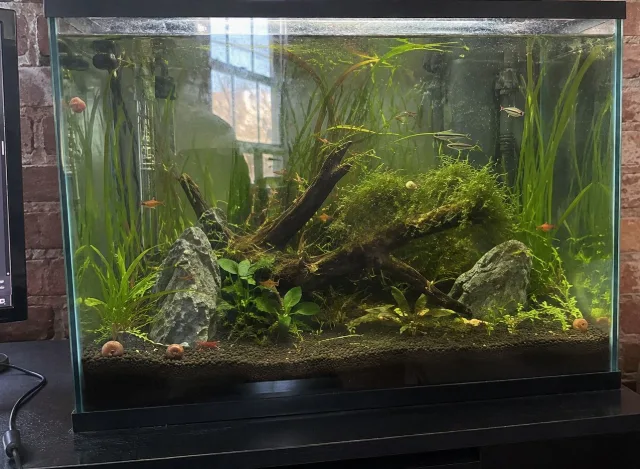
Ramshorn Snails (Planorbella duryi) are popular freshwater cleanup crew snails with distinctive flat, spiral shells in colors like brown, red, blue and pink. They graze on soft algae, biofilm, uneaten food and decaying plant matter, are peaceful and plant-safe, and do well in tanks of 5 gallons or more with stable water parameters.
Quick facts
Identity
- Also known as
- Seminole rams-horn; ram's horn snail; red ramshorn; blue ramshorn; leopard ramshorn
- Synonyms
- Helisoma duryi
- Environment
- Freshwater
- Native to
- United States (Florida)
- Habitat
- Slow-moving or still freshwater habitats rich in organic material, including marshes, ponds, lakes, and slow streams with aquatic vegetation and tolerance for low dissolved oxygen.
- Sourcing
- Captive-bred
- Conservation
- Not Evaluated
Care
- Care level
- Easy
- Temperament
- Peaceful
- Adult size
- 0.3 – 1 in (0.8 – 2.5 cm)
- Lifespan
- 1 – 2 yrs
- Min tank
- 5 gal (19 L)
- Growth rate
- Fast
- Placement
- Rock & glass
Water
- Temperature
- 65 – 82 °F (18 – 28 °C)
- pH
- 7.0 – 8.0
- GH
- 5 – 18 dGH
- TDS
- 100 – 500 ppm
- dKH
- 3 – 12 dKH
- Flow
- Low
Behavior & compatibility
- Social
- Colony
- Aggression to own kind
- Low
- Active
- Daytime
- Invert safe
- Yes
- Plant safe
- Yes
- Shrimp safe
- Yes
- Clean-up role
- Algae, Biofilm, Detritus, Leftover food
- Population boom risk
- High
Feeding & breeding
- Diet
- Omnivore
- Foods
- Algae, Biofilm, Vegetables, Pellets, Wafers
- Breeding type
- Egg scatterer
- Breeding difficulty
- Easy
- Sexing
- Simultaneous hermaphrodite; no external sexual dimorphism, though cross-fertilization between two individuals is typical.
- Target feeding
- Not needed
Something wrong or missing? Submit a correction
Care guide
Overview
Ramshorn snails are small planorbid gastropods named for their flat, coiled shells, found in shades of brown, red, pink, and blue depending on the individual. They spend most of their time grazing glass, decor, and plant leaves for algae and biofilm. Hardy and prolific, they suit nano to community tanks but can overpopulate quickly if fed heavily.
Care
Ramshorn snails are among the hardiest freshwater invertebrates in the hobby, tolerating a broad temperature range and even unheated tanks. They need calcium and a modest amount of carbonate hardness in the water to keep their shells from pitting or thinning, so very soft or acidic setups are best avoided or supplemented. A tightly fitted lid helps since they occasionally climb out of the water and stray from the tank. Copper-based medications should never be used in a tank housing them, as copper is lethal to snails.
Feeding
Ramshorns are opportunistic omnivores that graze soft algae, biofilm, diatoms, decaying plant leaves, and leftover fish food from surfaces throughout the tank. They rarely touch healthy plant tissue, focusing instead on dying or already-damaged leaves, so they pose little risk to a planted setup. Population size tracks food availability closely, meaning overfeeding the tank is the main driver of a sudden boom in numbers.
Tank mates
Peaceful and completely harmless toward fish, shrimp, and other snails, making them suitable for community, shrimp, and nano aquariums alike. They are frequently preyed upon by assassin snails, loaches, puffers, and larger cichlids, so those species should be avoided if a stable ramshorn population is desired. Conversely, keepers wanting a self-renewing live food source sometimes deliberately pair ramshorns with snail-eating fish.
Breeding
Breeding is effortless and often unintentional, since a single snail introduced on plants can found an entire colony given its hermaphroditic reproduction. Clear, gelatinous egg masses are deposited on plants, glass, or decor and typically hatch within about three weeks. Because reproduction rate scales with food surplus, the simplest way to manage numbers is to reduce feeding rather than remove snails by hand.
Health
The most common issue is shell erosion or pitting caused by soft, acidic, low-carbonate water, which strips calcium from the shell over time. Maintaining adequate GH and KH along with a calcium source in the diet or substrate prevents this. Population explosions from overfeeding are considered a husbandry issue rather than a disease, and are corrected by reducing food input rather than treating the animals.
Sources
More Snails
Something wrong or missing? Submit a correction
In the community