
Marine Invertebrates
ECC Astraea Turbo Snails
Astraea sp.TurbinidaeSnails
Add from My tanks →1 photos
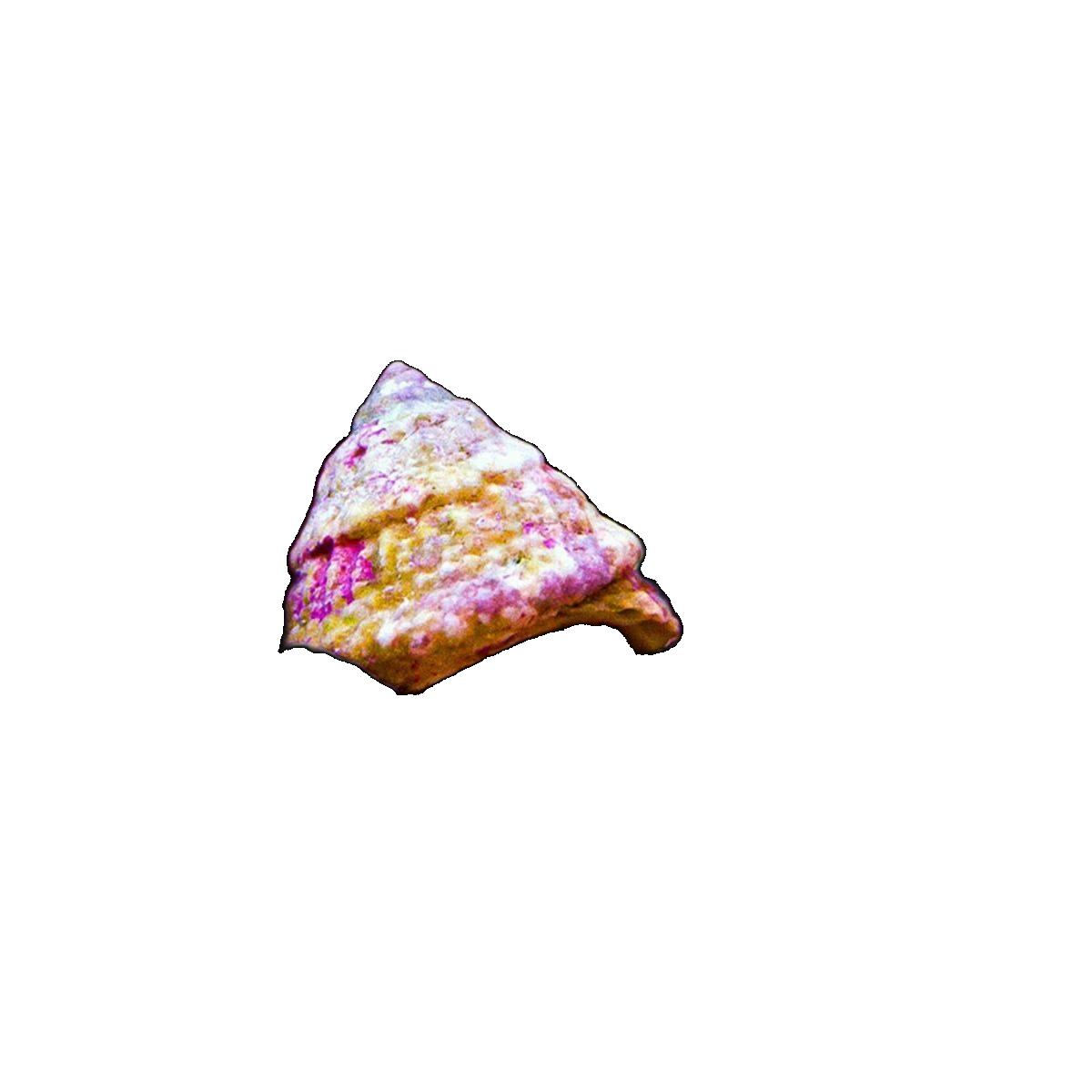
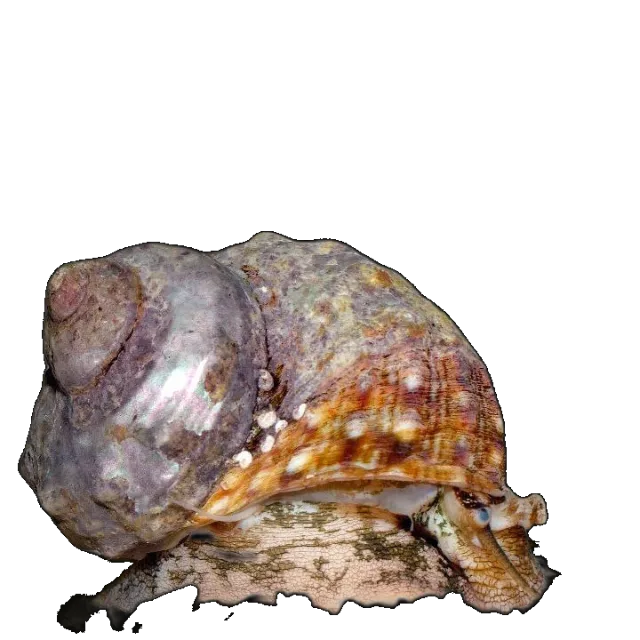
The ECC Astraea Turbo Snail (Astraea sp.) is one of the most effective algae-eating snails for saltwater aquariums, with a cone-shaped shell and constant grazing behavior. These peaceful, reef-safe herbivores continuously move across rockwork and glass consuming film algae and diatoms; they reach about 1 inch.
Quick facts
Identity
- Also known as
- Astraea Star Snail; Astraea Conehead Snail; West Indian Star Snail; True Astrea Snail; Cat Eye Snail; Top Shell
- Synonyms
- Astraea tecta; Lithopoma tectum
- Environment
- Saltwater
- Native to
- Caribbean Sea, Gulf of Mexico, Lesser Antilles, Atlantic coast of Brazil
- Habitat
- Turf algae zones on outer reef flats and reef crests among stony corals, depths of roughly 3-33 ft, occasionally to 50 ft; juveniles on shallower intertidal reef flats and rubble
- Sourcing
- Wild-caught
- Conservation
- Not Evaluated
Care
- Care level
- Easy
- Temperament
- Peaceful
- Adult size
- 0.5 – 1.5 in (1.3 – 3.8 cm)
- Lifespan
- 1 – 3 yrs
- Min tank
- 10 gal (38 L)
- Growth rate
- Slow
- Placement
- Bottom, Rock & glass
Water
- Temperature
- 72 – 78 °F (22 – 26 °C)
- pH
- 8.1 – 8.4
- dKH
- 8 – 12 dKH
- Salinity
- 1.023 – 1.026 SG
- Flow
- Low-Moderate
Behavior & compatibility
- Social
- Solitary
- Aggression to own kind
- Low
- Active
- Night
- Reef safe
- Yes
- Invert safe
- Yes
- Shrimp safe
- Yes
- Clean-up role
- Algae, Biofilm
- Population boom risk
- Low
Feeding & breeding
- Diet
- Herbivore
- Foods
- Algae, Vegetables
- Breeding type
- Broadcast spawner
- Breeding difficulty
- Not bred in captivity
- Sexing
- Gonochoric with separate male and female individuals, but no external sexual dimorphism, so sexes cannot be distinguished by shell or body appearance.
- Target feeding
- Beneficial
Something wrong or missing? Submit a correction
Care guide
Overview
Wild-collected from Caribbean and Gulf of Mexico reef flats, this snail carries a low, cone-shaped shell in mottled green, brown, orange, and cream tones. It patrols rock and glass around the clock, rasping film algae and diatoms down to a matte surface. Best added once a tank has established algae growth, and checked occasionally in case it lands upside down.
Care
Astraea snails are among the more reliable grazers for a reef cleanup crew, spending nearly all their time slowly working over rock and glass in search of film algae and diatoms. They do best in tanks that have been running long enough to grow a natural algae film, since bare, sterile setups leave them without enough to eat. One quirk to watch for is that they cannot right themselves if knocked onto their back, so an aquarist may need to flip a stranded snail before it starves or suffocates. They are intolerant of copper treatments and sudden shifts in salinity or temperature, so they should only go into a mature, stable system.
Feeding
Grazing on film algae, diatoms, cyanobacteria, and soft hair algae covers most of their dietary needs in an established tank. When natural algae growth is scarce, supplement with blanched spinach or lettuce, dried seaweed sheets, or algae wafers placed near the bottom. Because they feed passively while roaming, target feeding is rarely necessary or practical.
Tank mates
These snails are inert and defenseless beyond retreating into their shell, so they pair well with peaceful fish, corals, and other grazing invertebrates. Avoid keeping them with snail-eating fish such as certain wrasses, triggerfish, and puffers, and watch for hermit crabs that may try to evict them from their shells. They will not bother corals, sessile invertebrates, or aquascaping while foraging.
Breeding
Astraea snails are gonochoric, requiring separate males and females for reproduction, but broadcast spawning has not been documented as a reliable or repeatable event in home aquariums. Larvae have a planktonic stage that is essentially impossible to rear outside of specialized facilities. For practical purposes, hobbyists should consider this species not captive-bred and always replace losses with wild-collected stock.
Health
The most common cause of death in captivity is a snail that falls on its back and cannot flip itself over, leading to starvation or predation if not corrected quickly. They are sensitive to elevated nitrates and any copper-based medication, both of which can be fatal even in trace amounts. Sudden parameter swings during acclimation are another common stressor, so slow drip acclimation is recommended over standard floating methods.
Sources
More Snails
Something wrong or missing? Submit a correction
In the community
Popular tanks using ECC Astraea Turbo Snails
No public tanks are showcasing ECC Astraea Turbo Snails yet.