
Marine Invertebrates
ECC Checkered Nerite Snails
Nerita tessellataNeritidaeSnails
Add from My tanks →1 photos
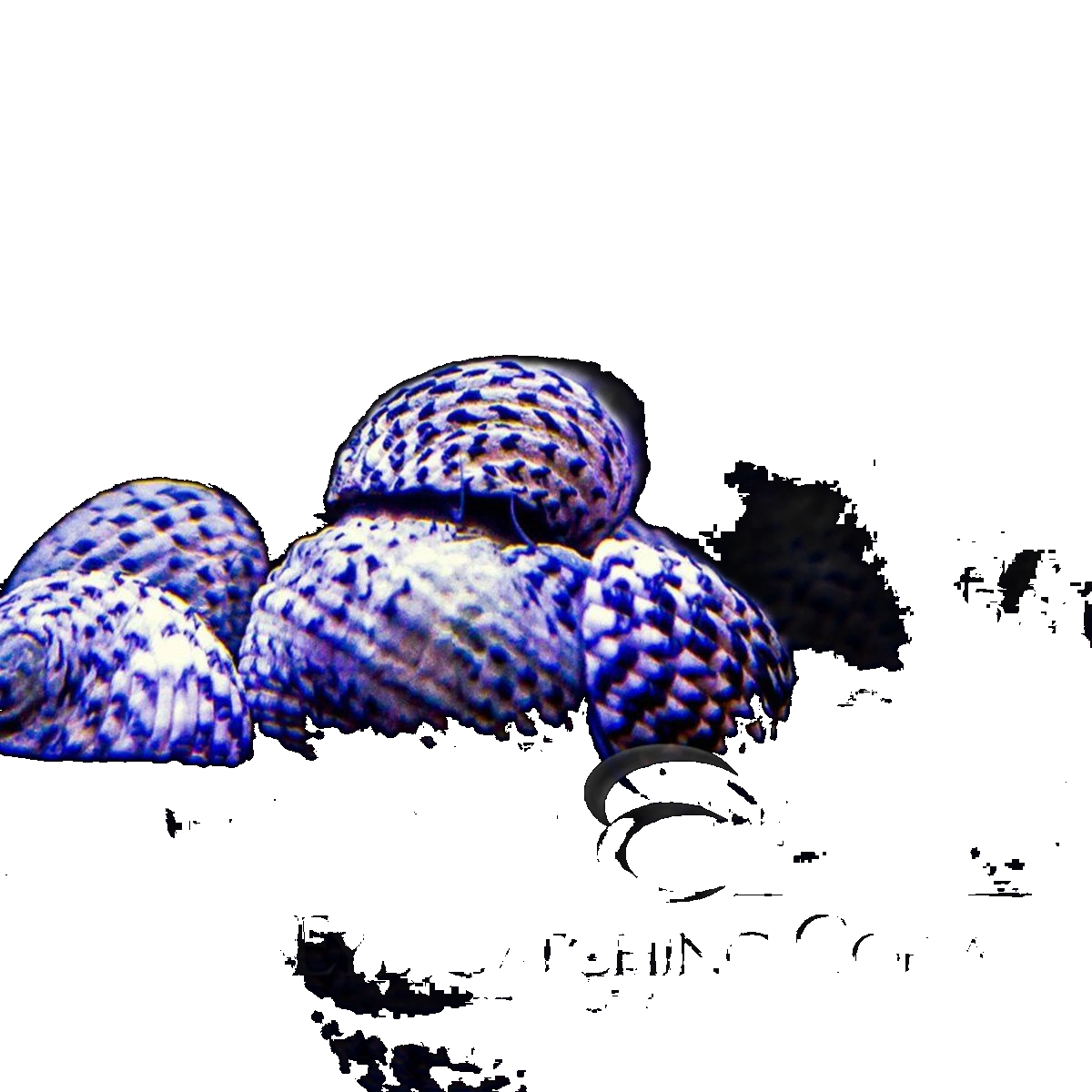
The ECC Checkered Nerite Snail (Nerita tessellata) is an effective algae-eating snail for saltwater aquariums, known for its small rounded shell and constant grazing across rockwork and glass. These peaceful, reef-safe herbivores mainly consume film algae; they reach about 1 inch.
Quick facts
Identity
- Also known as
- Checkered Nerite; Karierte Nerita; Nixenschnecke
- Synonyms
- Nerita angulata; Nerita exarata; Nerita varia
- Environment
- Saltwater
- Native to
- Western Atlantic: Florida, Caribbean, Mexico, Belize, Honduras, Costa Rica, Panama, Colombia, Venezuela, Brazil
- Habitat
- Rocky intertidal shorelines and tidepools, typically high in the intertidal zone on hard substrates and reef rock, down to a few meters depth
- Sourcing
- Wild-caught
- Conservation
- Not Evaluated
Care
- Care level
- Easy
- Temperament
- Peaceful
- Adult size
- 0.5 – 1 in (1.3 – 2.5 cm)
- Lifespan
- 1 yrs
- Min tank
- 10 gal (38 L)
- Growth rate
- Slow
- Placement
- Rock & glass
Water
- Temperature
- 68 – 79 °F (20 – 26 °C)
- pH
- 8.0 – 8.4
- dKH
- 8 – 12 dKH
- Salinity
- 1.023 – 1.025 SG
- Flow
- Low-Moderate
Behavior & compatibility
- Social
- Solitary
- Aggression to own kind
- Low
- Active
- Night
- Reef safe
- Yes
- Invert safe
- Yes
- Plant safe
- Yes
- Shrimp safe
- Yes
- Clean-up role
- Algae, Biofilm
- Population boom risk
- Low
Feeding & breeding
- Diet
- Herbivore
- Foods
- Algae, Vegetables
- Breeding type
- Broadcast spawner
- Breeding difficulty
- Not bred in captivity
- Sexing
- No external sexual dimorphism; sexes cannot be distinguished by shell appearance
- Target feeding
- Beneficial
Something wrong or missing? Submit a correction
Care guide
Overview
Collected from intertidal rock shelves and tidepools across Florida and the Caribbean, this small snail carries a rounded, checkered black-and-cream shell rarely exceeding an inch. It patrols glass and live rock around the clock, rasping off film algae and diatoms, and stays peaceful toward corals, fish, and other invertebrates. Stable salinity matters more than diet for long-term health.
Care
The checkered nerite is a low-maintenance grazer suited to established reef or fish-only marine tanks with plenty of live rock and glass surface to patrol. It does not tolerate large or rapid swings in salinity, so a slow drip acclimation is recommended when introducing new specimens. Beyond stable water quality, it asks for very little and will spend nearly all its time working over rockwork and panes rather than hiding.
Feeding
Film algae, diatoms, and cyanobacteria growing on rock and glass make up the bulk of its diet, and a well-established tank usually supplies enough to keep it fed. When natural algae growth runs low, offer blanched vegetables, dried seaweed, or algae wafers to prevent starvation. Avoid overfeeding supplemental foods since uneaten scraps can degrade water quality in a reef system.
Tank mates
Its small size and inoffensive grazing habits make it compatible with nearly all reef fish, corals, and other invertebrates. It poses no threat to sessile invertebrates and can be housed alongside hermit crabs, other snails, and most reef fish without issue. Avoid tankmates known to prey on snails, such as certain wrasses, pufferfish, or aggressive crabs.
Breeding
Wild populations reproduce as broadcast spawners, releasing eggs and sperm into open water where larvae develop planktonically before settling. This life cycle essentially never completes in a closed aquarium system, so captive reproduction is not a realistic expectation. Most specimens in the trade are wild-collected rather than propagated, and the species will not establish a self-sustaining population in a home tank.
Health
This nerite is generally hardy provided salinity and temperature stay stable, but sudden drops in specific gravity can be lethal since it originates from a narrow intertidal niche. It has a naturally short lifespan of roughly a year in captivity, so declining numbers over time are typically a natural die-off rather than a husbandry failure. Watch for shells found outside the water; they can simply be returned to the tank, as brief air exposure does not usually harm them.
Sources
More Snails
Something wrong or missing? Submit a correction
In the community
Popular tanks using ECC Checkered Nerite Snails
No public tanks are showcasing ECC Checkered Nerite Snails yet.