
Marine Invertebrates
ECC Stocky Cerith Snails
Cerithium sp.CerithiidaeSnails
Add from My tanks →1 photos
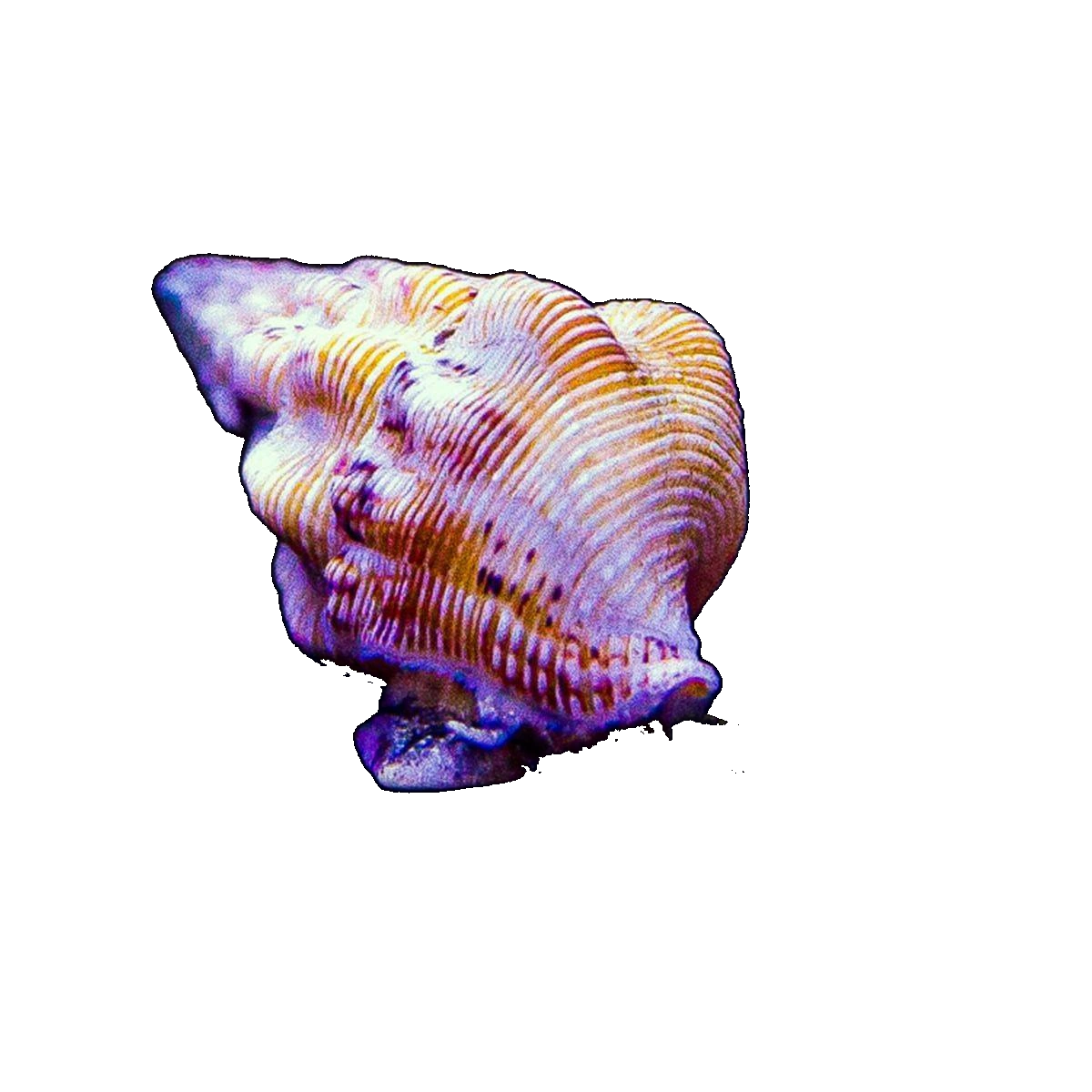
ECC Stocky Cerith Snails are hardworking members of any saltwater cleanup crew, grazing on film algae, diatoms, and leftover organic debris. These small omnivorous snails keep rockwork, glass, and sand cleaner between maintenance; they reach about 1 inch and are peaceful and reef-safe.
Quick facts
Identity
- Also known as
- Tower snail; Cone snail
- Environment
- Saltwater
- Native to
- Caribbean Sea, Eastern Pacific, Gulf of California, tropical and subtropical coastal waters worldwide
- Habitat
- Shallow intertidal and subtidal sand, mud, and seagrass flats, including mangrove areas and nearshore reef zones
- Sourcing
- Both
- Conservation
- Not Evaluated
Care
- Care level
- Easy
- Temperament
- Peaceful
- Adult size
- 1 – 1.8 in (2.5 – 4.4 cm)
- Lifespan
- 2 – 5 yrs
- Min tank
- 10 gal (38 L)
- Growth rate
- Slow
- Placement
- Bottom, Rock & glass
Water
- Temperature
- 72 – 78 °F (22 – 26 °C)
- pH
- 8.1 – 8.4
- dKH
- 8 – 12 dKH
- Salinity
- 1.023 – 1.025 SG
- Flow
- Low-Moderate
Behavior & compatibility
- Social
- Group
- Aggression to own kind
- Low
- Active
- Night
- Reef safe
- Yes
- Invert safe
- Yes
- Plant safe
- Yes
- Shrimp safe
- Yes
- Clean-up role
- Algae, Biofilm, Detritus, Leftover food, Sand sifting
- Population boom risk
- Low
Feeding & breeding
- Diet
- Omnivore
- Foods
- Algae, Biofilm, Vegetables, Pellets
- Breeding type
- Egg scatterer
- Breeding difficulty
- Difficult
- Sexing
- Sexes are not externally distinguishable; internal anatomy differs but cannot be determined by visual inspection
- Target feeding
- Beneficial
Something wrong or missing? Submit a correction
Care guide
Overview
Suited to reef and fish-only systems alike, this stocky cerith variety fits any tank running a sand bed and mature rockwork needing extra grazing pressure. Around 1 inch long, it works the substrate and glass overnight for diatoms and debris. Peaceful toward all tankmates, it avoids copper-based treatments and tolerates typical reef parameters well.
Care
Cerith snails are among the hardiest gastropods kept in marine aquariums and require little beyond stable water quality once settled in. They favor tanks with a few inches of sand and mature live rock, where they spend most of their time plowing through the upper substrate layer. Like most invertebrates they are intolerant of copper-based medications and elevated nitrate, so dosing and water changes should be planned accordingly. Occasionally one will end up stranded upside down on the glass or rockwork, and it benefits from being righted if noticed.
Feeding
In a tank with established algae film and diatoms, ceriths largely feed themselves as they graze rock, glass, and the sand surface overnight. When natural algae growth is sparse, supplement with dried seaweed clipped to the glass or rockwork, or offer sinking pellets and occasional vegetable matter. They are opportunistic omnivores and will also pick at detritus and leftover fish food scattered across the substrate.
Tank mates
Peaceful and entirely inoffensive, ceriths pose no risk to fish, corals, or other invertebrates and can be combined with almost any reef or fish-only community. They make good companions for other sand-dwelling cleanup crew members such as nassarius snails and small hermit crabs, since their burrowing focuses on different substrate depths. No competition or aggression issues have been reported between ceriths and typical reef inhabitants.
Breeding
Breeding pairs occasionally lay strings of eggs in zig-zag patterns on the aquarium glass after dark, but the eggs are usually consumed by tankmates or pulled into filtration before hatching. Sexes cannot be reliably distinguished by sight, and the specific conditions needed to trigger larval development are not well documented. Successful captive rearing is rare and most specimens in the trade are wild-collected or maricultured rather than tank-bred.
Health
Ceriths are generally disease-free but can succumb quickly to copper exposure or sudden salinity swings, both of which are common causes of unexplained losses. Shell erosion can occur in water that is too soft or acidic for their calcification needs. A snail found upside down for an extended period may be unable to right itself and should be checked, since prolonged exposure can lead to stress or death.
Sources
Varieties in the catalog
More Snails
Something wrong or missing? Submit a correction
In the community
Popular tanks using ECC Stocky Cerith Snails
No public tanks are showcasing ECC Stocky Cerith Snails yet.