Marine Invertebrates
Nassarius Snail
Nassarius sp.NassariidaeSnails
Price: $3.53 USD
Add from My tanks →1 photos
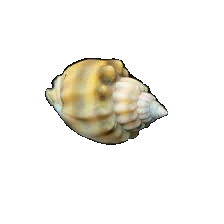
The Nassarius Snail is a small scavenger with an oval, spiral shell resembling an olive pit, known for its big appetite for detritus, uneaten food, and fish waste. It burrows in the sand with its siphon protruding, aerating the substrate, and prefers an established aquarium with a deep sand bed.
Quick facts
Identity
- Also known as
- Zombie Snail; Sand Sifting Snail; Nassa Snail; Nassarius Mud Snail; Scavenger Snail
- Synonyms
- Nassarius vibex; Nassarius distortus
- Environment
- Saltwater
- Native to
- Western Atlantic, Gulf of Mexico, Caribbean, worldwide coastal zones
- Habitat
- Shallow sandy and muddy coastal seabeds, lagoons, estuaries and reef margins where it burrows beneath soft substrate
- Sourcing
- Wild-caught
- Conservation
- Not Evaluated
Care
- Care level
- Easy
- Temperament
- Peaceful
- Adult size
- 0.5 – 1 in (1.3 – 2.5 cm)
- Lifespan
- 1 – 3 yrs
- Min tank
- 10 gal (38 L)
- Growth rate
- Slow
- Placement
- Bottom
Water
- Temperature
- 72 – 78 °F (22 – 26 °C)
- pH
- 8.1 – 8.4
- dKH
- 8 – 12 dKH
- Salinity
- 1.023 – 1.025 SG
- Flow
- Moderate
Behavior & compatibility
- Social
- Group · groups of 3+
- Aggression to own kind
- Low
- Active
- Night
- Reef safe
- Yes
- Invert safe
- Yes
- Plant safe
- Yes
- Shrimp safe
- Yes
- Clean-up role
- Detritus, Leftover food, Carrion, Sand sifting
- Population boom risk
- Low
Feeding & breeding
- Diet
- Carnivore
- Foods
- Frozen, Freeze-dried, Pellets, Live
- Breeding type
- Broadcast spawner
- Breeding difficulty
- Not bred in captivity
- Sexing
- Sexes are separate but externally indistinguishable; no visible dimorphism
- Target feeding
- Beneficial
Something wrong or missing? Submit a correction
Care guide
Overview
A small marine gastropod with an oval, olive-pit shell in mottled cream and brown, the Nassarius Snail spends daylight hours buried in the sand bed with only its siphon exposed. It surfaces rapidly when it detects food odor, sifting substrate as it moves toward carrion or leftovers. Best kept in groups on a deep fine sand bed within a stable, established reef system.
Care
Nassarius snails need an established marine aquarium with a soft, fine sand substrate at least 2 inches deep so they can bury themselves fully between feedings. They spend most of the day hidden below the surface with only the siphon visible, emerging quickly whenever food scent reaches the water column. Stable reef parameters are important since these snails react poorly to swings in salinity, pH, or trace elements, and shell erosion is often an early warning sign of low calcium or alkalinity.
Feeding
As scavengers rather than algae grazers, Nassarius snails rely on meaty leftovers, carrion, and sinking protein-based foods to survive. Offer small pieces of mysis, chopped shrimp, clam, or a sinking carnivore pellet a few times a week if the tank is very clean, since overstocking a low-bioload system can lead to starvation. Their sense of smell is acute, and a healthy population will cause the sand to visibly "boil" as they surface in search of food.
Tank mates
Generally peaceful and compatible with fish, corals, and most other invertebrates in a reef system, though they may congregate around a dying or already dead animal in a way that can be mistaken for aggression. They do well in small groups as long as enough food reaches the substrate to support them. Avoid combining them with any copper-based medications, which are lethal to this and most other invertebrates.
Breeding
Reproduction has not been reliably achieved in home aquariums, and most specimens available in the trade are wild-collected. Nassarius snails are gonochoristic and lay small egg capsules in the wild that hatch into planktonic larvae, a life stage that is impractical to rear outside of specialized facilities. Hobbyists should not expect or plan for captive breeding.
Health
These snails are hardy and rarely show illness directly, but shell erosion or pitting usually signals inadequate calcium, alkalinity, or pH stability rather than disease. Sudden die-off is almost always tied to a crash in water quality or exposure to copper, since Nassarius snails have essentially no tolerance for it. A snail that stays surfaced and inactive for extended periods, rather than burrowing, can indicate a stressed or failing individual.
Sources
More Snails
Something wrong or missing? Submit a correction
In the community