Aquatic Plant
Rotala Nanjenshan
Rotala sp. 'Nanjenshan'LythraceaeStem plants
Price: $6.99 USD
Add from My tanks →1 photos
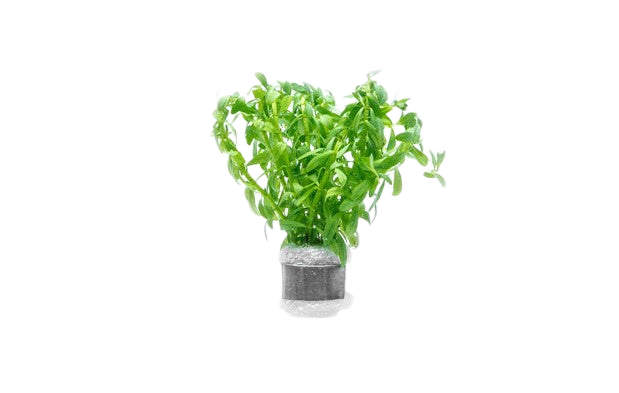
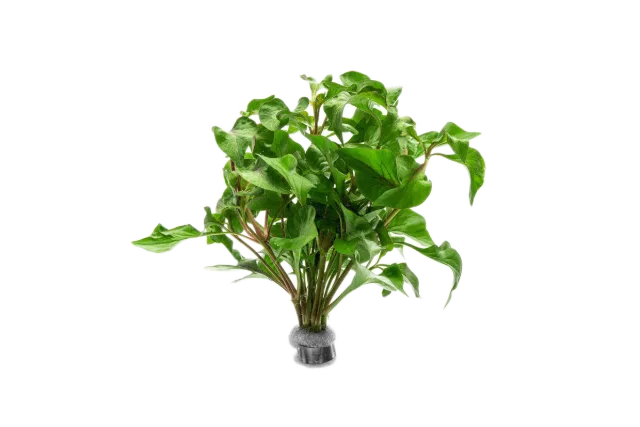
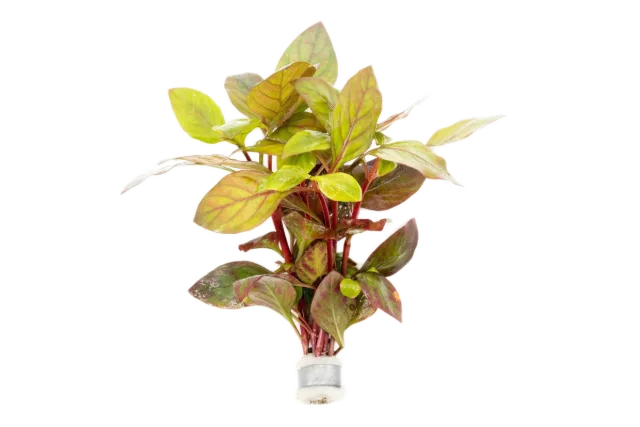
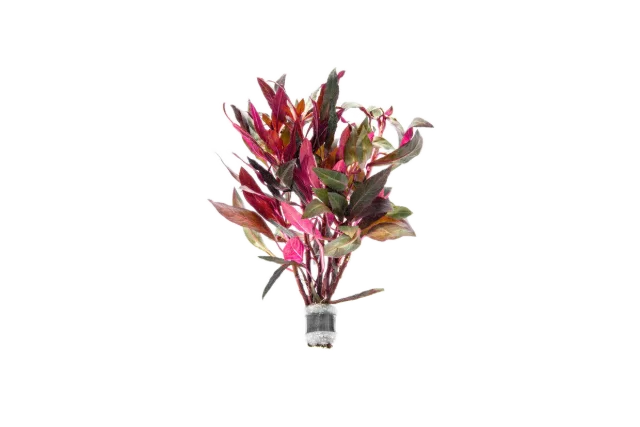
Rotala sp. 'Nanjenshan' is a delicate natural hybrid from Taiwan combining the hardy habit of R. rotundifolia with the fine needle-like foliage of R. wallichii. Moderate care, it needs medium to high light, soft acidic water, CO2 and iron-rich fertilization for dense whorls with pink-gold tips, and propagates from stem cuttings.
Quick facts
Identity
- Also known as
- Nanjenshan Rotala hybrid
- Synonyms
- Mayaca rosa (trade misnomer); possibly Rotala rotundifolia x R. wallichii hybrid
- Environment
- Freshwater
- Native to
- Taiwan
- Habitat
- Freshwater streams and hillside lakes in southern Taiwan near Nanjenshan, exact wild habitat poorly documented
- Sourcing
- Captive-bred
- Conservation
- Not Evaluated
Care
- Care level
- Moderate
- Growth form
- Stem
- Max height
- 4 – 20 in (10 – 51 cm)
- Spread
- 4 in (10 cm)
- Growth rate
- Fast
- Placement
- Midground, Background
Water
- Temperature
- 68 – 82 °F (20 – 28 °C)
- pH
- 6.0 – 7.0
- GH
- 2 – 12 dGH
- Flow
- Low-Moderate
- Light
- Medium
- CO₂
- Beneficial
Planting
- Substrate
- Any
- Feeds from
- Both
- Fertilizer needs
- Medium
- Colors
- Green, Pink, Red
Feeding & breeding
- Propagation
- Cuttings
Something wrong or missing? Submit a correction
Care guide
Overview
Rotala sp. 'Nanjenshan' is a natural hybrid combining Rotala rotundifolia's hardiness with the needle-thin whorled foliage of Rotala wallichii. Whorls of narrow leaves color pink to gold at the growing tips under strong light and iron dosing. A fast, moderate-care background stem best kept in soft, slightly acidic water with CO2 and regular trimming.
Care
A fine-leaved stem plant believed to be a natural hybrid between Rotala rotundifolia and Rotala wallichii, combining an easier growth habit with delicate needle-like whorled foliage. It tolerates a range of substrates and water chemistry, doing best in soft to moderately hard, slightly acidic to neutral water, and adapts to both low-tech and CO2-injected setups though growth and color improve markedly with supplemental CO2. Regular trimming keeps the tall stems bushy and prevents lower leaves from thinning out under insufficient light.
Planting & trimming
Plant stems individually in the substrate with a few centimeters of spacing so light reaches all growth points; dense clumping causes inner stems to shade out and die back. Top cuttings can be trimmed and replanted every few weeks to maintain a dense bushy backdrop, and can also be grown emersed in a humid terrarium where it forms a shorter, denser, moss-like mat.
Fertilizing
Responds well to iron-rich liquid fertilizers, which help intensify the reddish tint on the growing tips. Nitrogen, potassium and phosphorus supplementation supports the fast growth rate typical of this plant. Yellowing leaves or pale lower stems usually indicate a nutrient deficiency rather than disease, most often light or iron related.
Propagation
Propagated by cutting healthy stem tips and replanting them directly into the substrate, where they root readily and branch into new bushy growth within a few weeks.
Problems
The most frequent issue is algae fouling the fine leaves, generally caused by excess light relative to available nutrients or weak flow. Some stem and leaf loss can occur shortly after planting as the plant converts from emersed nursery growth to submersed form, and dead material should be removed promptly. Given adequate light it is less prone to melting than many other Rotala species.
Sources
More Stem plants
Something wrong or missing? Submit a correction
In the community