Shrimp
Blue Rili Shrimp
Neocaridina davidiAtyidaeDwarf shrimp
Price: $57.99 USD
Add from My tanks →1 photos
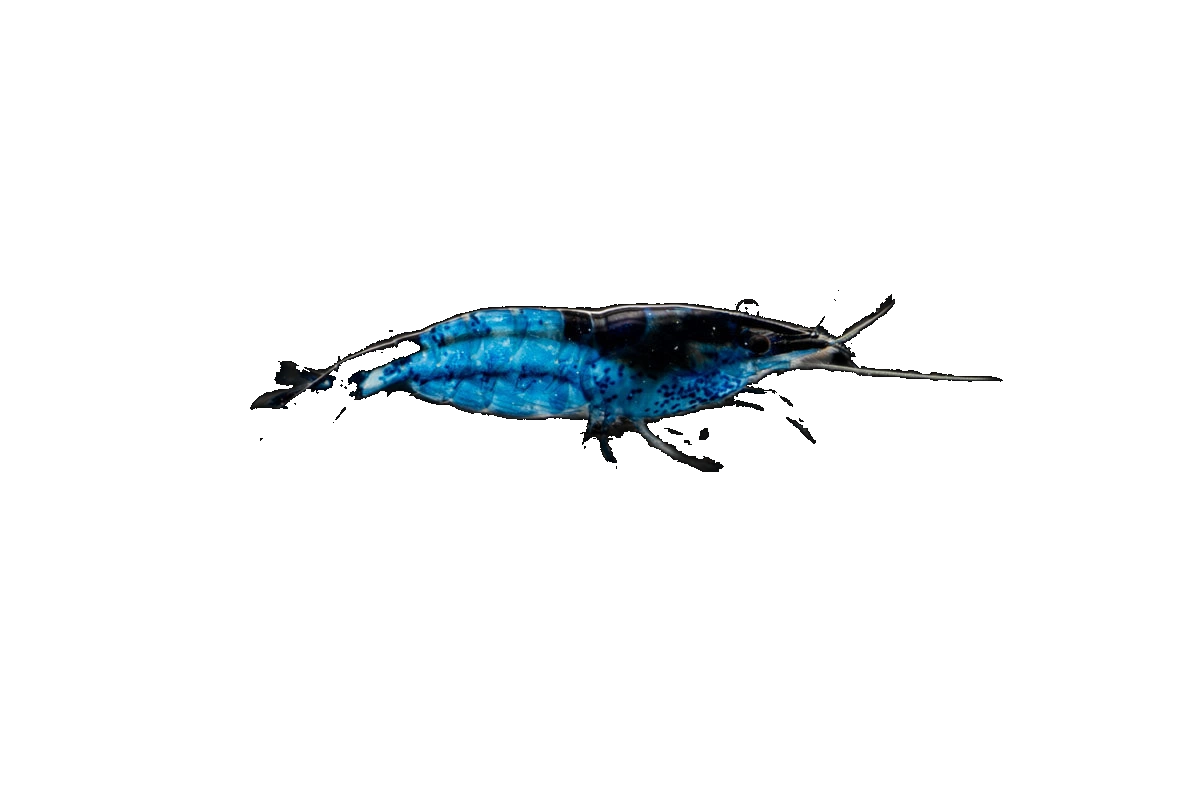
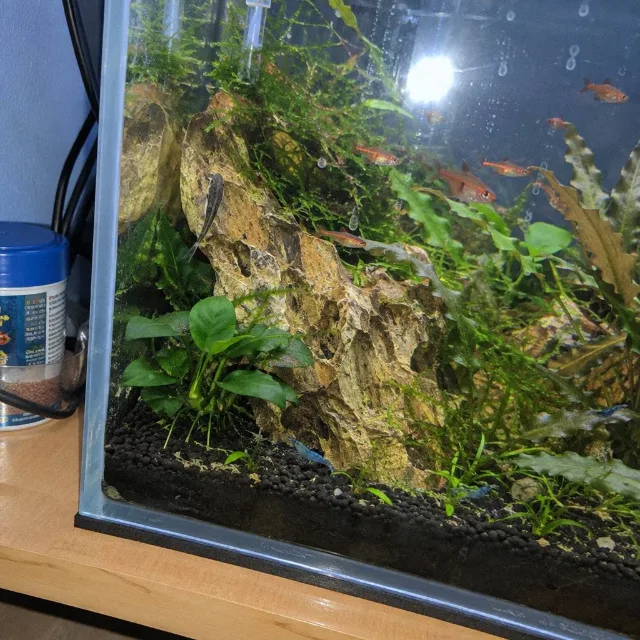
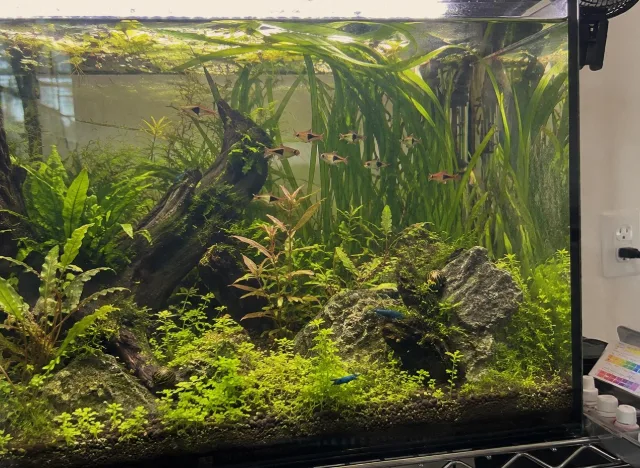
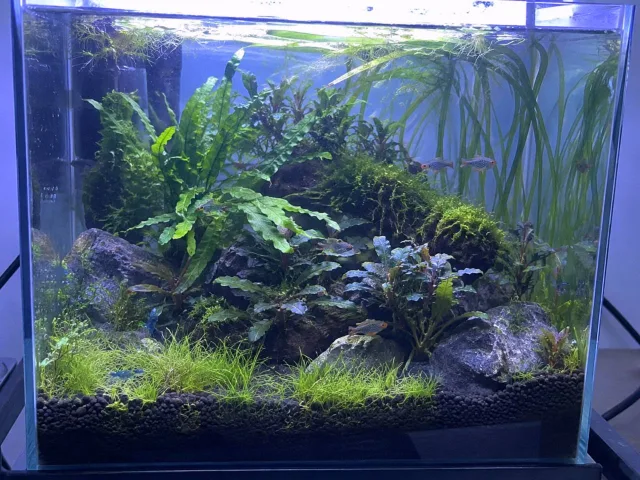
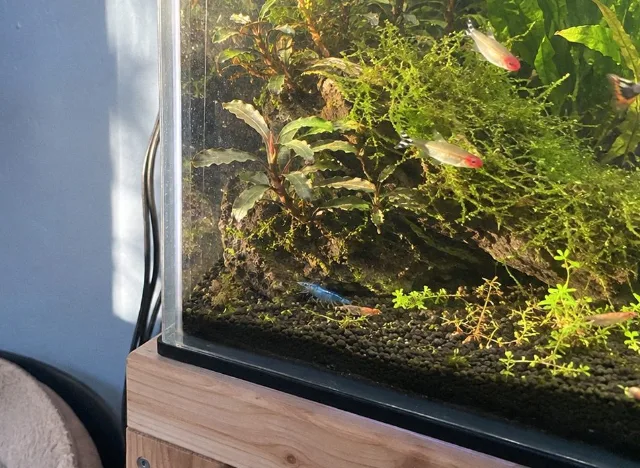
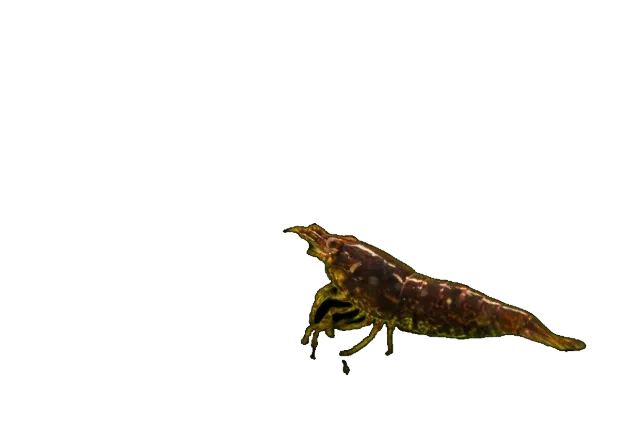
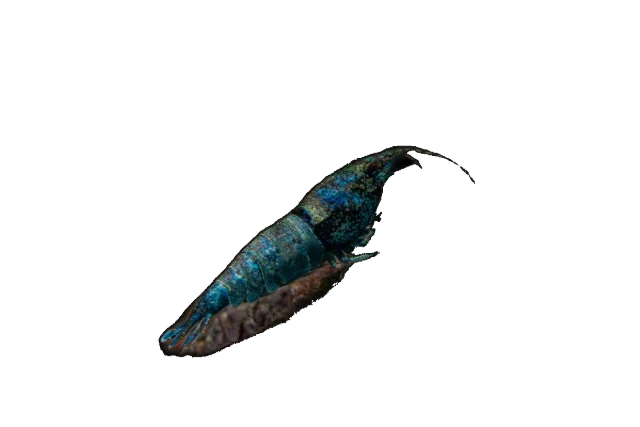
Blue Rili Shrimp (Neocaridina davidi) is a beginner-friendly shrimp with a striking pattern of deep midnight-blue and dark carbon-black tones separated by crystal-clear translucent sections. Hardy and low-maintenance, these tireless scavengers graze on biofilm and algae, breed prolifically into self-sustaining colonies, and adapt to a wide range of water parameters.
Quick facts
Identity
- Also known as
- Blue Carbon Rili
- Synonyms
- Neocaridina heteropoda; Neocaridina denticulata sinensis; Neocaridina zhangjiajiensis (often confused/interbred)
- Environment
- Freshwater
- Native to
- Taiwan, Eastern China, Korea
- Habitat
- Slow-flowing streams, ponds, rice paddies, and canals with dense vegetation, submerged roots, and decaying leaf litter over muddy-sandy substrate
- Sourcing
- Captive-bred
- Conservation
- Not Evaluated
Care
- Care level
- Easy
- Temperament
- Peaceful
- Adult size
- 0.5 – 1.5 in (1.3 – 3.8 cm)
- Lifespan
- 1 – 2 yrs
- Min tank
- 5 gal (19 L)
- Growth rate
- Fast
- Placement
- Bottom
Water
- Temperature
- 65 – 78 °F (18 – 26 °C)
- pH
- 6.5 – 7.8
- GH
- 6 – 12 dGH
- TDS
- 150 – 300 ppm
- dKH
- 3 – 8 dKH
- Flow
- Low-Moderate
Behavior & compatibility
- Social
- Group · groups of 10+
- Aggression to own kind
- Low
- Active
- Daytime
- Invert safe
- Yes
- Plant safe
- Yes
- Shrimp safe
- Yes
- Clean-up role
- Algae, Biofilm, Detritus, Leftover food
- Population boom risk
- Moderate
Feeding & breeding
- Diet
- Omnivore
- Foods
- Pellets, Micro-pellets, Algae, Biofilm, Vegetables, Freeze-dried
- Breeding type
- Direct development
- Breeding difficulty
- Easy
- Sexing
- Females are larger and rounder-bodied with a more pronounced saddle and belly curve, and carry eggs under the abdomen; males are smaller, slimmer, and often show less intense coloration
- Target feeding
- Beneficial
Something wrong or missing? Submit a correction
Care guide
Overview
Bred from Neocaridina davidi lines selected for a rili pattern rather than found in wild populations. Deep midnight-blue and carbon-black segments alternate with clear translucent bands along the body. Colonies establish readily in a cycled tank and hold parameters typical of the species.
Care
Cherry shrimp are among the hardiest freshwater invertebrates in the trade and tolerate a fairly broad range of parameters as long as ammonia and nitrite stay at zero and changes happen gradually. A mature tank with an established biofilm layer, mosses, and fine leaf litter gives them constant grazing material and cover for molting. A sponge filter or a mesh-guarded intake is essential since standard intakes will pull small shrimp and shrimplets in.
Feeding
In a planted, cycled tank most of their diet comes from grazing biofilm, biofilm-coated surfaces, and algae, so supplemental feeding should be light and infrequent to avoid fouling the water. Offer small amounts of shrimp-specific pellets, blanched vegetables such as zucchini or spinach, and occasional catappa (Indian almond) leaves, removing uneaten food within a day. Overfeeding is the most common mistake and tends to cause ammonia spikes rather than benefiting the colony.
Tank mates
Best housed in species-only setups or with very small, peaceful fish such as otocinclus, small rasboras, and dwarf livebearers that will not hunt shrimplets. Avoid cichlids, gouramis, angelfish, and other predatory or boisterous fish that will pick off shrimp, especially newly molted or berried individuals. Mixing different Neocaridina color varieties in the same tank leads to color-washed offspring over generations, so separate colonies are recommended for keeping pure lines.
Breeding
Breeding happens readily in stable, mature tanks without any special intervention required. Females carry 20-40 eggs under the abdomen for roughly three to four weeks before releasing fully formed miniature shrimp that immediately fend for themselves and graze biofilm. Colonies can multiply quickly under good conditions, so plan tank space and filtration accordingly.
Health
Molting is the most vulnerable period, and inconsistent GH or KH can lead to soft, incomplete, or failed molts that are often fatal. Copper-based medications and fertilizers are highly toxic and should never be used in a shrimp tank. Sudden swings in temperature or mineral content, rather than steady but imperfect parameters, are the usual cause of unexplained colony die-offs.
Sources
Varieties in the catalog
More Dwarf shrimp
Something wrong or missing? Submit a correction
In the community