
Marine Invertebrates
Turban Snail
Tectus fenestratusTegulidaeSnails
Price: $3.53 USD
Add from My tanks →1 photos
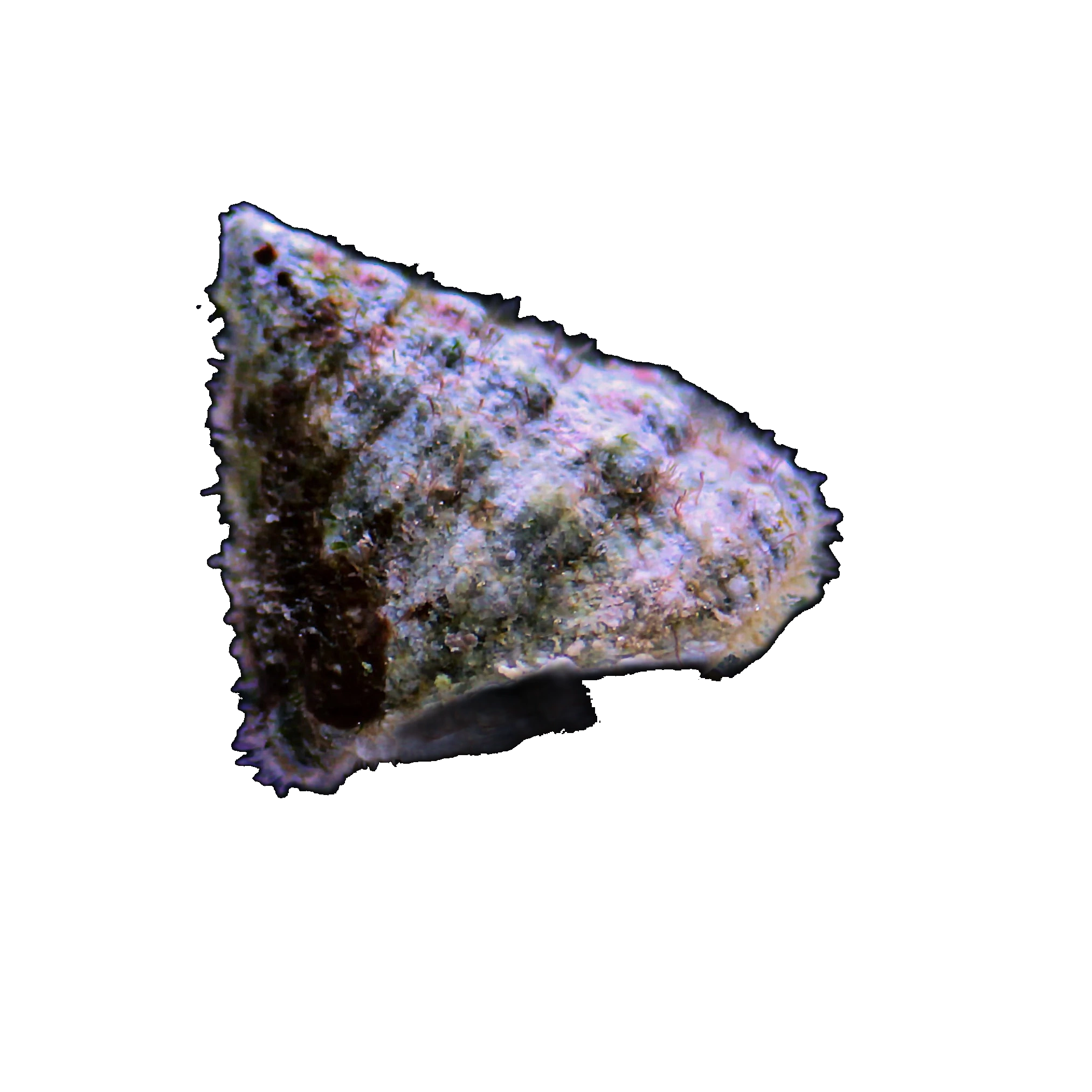
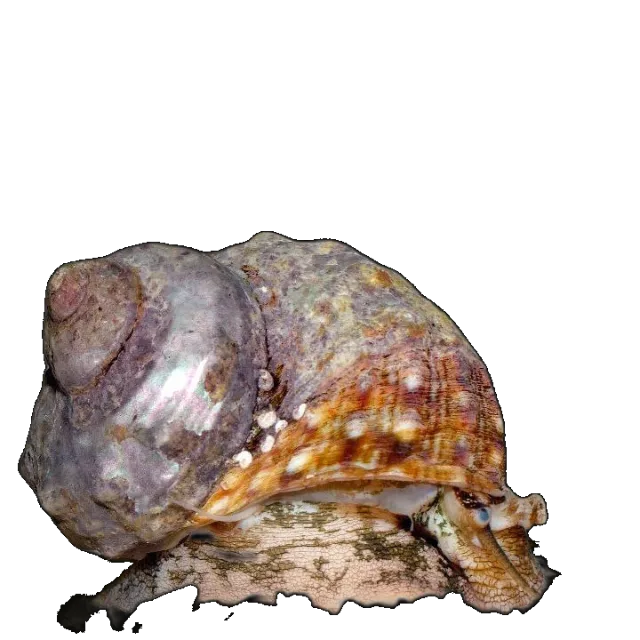
The Turban Snail (Tectus fenestratus), also called the Top, False Trochus, or Pyramid Snail, is a hardy cleanup-crew powerhouse that keeps live rock and glass free of algae. It has a bumpy turban-shaped shell in earth tones and a white foot with fine black dots, needs an established aquarium with grazing areas and adequate calcium, tolerates no copper medications, and can spawn in mature reef aquariums.
Quick facts
Identity
- Also known as
- Top Snail; False Trochus Snail; Pyramid Snail; Tectus Snail; Windowed Top Snail
- Synonyms
- Trochus fenestratus
- Environment
- Saltwater
- Native to
- Indo-Pacific Ocean
- Habitat
- Coral reef slopes, rubble zones, rocky shores, and intertidal flats with abundant film algae and diatoms
- Sourcing
- Wild-caught
- Conservation
- Not Evaluated
Care
- Care level
- Easy
- Temperament
- Peaceful
- Adult size
- 0.8 – 2.5 in (1.9 – 6.4 cm)
- Lifespan
- 2 – 3 yrs
- Min tank
- 10 gal (38 L)
- Growth rate
- Slow
- Placement
- Rock & glass
Water
- Temperature
- 72 – 78 °F (22 – 26 °C)
- pH
- 8.1 – 8.4
- dKH
- 8 – 12 dKH
- Salinity
- 1.023 – 1.025 SG
- Flow
- Moderate
Behavior & compatibility
- Social
- Solitary
- Aggression to own kind
- Low
- Active
- Night
- Reef safe
- Yes
- Invert safe
- Yes
- Shrimp safe
- Yes
- Clean-up role
- Algae, Biofilm
- Population boom risk
- Low
Feeding & breeding
- Diet
- Herbivore
- Foods
- Algae, Biofilm
- Breeding type
- Broadcast spawner
- Breeding difficulty
- Not bred in captivity
- Sexing
- No reliable external sexing characteristics; sexes are separate but visually indistinguishable
- Target feeding
- Beneficial
Something wrong or missing? Submit a correction
Care guide
Overview
Suited to established reef tanks with mature live rock rather than freshly cycled setups, this snail earns its keep grazing film algae and diatoms off glass and rockwork. Its conical, bumpy shell in mottled earth tones sits atop a pale foot flecked with fine black dots. Nocturnal and slow-growing, it needs stable calcium and alkalinity and must never be exposed to copper.
Care
This snail does best in a biologically mature tank with established live rock and glass already coated in film algae and diatoms, since it will starve in a sterile, newly cycled setup. It is a steady, methodical grazer that spends daylight hours tucked under rock ledges and becomes active at night, working its way up the glass and across rockwork. Stable calcium, alkalinity, and low nitrate levels help it maintain its conical shell, and copper-based medications must be avoided entirely since they are lethal to this species.
Feeding
Grazing on green film algae, diatoms, and light cyanobacteria makes up the bulk of its diet, and it largely ignores tougher hair algae that other snails might tackle. In tanks that are kept very clean, supplement with dried seaweed or a small amount of algae wafer so the population does not go hungry. Overfeeding is rarely a concern since this snail feeds continuously on surface films rather than prepared foods.
Tank mates
Peaceful toward fish, corals, and other invertebrates, making it a low-risk addition to most reef cleanup crews. Avoid housing it with wrasses, triggers, puffers, or large crabs known to prey on snails. Because it is a fairly large, active grazer, secure loose frags and rockwork so it does not accidentally topple anything while foraging.
Breeding
Spawning can occur spontaneously in mature reef aquariums, with adults releasing gametes into the water column and briefly clouding it. Survival of resulting larvae to visible juvenile snails is uncommon in home aquaria but has been reported, with tiny snails sometimes appearing on the glass or substrate months later. There is no established method for deliberately breeding this species in captivity.
Health
Like many turbo-shaped snails, this species can struggle to right itself if knocked onto its back, so periodic checks and manual flipping help prevent it from starving in that position. Sudden copper exposure or crashed water parameters are the most common causes of unexplained deaths. A shell that appears eroded or thin usually signals inadequate calcium or alkalinity.
Sources
More Snails
Something wrong or missing? Submit a correction
In the community
Popular tanks using Turban Snail
No public tanks are showcasing Turban Snail yet.