
Aquatic Plant
Nymphaea Stellata
Nymphaea stellataNymphaeaceaeBulb plants
Price: $7.99 USD
Add from My tanks →8 photos
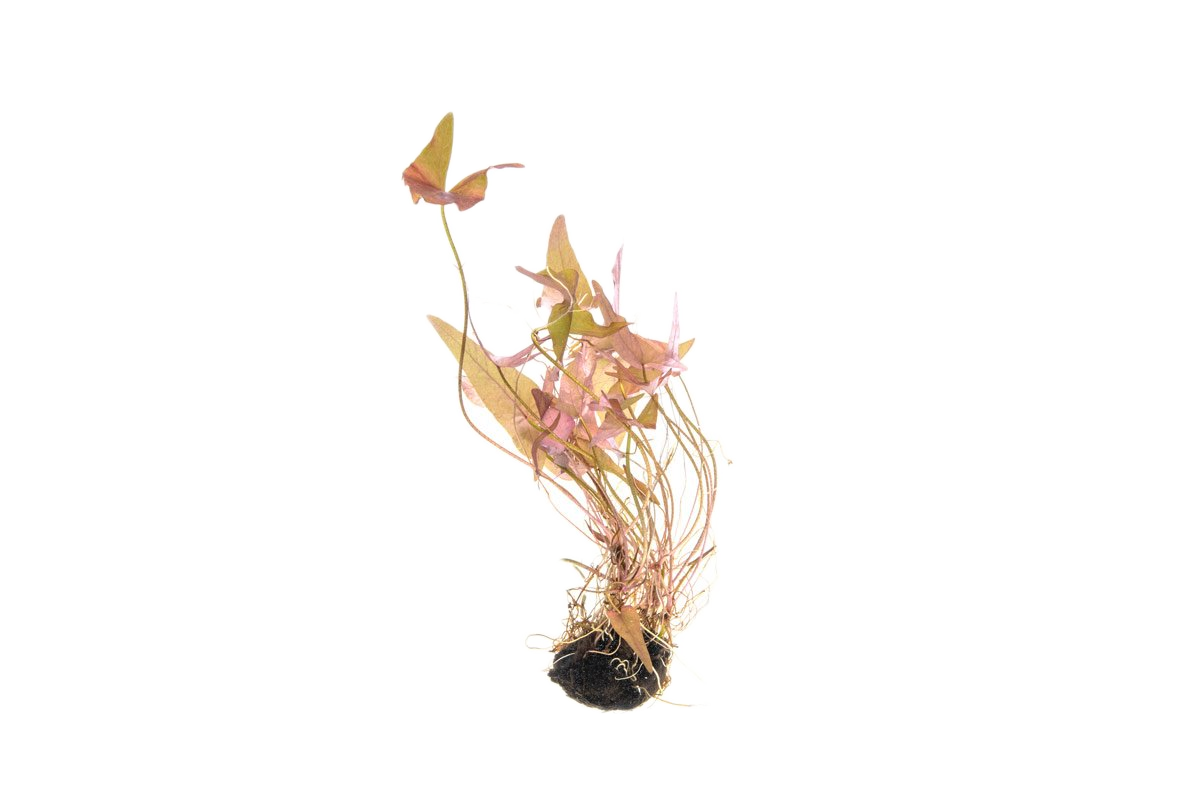
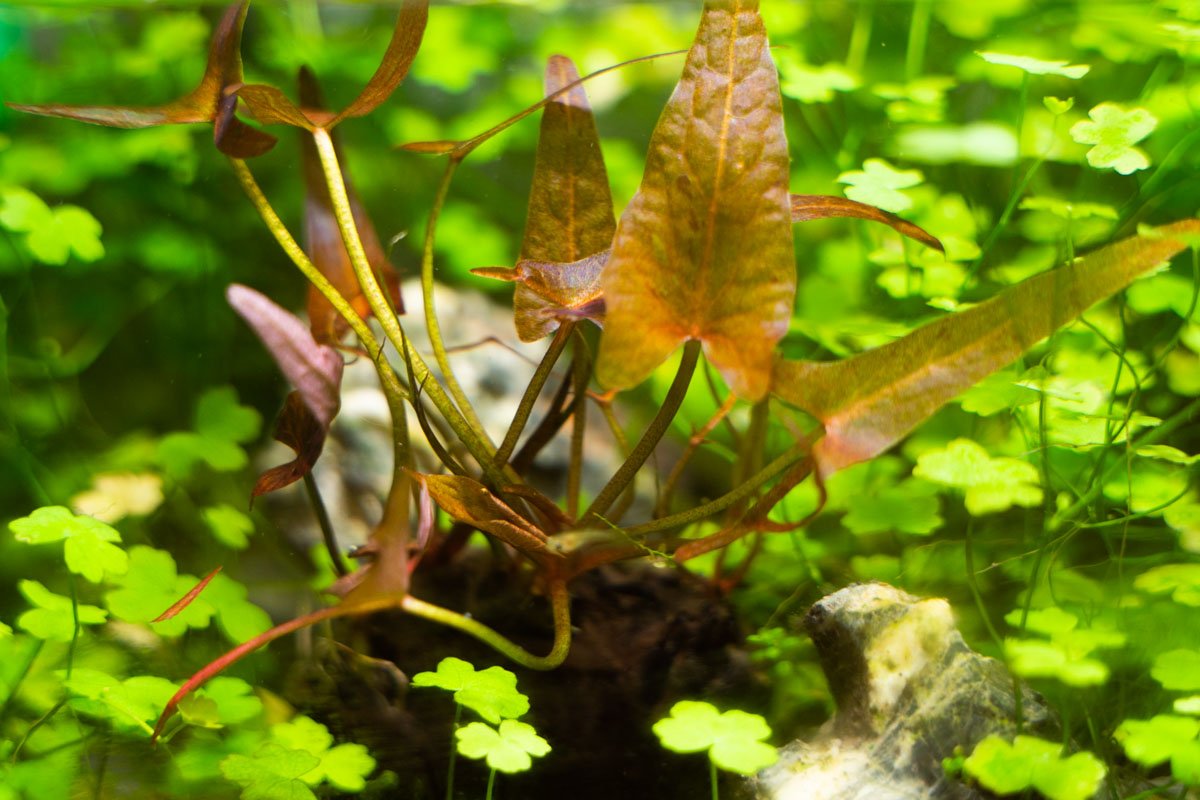
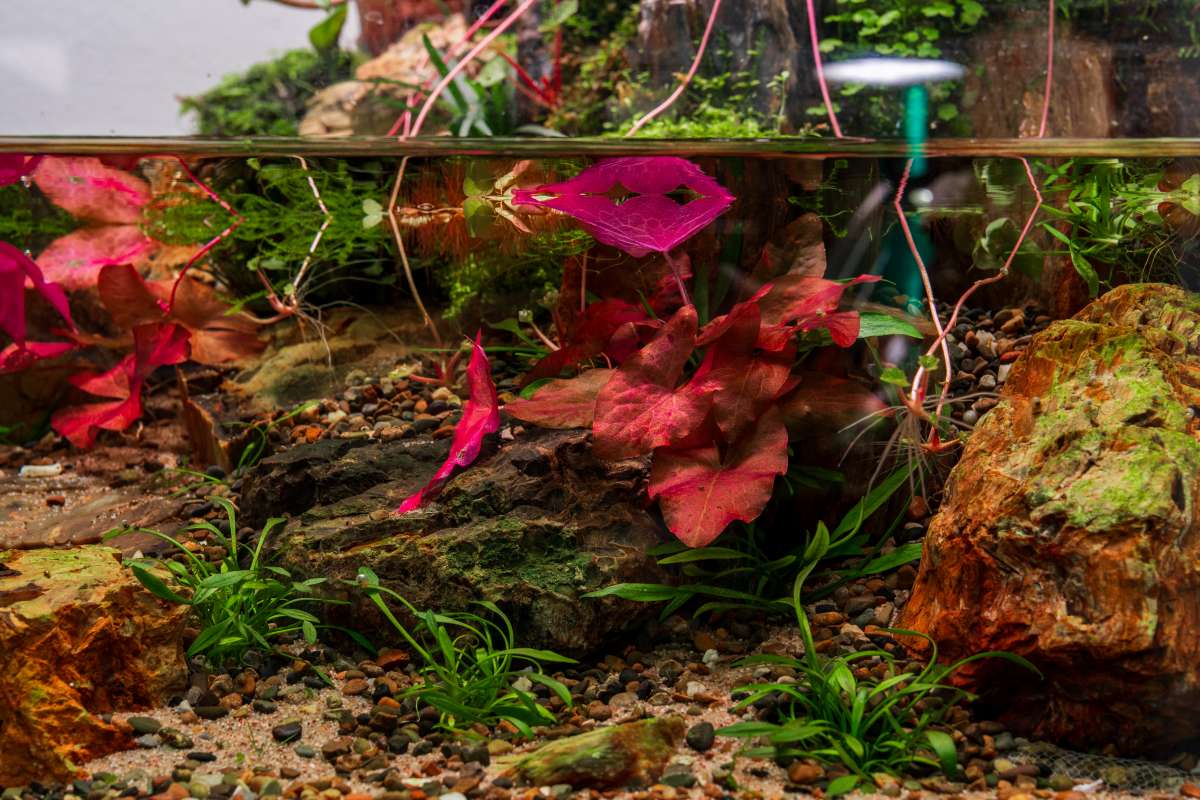
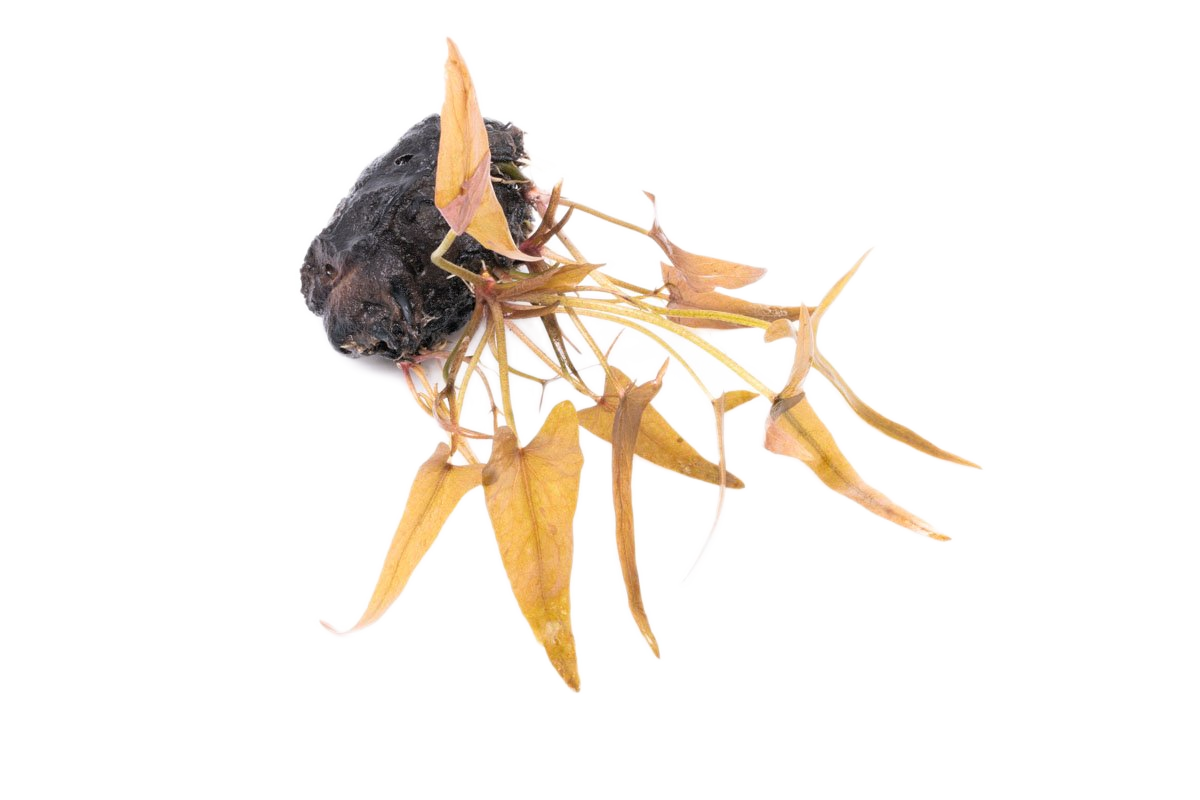
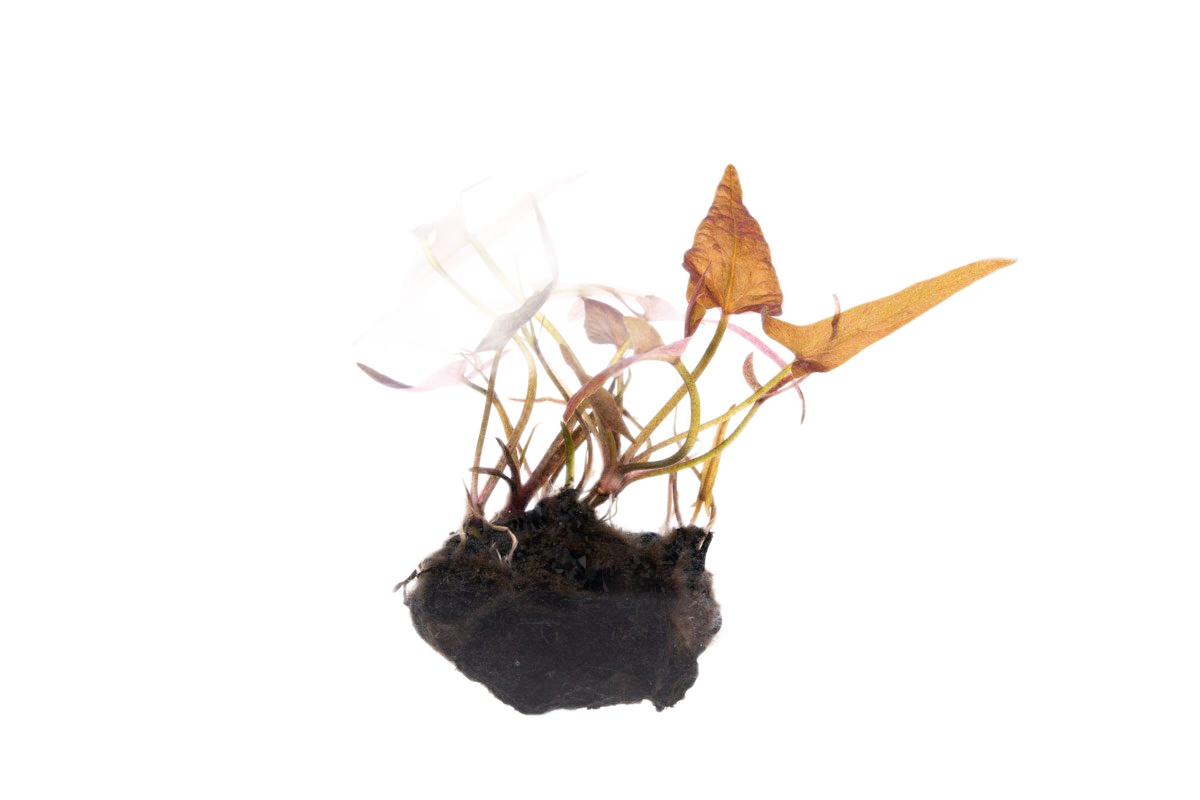
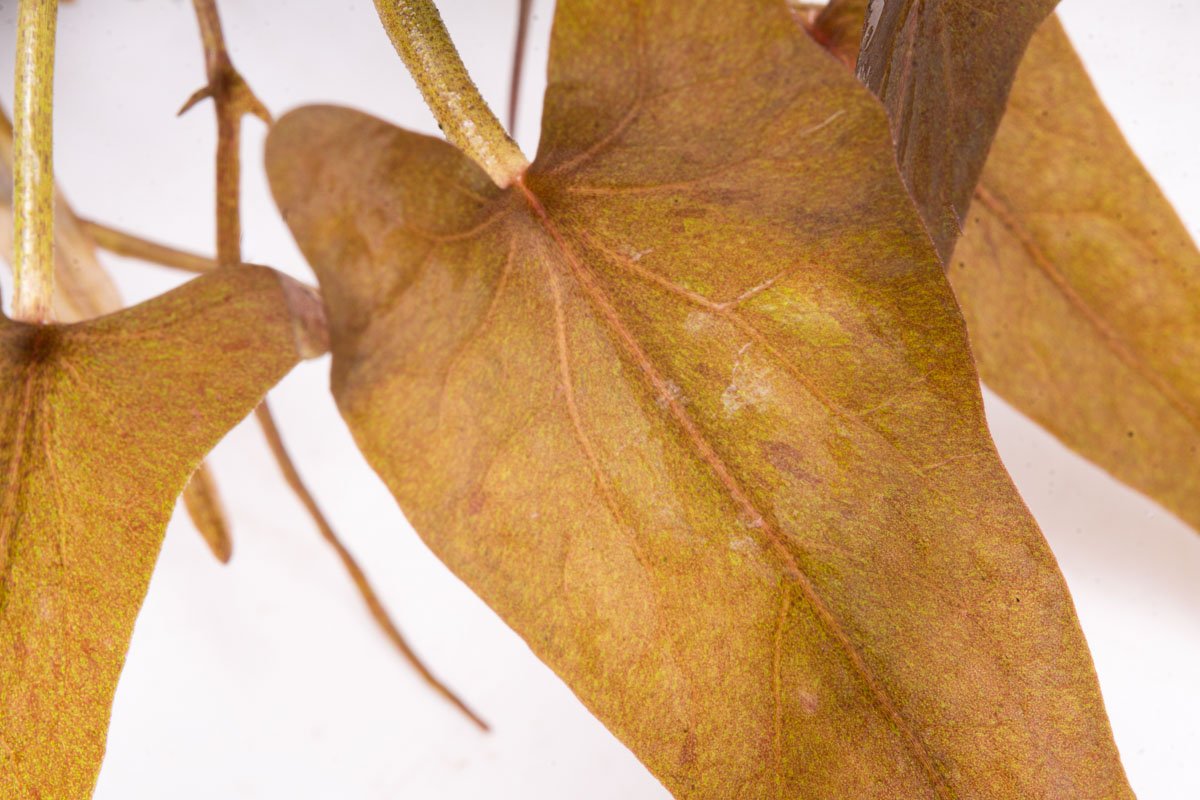
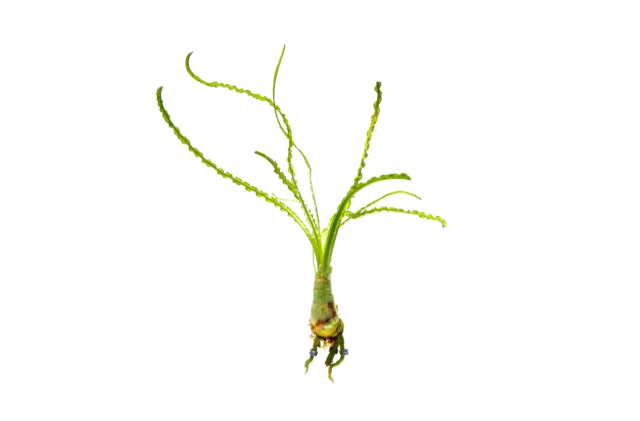
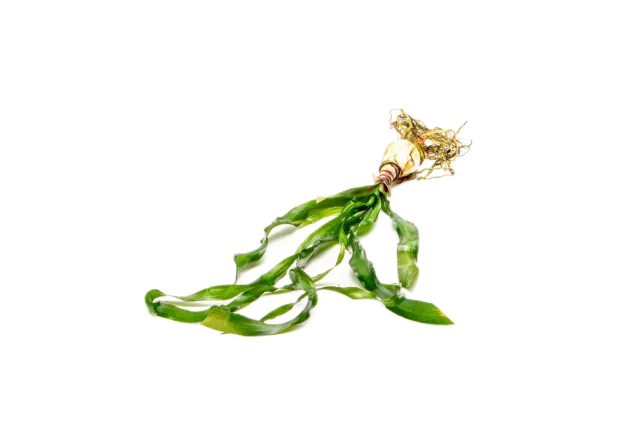
Nymphaea stellata (Dwarf Water Lily) is a well-known Indian plant that grows red arrowhead-shaped leaves on thin long stems from bulbs, adding color contrast among green plants. Easy and slow-growing, it thrives even in low light low-tech tanks, does not need CO2, and propagates from cut side shoots.
Quick facts
Identity
- Also known as
- Star Lotus; Blue Star Water Lily; Dwarf Lily; Nil Manel
- Synonyms
- Nymphaea nouchali var. stellata
- Environment
- Freshwater
- Native to
- India, Sri Lanka, Southeast Asia
- Habitat
- Warm, still to slow-moving ponds, lakes, and ditches across tropical Asia
- Sourcing
- Captive-bred
- Conservation
- Not Evaluated
Care
- Care level
- Easy
- Growth form
- Bulb
- Max height
- 4 – 16 in (10 – 41 cm)
- Spread
- 10 in (25 cm)
- Growth rate
- Moderate
- Placement
- Midground, Background
Water
- Temperature
- 72 – 82 °F (22 – 28 °C)
- pH
- 6.0 – 7.5
- GH
- 3 – 15 dGH
- PAR
- 20 – 50 PAR
- Flow
- Low
- Light
- Medium
- CO₂
- Beneficial
Planting
- Substrate
- Nutrient-rich preferred
- Feeds from
- Roots
- Fertilizer needs
- Medium
- Colors
- Red, Green, Pink, Brown
Feeding & breeding
- Propagation
- Rhizome division, Plantlets
Something wrong or missing? Submit a correction
Care guide
Overview
Nymphaea stellata is a bulb-forming lily grown for its arrowhead leaves, which deepen toward red or bronze as light intensity rises. It roots readily in nutrient-rich substrate and sends stalks toward the surface unless pad growth is trimmed back regularly. A hardy midground to background choice, it suits low-tech and CO2-injected setups alike.
Care
A hardy bulb plant that adapts to a wide range of lighting and water conditions, making it suitable for both beginner low-tech setups and more demanding planted tanks. It grows a rosette of arrow-shaped leaves directly from the bulb, with color intensifying toward red or bronze under stronger light. Left untrimmed it will send stalks to the surface and form floating lily pads, which shade out the submersed growth if not managed, so periodic removal of pad stalks keeps the plant compact and bushy underwater.
Planting & trimming
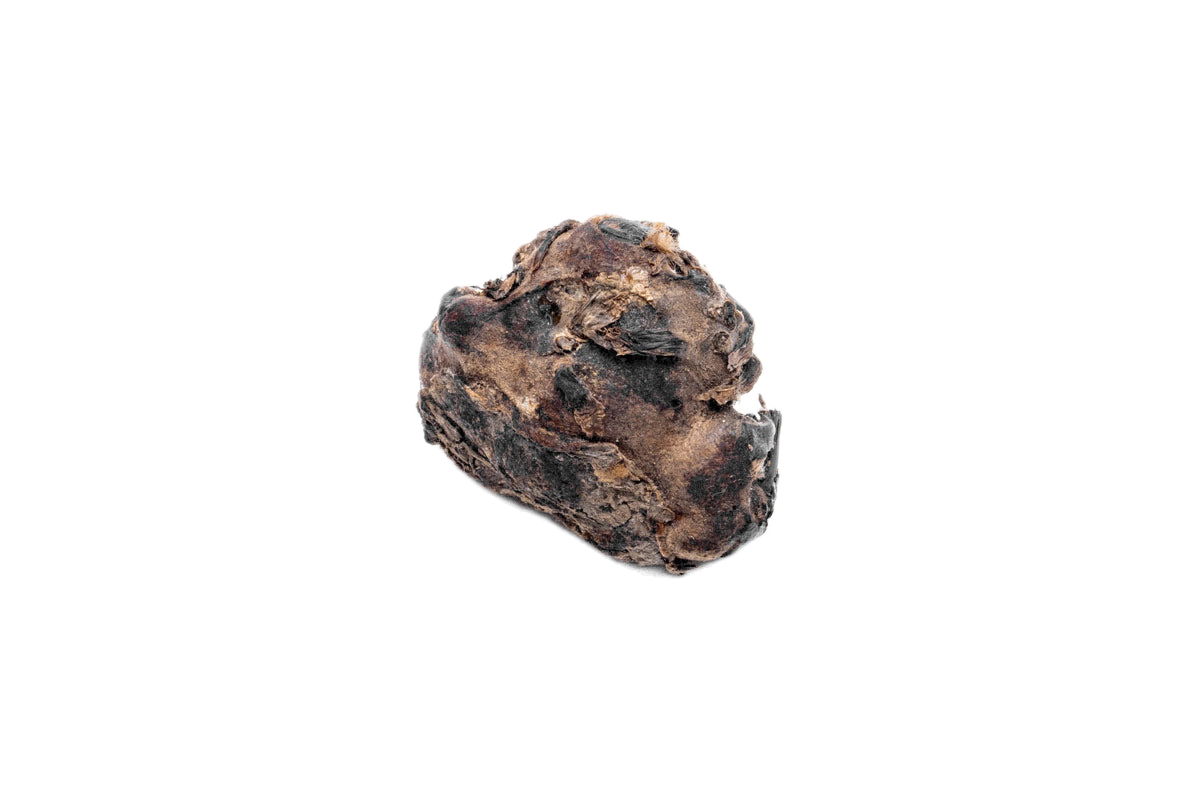
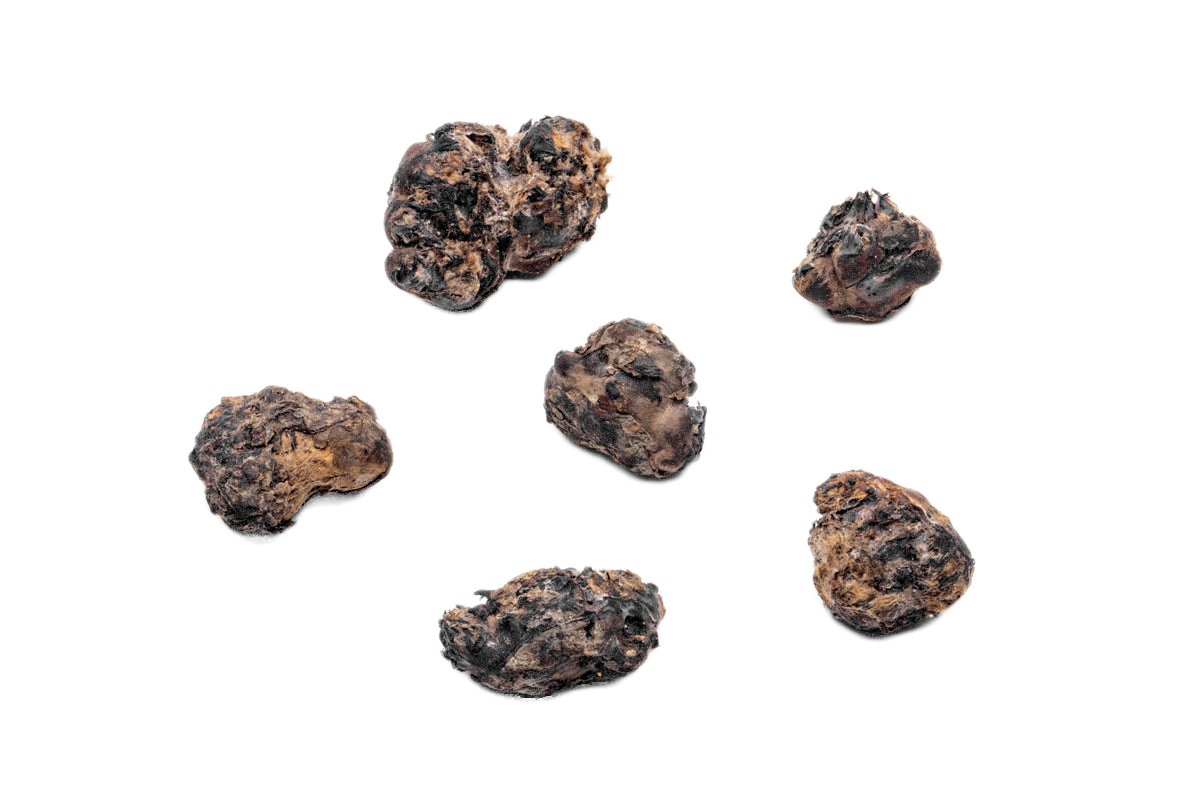
Rest the bulb on top of the substrate with the roots facing down and only the lower portion lightly pressed in or covered, leaving the crown and any emerging shoots exposed to avoid rot. It may float briefly after planting but will settle once waterlogged and rooted. Trim floating pad stalks at the base every one to two weeks to keep the plant in its compact submersed form rather than letting it grow into a surface plant.
Fertilizing
Most nutrient uptake happens through the roots once the bulb's initial energy reserve is used up after six to eight weeks, so root tabs pushed near the bulb are more effective than relying on water column dosing alone. A nutrient-rich substrate supports faster establishment and fuller growth. Iron deficiency or pale new leaves indicate a need for chelated iron supplementation, and liquid fertilizer can supplement root feeding in leaner substrates.
Propagation
Established plants produce small plantlets or side shoots from the bulb that can be separated once they have their own roots and replanted elsewhere. Older bulbs can also be divided if multiple growth points have formed. Flowering and seed production are rare in aquarium cultivation and not typically used for propagation.
Problems
New bulbs sometimes develop a fuzzy white or gray biofilm layer shortly after planting, which is harmless and often grazed off by shrimp or snails as long as the bulb itself stays firm. A fully buried bulb will rot within one to two weeks and take new shoots down with it, so correct planting depth is the main preventable failure point. The plant can also go dormant and drop its leaves in cooler water or after transport stress, typically regrowing within a few weeks once conditions stabilize.
Sources
More Bulb plants
Something wrong or missing? Submit a correction
In the community
Popular tanks using Nymphaea Stellata
No public tanks are showcasing Nymphaea Stellata yet.