
Aquatic Plant
Aponogeton Longiplumulosus
Aponogeton longiplumulosusAponogetonaceaeBulb plants
Price: $14.99 USD
Add from My tanks →1 photos
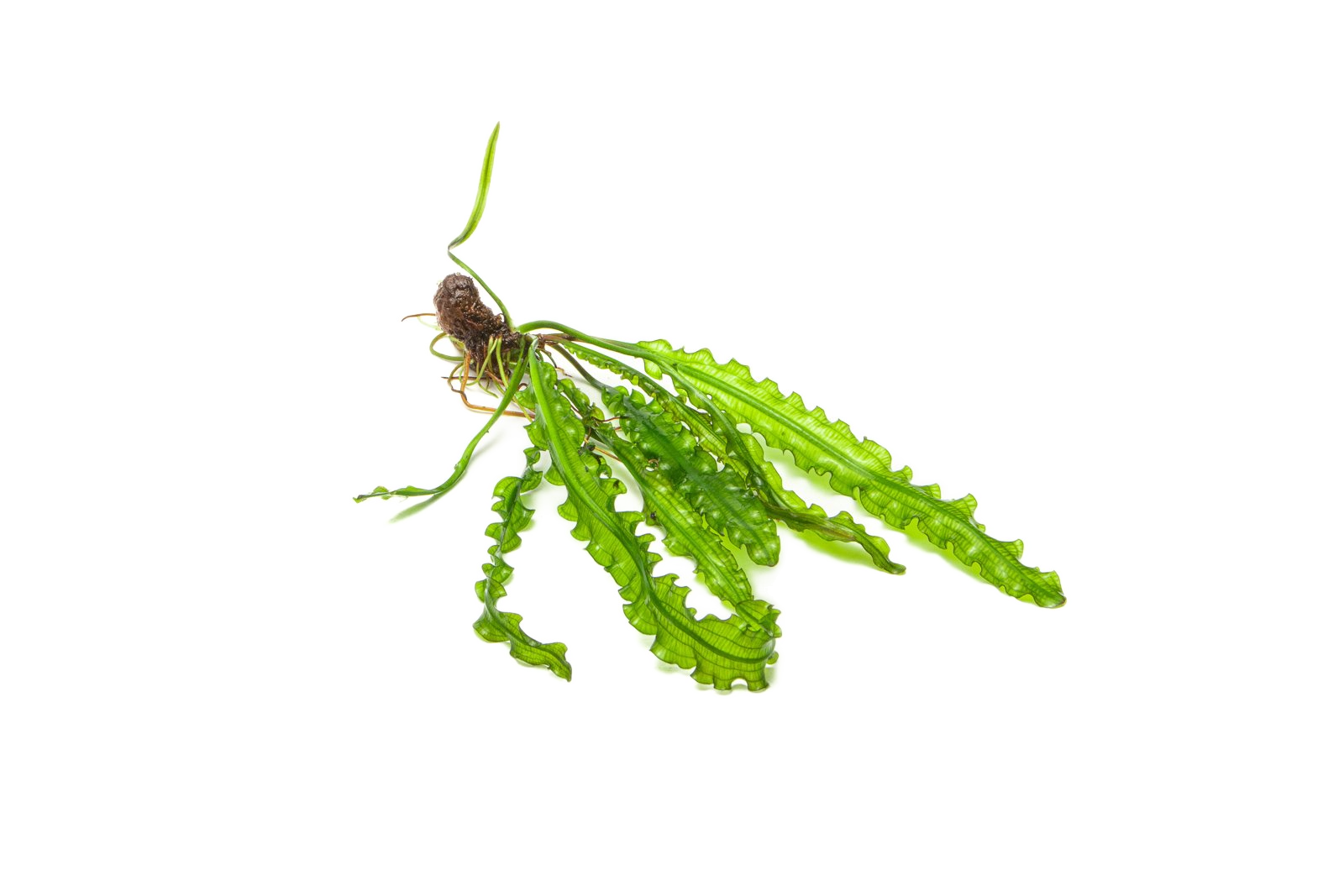
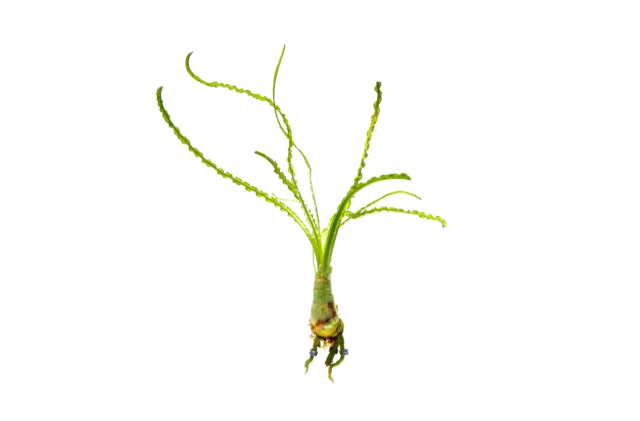
Aponogeton longiplumulosus is a tall, hardy bulb plant from Madagascar with long, thin, ruffled-edged leaves resembling a cross between Aponogeton and Cryptocoryne balansae. It makes a wonderful background addition for larger aquariums, growing up to 20 inches, and does well in a wide range of water parameters.
Quick facts
Identity
- Also known as
- Ruffled Aponogeton
- Environment
- Freshwater
- Native to
- Madagascar
- Habitat
- Slow-moving rivers and freshwater lakes, fully submerged
- Sourcing
- Aquacultured
- Conservation
- Not Evaluated
Care
- Care level
- Moderate
- Growth form
- Bulb
- Max height
- 8 – 24 in (20 – 61 cm)
- Spread
- 14 in (36 cm)
- Growth rate
- Moderate
- Placement
- Background
Water
- Temperature
- 68 – 79 °F (20 – 26 °C)
- pH
- 5.7 – 7.5
- GH
- 2 – 12 dGH
- Flow
- Moderate
- Light
- Medium
- CO₂
- Beneficial
Planting
- Substrate
- Nutrient-rich preferred
- Feeds from
- Roots
- Fertilizer needs
- Medium
- Colors
- Green, Brown
Feeding & breeding
- Propagation
- Seeds, Splitting
Something wrong or missing? Submit a correction
Care guide
Overview
Larger background tanks with room to spare suit this bulb plant best, as its long, ruffled, strap-shaped leaves can stretch to 20 inches and reach the surface. Growth is moderate and undemanding across a wide chemistry range, though it cycles through brief dormant rest periods where leaves die back before resprouting from the same bulb. Keep the crown exposed above the substrate to avoid rot.
Care
This bulb plant produces long, strap-shaped leaves with heavily ruffled edges that can reach the water surface in a tall aquarium, giving it a background presence similar to a large crypt balansae. It tolerates a wide range of water chemistry and does not demand strong light, though moderate to bright illumination brings out fuller growth. Expect periodic dormancy where the plant drops its leaves for a few weeks before resprouting from the same bulb, which can usually stay planted rather than being lifted.
Planting & trimming
Rest the bulb on top of the substrate or bury it only about halfway, always keeping the crown or sprout tip exposed above the soil line to prevent rotting. Once roots establish, the plant anchors itself and can be given a rich substrate or root tabs underneath the bulb to encourage stronger growth. Because of its eventual size, it needs generous spacing in the background of larger tanks.
Fertilizing
Most nutrient uptake happens through the tuber and root system rather than the water column, so a nutrient-rich substrate or a root tab pushed near the base makes a noticeable difference in growth. Additional CO2 is not required but tends to speed growth and produce fuller leaves. Yellowing leaves or stalled growth usually point to a nutrient shortfall rather than disease.
Propagation
Mature specimens occasionally produce offset bulbs that can be separated and replanted once they have developed their own roots. Flowering plants can also set seed, though germination has been reported as difficult in aquarium conditions, making bulb division the more reliable method for hobbyists.
Problems
Algae on the older leaves is the most common complaint and generally traces back to excess light combined with insufficient nutrients or weak flow, rather than a fault with the plant itself. Some leaf loss after planting or transplanting is normal while the bulb settles in, and dead or melting leaves should be trimmed away promptly to avoid fouling the water. Burying the bulb completely instead of leaving the crown exposed is a common cause of rot.
Sources
More Bulb plants
Something wrong or missing? Submit a correction
In the community
Popular tanks using Aponogeton Longiplumulosus
No public tanks are showcasing Aponogeton Longiplumulosus yet.