
Terrarium Plant
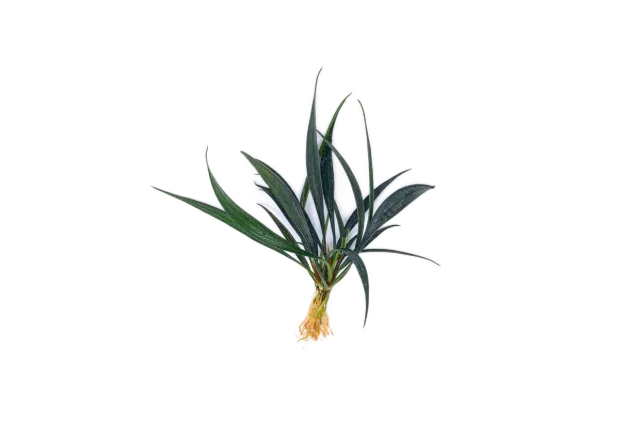
Homalomena Samurai
Homalomena sp.AraceaeAroids
Price: $49.99 USD
Add from My tanks →1 photos
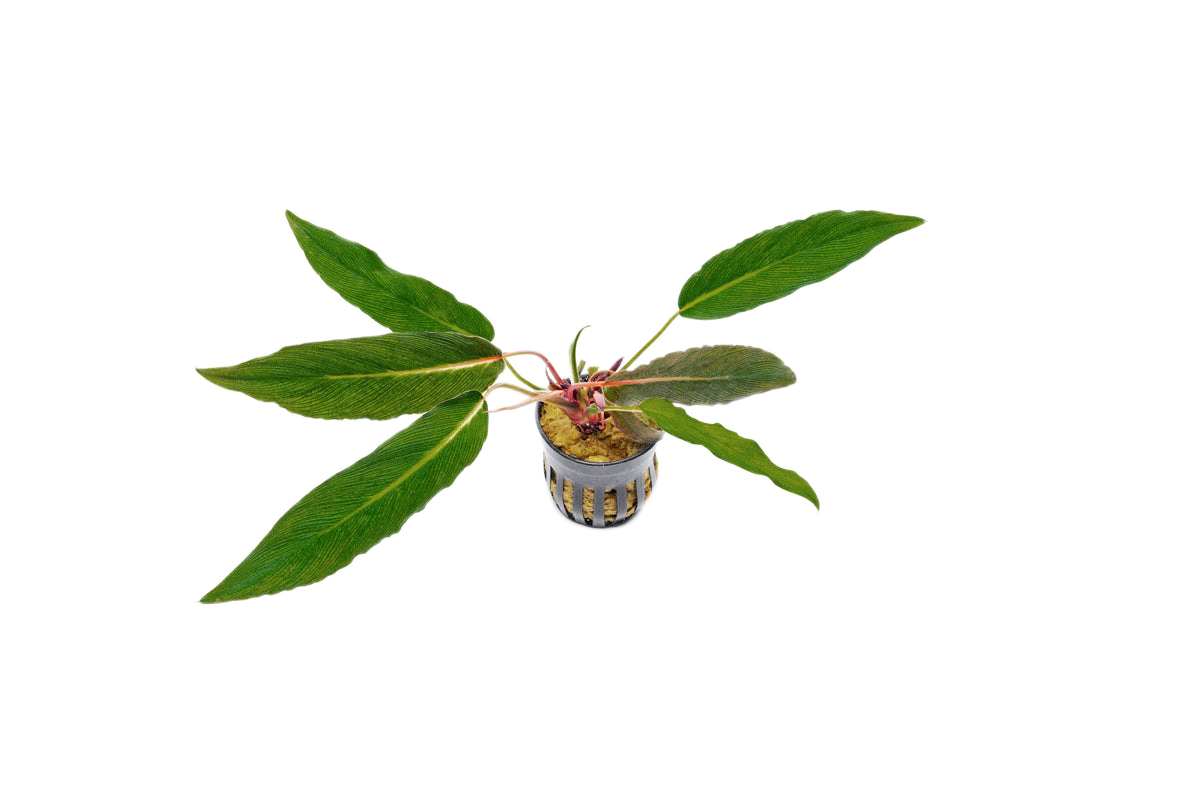
Homalomena 'Samurai' is a rare tropical plant from the Nabire region of Papua, Indonesia, with unique foliage suited to terrarium settings. Relatively low-maintenance, it thrives in well-draining soil with a humid environment that replicates its tropical origins.
Quick facts
Identity
- Also known as
- Nabire Homalomena
- Synonyms
- Aridarum sp. (trade misapplication)
- Environment
- Terrestrial
- Native to
- Indonesia (Borneo)
- Habitat
- Shaded, fast-flowing rainforest streambanks and rocky margins in Borneo, growing as a rheophyte/epiphyte on rock and wood
- Sourcing
- Both
- Conservation
- Not Evaluated
Care
- Care level
- Moderate
- Growth form
- Rhizome
- Max height
- 2 – 5 in (5.1 – 13 cm)
- Spread
- 6 in (15 cm)
- Growth rate
- Slow
- Placement
- Midground, Background
Water
- Temperature
- 72 – 82 °F (22 – 28 °C)
Planting
- Substrate
- Not needed
- Feeds from
- Both
- Fertilizer needs
- Low
- Colors
- Green
Feeding & breeding
- Propagation
- Rhizome division
Something wrong or missing? Submit a correction
Care guide
Overview
Reaching a modest few inches, this Papuan form stays compact and low-growing, forming a small rosette of foliage suited to terrarium display rather than open aquascapes. It is kept terrestrially in humid, well-draining substrate rather than mounted on hardscape. Growth is slow, with care similar to other Homalomena grown emersed.
Care
This Bornean aroid grows attached to hardscape rather than buried in substrate, much like Anubias or Bucephalandra, and tolerates both submerged and emersed conditions. It prefers low to moderate light and steady water parameters, since sudden shifts in chemistry or lighting can trigger leaf melt in newly acquired specimens. Growth is slow to moderate, and the plant can sit dormant for weeks before pushing a new leaf, so patience is needed rather than frequent adjustment.
Planting & trimming
Attach the rhizome to driftwood or rock using thread, super glue gel, or mesh, keeping the rhizome itself exposed rather than buried. Rinse away any rockwool or tissue-culture gel from the roots before mounting. Trim only dead or melted leaves back to the rhizome, leaving healthy foliage intact.
Fertilizing
Root tabs are not strictly necessary since the rhizome sits on hardscape rather than in substrate, but liquid fertilizer dosed into the water column supports steadier growth. Iron and micronutrient supplementation can help maintain leaf color and prevent pale new growth. CO2 is not required but noticeably speeds up development and leaf size.
Propagation
Propagate by dividing the rhizome into sections once it has produced several leaves and a healthy root mass, ensuring each division retains at least one growth point and some roots. New plantlets can also be separated when side shoots form along the rhizome. Divided pieces should be reattached to hardscape and left undisturbed to recover.
Problems
Burying the rhizome is the most common mistake and leads to rot and melt, so it must stay exposed above the substrate line when attached to wood or rock. Excess light combined with weak flow encourages algae to colonize the broad leaf surfaces, dulling their appearance over time. New imports often shed a leaf or two after transplant shock before settling in and resuming growth.
Sources
Varieties in the catalog
More Aroids
Something wrong or missing? Submit a correction
In the community
Popular tanks using Homalomena Samurai
No public tanks are showcasing Homalomena Samurai yet.