
Terrarium Plant
Philodendron Pink Princess
Philodendron erubescens 'Pink Princess'AraceaeAroids
Price: $149.99 USD
Add from My tanks →1 photos
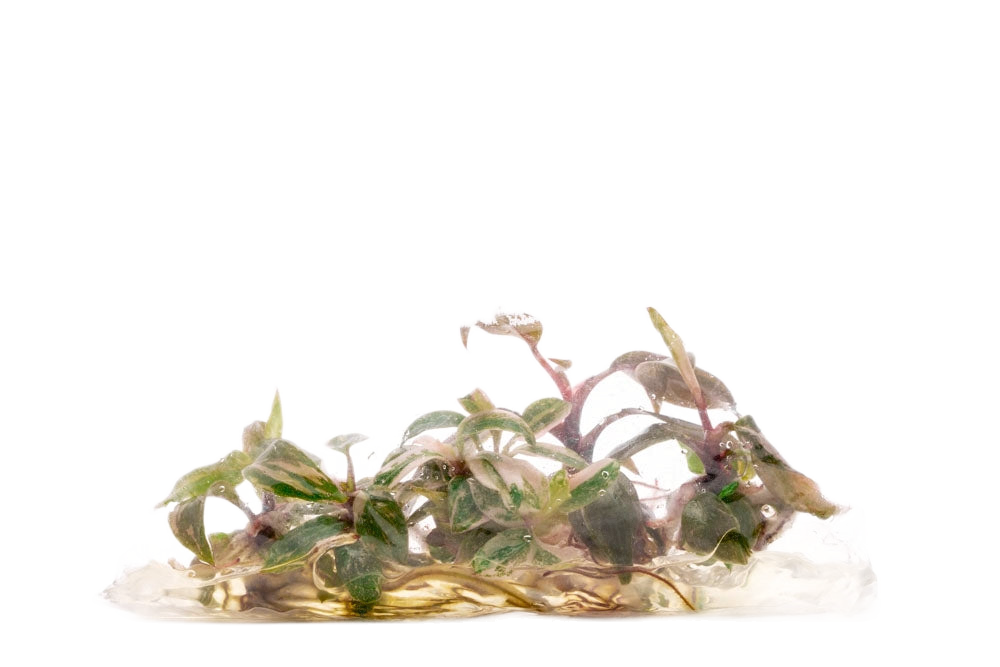
Philodendron Pink Princess is a rare variegated houseplant prized for its pink-marbled foliage, while remaining fairly hardy and undemanding. It does best in a well-draining aroid mix that retains some moisture, with bright-indirect light, warmer temperatures, and increased humidity; propagation is by cuttings with a viable node.
Quick facts
Handling caution: Sap contains calcium oxalate crystals; irritating to skin and toxic if chewed or ingested
Identity
- Also known as
- Blushing Philodendron; PPP
- Synonyms
- Philodendron 'Pink Princess'
- Environment
- Terrestrial
- Native to
- Captive-bred variety
- Habitat
- Cultivar of a species native to tropical rainforests of Colombia and northern South America, where the parent species grows as a hemiepiphytic climber ascending tree trunks toward canopy light
- Sourcing
- Captive-bred
- Conservation
- Not Evaluated
Care
- Care level
- Moderate
- Growth form
- Vine
- Max height
- 6 – 72 in (15 – 183 cm)
- Spread
- 36 in (91 cm)
- Growth rate
- Moderate
- Placement
- Background
Water
- Temperature
- 65 – 80 °F (18 – 27 °C)
- Humidity
- 60 – 80%
Planting
- Substrate
- Not needed
- Feeds from
- Roots
- Fertilizer needs
- Medium
- Colors
- Green, Pink
Feeding & breeding
- Propagation
- Cuttings
Something wrong or missing? Submit a correction
Care guide
Overview
Climbs steadily up a moss pole or trellis, gripping with aerial roots as new leaves emerge splashed with pink over dark green. Variegation is unstable and shifts with light levels, so growers watch for reverted all-green stems and prune them back. A chunky, fast-draining aroid mix and bright indirect light keep it colorful and rot-free.
Care
Pink Princess is a climbing aroid that does best with a moss pole or trellis to grip with its aerial roots, since letting it trail tends to produce smaller, less colorful leaves. Bright indirect light for much of the day is the single biggest factor in maintaining the pink variegation, as low light pushes new growth back toward solid green and harsh direct sun scorches the chlorophyll-free pink patches. Warm room temperatures, elevated humidity, and an airy, fast-draining aroid mix round out its needs, and it tolerates being slightly potbound.
Planting & trimming
Pot in a chunky, well-aerated aroid mix such as orchid bark, perlite or pumice, coco chips, and a portion of sphagnum moss, avoiding dense peat-only soils that stay wet too long. Provide a moss pole or trellis early so the climbing stems can attach with aerial roots as they grow, tying loosely until roots grip the support. Prune leggy or reverted all-green stems back to a healthy pink-variegated node to encourage bushier, more colorful new growth.
Fertilizing
A balanced liquid houseplant fertilizer diluted to half strength every four to six weeks during active growth supports steady leaf production without pushing overly soft, weak growth. Slow-release pellets or root tabs worked into the potting mix at repotting time are a reasonable alternative to frequent liquid feeding. Pale new leaves or stalled growth despite good light usually point to a nitrogen or iron shortfall and warrant a feeding adjustment rather than more light.
Propagation
Propagate by stem cuttings that include at least one node and, ideally, an aerial root, rooting them in water, sphagnum moss, or directly in a light aroid mix. Because the pink variegation does not breed true from seed, cuttings from a stable mother plant are the only reliable way to preserve the pink pattern. Select cutting material from stems that show a healthy balance of green and pink to avoid propagating an all-green revert or an unstable all-pink stem that struggles to photosynthesize.
Problems
The variegation itself is genetically unstable, so leaves can revert to all green or occasionally push out all pink, and once a stem reverts it is usually best to prune it back to a stable node. Overwatering in a dense or peat-heavy mix is the most common killer, leading to root rot and mushy stems, so a chunky, well-draining substrate and pots with drainage holes are essential. Watch for spider mites and thrips in dry indoor air, and for bacterial leaf spot if humidity is high but airflow is poor.
Sources
- Philodendron Pink Princess (Philodendron erubescens 'Pink Princess') - Care, Light & Watering Guide | Plantvale
- How to care for the Philodendron Pink Princess – Jacintha | Pass that plant
- Philodendron Pink Princess Care Guide | Tropical Plant 101
- Philodendron Pink Princess Care Guide: How To Grow This Stunning Plant - My Plant Factor
More Aroids
Something wrong or missing? Submit a correction
In the community
Popular tanks using Philodendron Pink Princess
No public tanks are showcasing Philodendron Pink Princess yet.