
Marine Invertebrates
Electric Blue Hermit Crab
Calcinus elegansDiogenidaeHermit crabs
Price: $4.23 USD
Add from My tanks →1 photos
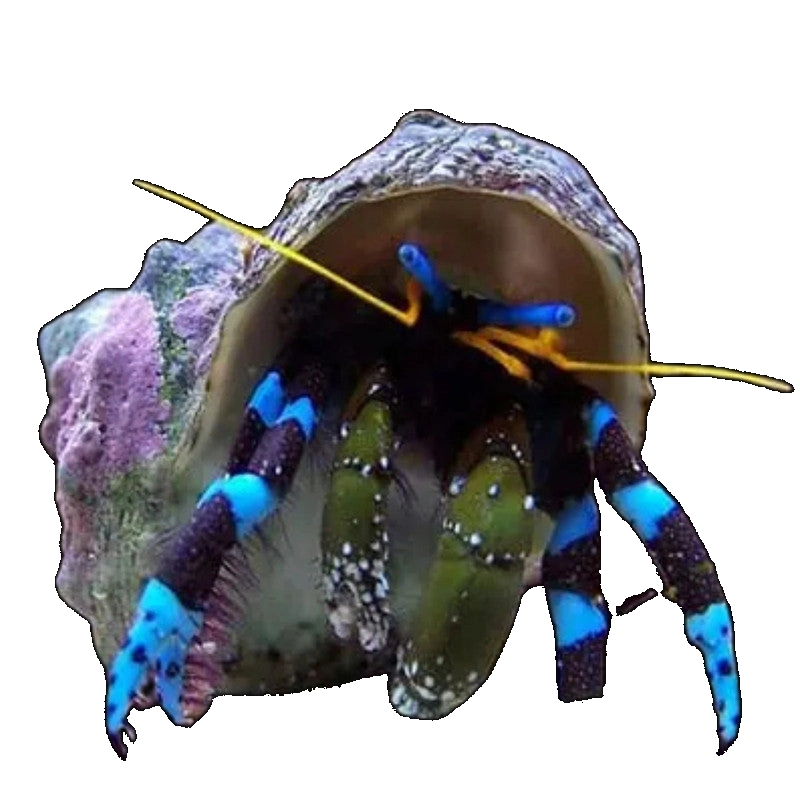
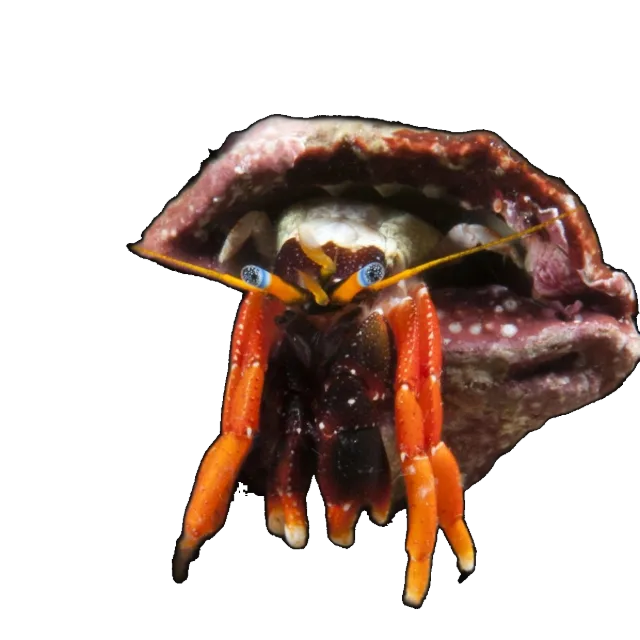
The Blue Leg Hermit Crab is one of the most popular and effective members of any reef aquarium clean-up crew, known for its striking blue legs and active behavior; it plays an important role in maintaining a clean and balanced marine environment. Blue Leg Hermit Crabs are excellent scavengers that feed on algae, uneaten food, and detritus, helping reduce waste buildup and prevent nuisance algae growth; they are reef-safe and suitable for most marine aquariums, including nano and large reef systems; provide at least a 10 gallon tank and extra empty shells to prevent aggression over shells; they are peaceful but may fight for shells.
Quick facts
Identity
- Also known as
- Blue Leg Hermit Crab; Marshall Island Hermit Crab; Electric Leg Hermit Crab; Halloween Hermit Crab
- Environment
- Saltwater
- Native to
- Indo-Pacific, Marshall Islands, Hawaii, Indonesia, Fiji, Australia
- Habitat
- Shallow reef flats, intertidal zones, and rocky tidepools with rubble and macroalgae in the Central and Western Pacific
- Sourcing
- Wild-caught
- Conservation
- Not Evaluated
Care
- Care level
- Easy
- Temperament
- Semi-Aggressive
- Adult size
- 1 – 2 in (2.5 – 5.1 cm)
- Lifespan
- 2 – 5 yrs
- Min tank
- 20 gal (76 L)
- Growth rate
- Slow
- Placement
- Bottom
Water
- Temperature
- 75 – 82 °F (24 – 28 °C)
- pH
- 8.1 – 8.4
- dKH
- 8 – 12 dKH
- Salinity
- 1.023 – 1.026 SG
- Flow
- Moderate
Behavior & compatibility
- Social
- Group
- Aggression to own kind
- Moderate
- Active
- Daytime
- Reef safe
- With caution
- Invert safe
- With caution
- Shrimp safe
- With caution
- Clean-up role
- Algae, Detritus, Leftover food, Sand sifting
- Population boom risk
- Low
Feeding & breeding
- Diet
- Omnivore
- Foods
- Algae, Frozen, Vegetables
- Breeding type
- Broadcast spawner
- Breeding difficulty
- Not bred in captivity
- Sexing
- No external distinguishing characteristics between males and females
- Target feeding
- Beneficial
Something wrong or missing? Submit a correction
Care guide
Overview
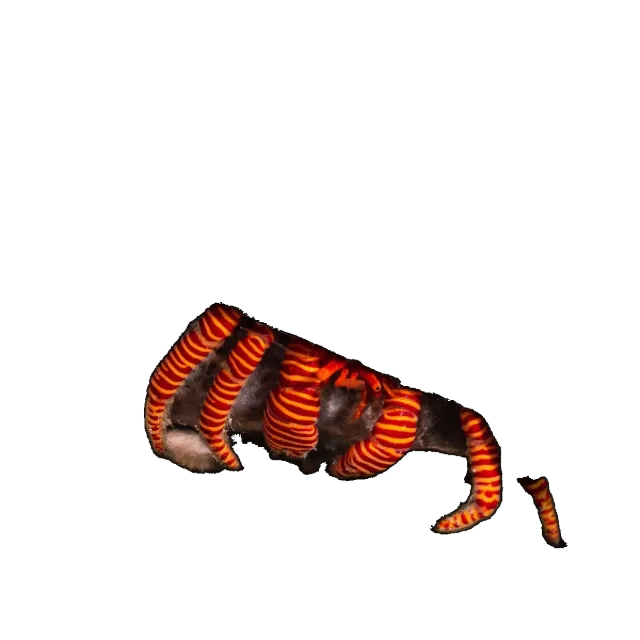
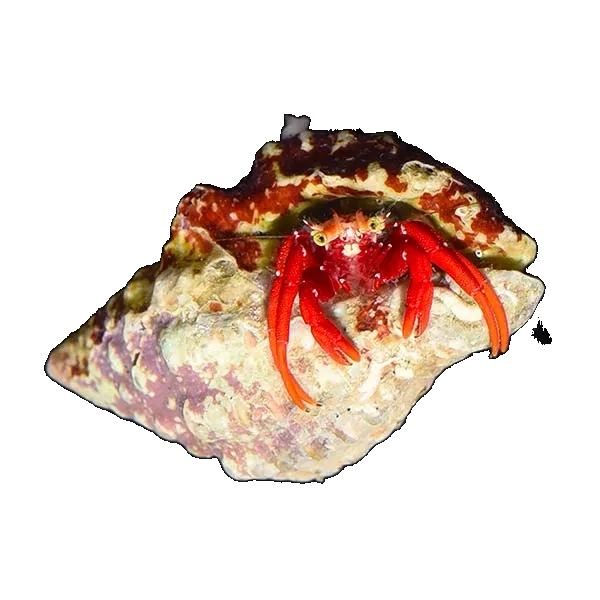
Picks continuously across live rock and sand, scraping algae film and detritus while dragging its shell in search of the next meal. Deep blue legs with orange banding and a dark body mark this scavenger, which stays active by day and appreciates a rubble-strewn reef with room to forage. Keep multiple spare shells on hand to curb shell disputes.
Care
This hermit crab does well in a mature reef tank with plenty of porous live rock and open sand for foraging. It is an active grazer that needs a steady supply of algae or supplemental feeding, since overly clean tanks can leave it undernourished. Molting is a normal part of growth, and a crab that looks inactive or hides for a few days beforehand should be left undisturbed. Copper-based medications and unstable salinity should be avoided, as both are poorly tolerated by this species.
Feeding
In the wild and in aquariums this species picks at hair algae, film algae, cyanobacteria, and detritus, making it a useful scavenger in a reef system. It will also accept sinking algae wafers, dried seaweed sheets, and leftover meaty foods such as frozen mysis or shrimp. In sparsely fed or pristine tanks with little natural algae growth, keepers should supplement feeding regularly to prevent starvation.
Tank mates
Generally peaceful toward fish and corals but can become aggressive toward snails or other hermit crabs when competing for shells. Providing a generous surplus of empty shells in various sizes greatly reduces shell-related conflict and prevents this crab from killing snails to steal their shells. Avoid keeping it with predatory fish such as large wrasses, triggers, or puffers that may prey on crustaceans.
Breeding
Breeding in home aquariums has not been documented and is considered extremely difficult given the planktonic larval stage typical of hermit crabs. Larvae require open ocean conditions to develop that cannot be replicated in a standard reef tank. This species is essentially only available through wild collection for the aquarium trade.
Health
The main health event to watch for is molting, during which the crab sheds its exoskeleton to grow and may appear withdrawn or inactive beforehand. Signs of distress such as rapid movement, limp posture, missing limbs, or an inability to right itself usually point to poor water quality, salinity swings, or exposure to toxins like copper. Quarantining new arrivals helps catch problems early and screens out unwanted hitchhikers before introduction to the display tank.
Sources
More Hermit crabs
Something wrong or missing? Submit a correction
In the community
Popular tanks using Electric Blue Hermit Crab
No public tanks are showcasing Electric Blue Hermit Crab yet.