
Marine Invertebrates
ECC Blue Leg Hermit Crabs
Paguristes sp.DiogenidaeHermit crabs
Add from My tanks →1 photos
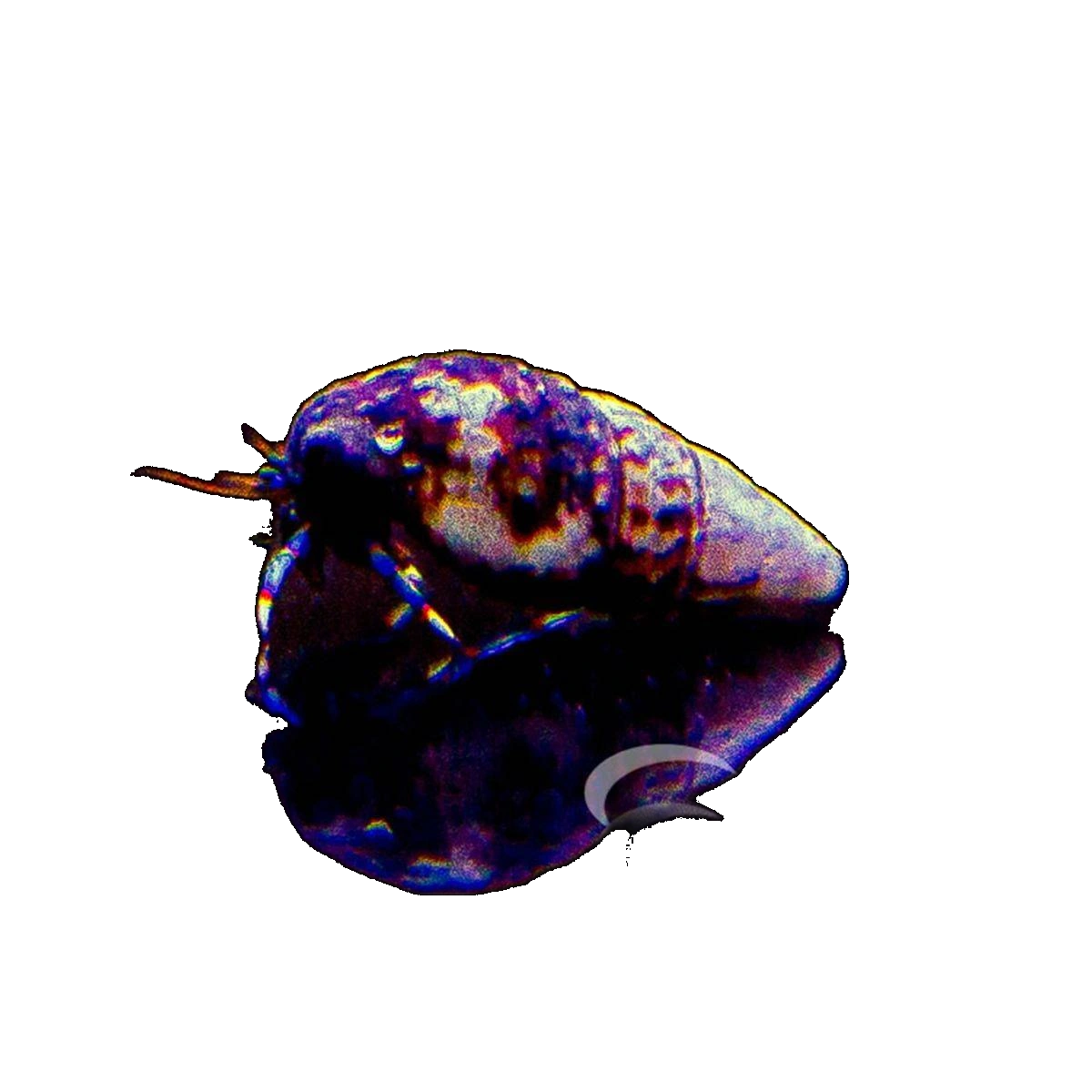
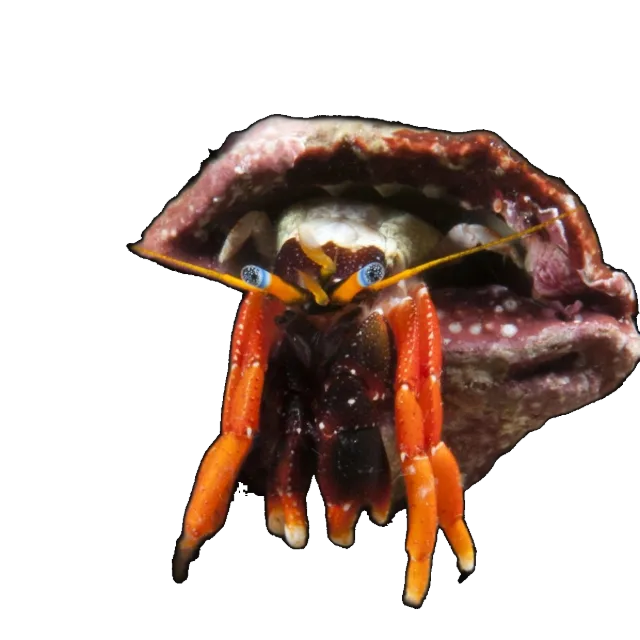
The Blue Leg Hermit Crab (Paguristes sp.) is a popular and hardworking member of many saltwater aquarium clean-up crews, recognized by its bright blue legs and active scavenging across rockwork and sand in search of algae, leftover food, and organic debris. It is mostly peaceful and reef-safe, though it may steal shells from other crabs or snails, so providing extra empty shells helps reduce aggression.
Quick facts
Identity
- Also known as
- Blue Leg Hermit Crab; Scarlet Reef Hermit Crab; Red Reef Hermit Crab
- Synonyms
- Clibanarius tricolor (often sold under this name); Paguristes cadenati
- Environment
- Saltwater
- Native to
- Caribbean Sea, Western Atlantic Ocean
- Habitat
- Coral rubble, rocky reef flats, and shallow macroalgae beds where it forages among live rock and sand for algae and detritus.
- Sourcing
- Wild-caught
- Conservation
- Not Evaluated
Care
- Care level
- Easy
- Temperament
- Peaceful
- Adult size
- 0.5 – 1.5 in (1.3 – 3.8 cm)
- Lifespan
- 2 – 3 yrs
- Min tank
- 10 gal (38 L)
- Growth rate
- Slow
- Placement
- Bottom, Rock & glass
Water
- Temperature
- 75 – 80 °F (24 – 27 °C)
- pH
- 8.1 – 8.4
- dKH
- 8 – 11 dKH
- Salinity
- 1.023 – 1.026 SG
- Flow
- Low-Moderate
Behavior & compatibility
- Social
- Group
- Aggression to own kind
- Low
- Active
- Daytime
- Reef safe
- Yes
- Invert safe
- With caution
- Shrimp safe
- With caution
- Clean-up role
- Algae, Detritus, Leftover food, Biofilm
- Population boom risk
- Low
Feeding & breeding
- Diet
- Omnivore
- Foods
- Algae, Frozen, Pellets
- Breeding type
- Broadcast spawner
- Breeding difficulty
- Not bred in captivity
- Sexing
- Sexes are not visually distinguishable without close examination of the underside; not practical for hobbyists to sex.
- Target feeding
- Beneficial
Something wrong or missing? Submit a correction
Care guide
Overview
Collected from Caribbean rubble flats and macroalgae beds, this crab arrives with vivid blue legs and orange-tinted claws that make it easy to pick out on live rock. It stays active through the day, patrolling sand and rockwork for algae and detritus, and does best in groups with a steady supply of spare shells to prevent shell-stealing squabbles.
Care
This hermit crab is one of the easiest additions to a reef cleanup crew, tolerating the normal swings of an established marine tank as long as salinity and temperature stay stable. It spends most of daylight hours picking over rockwork and sand for algae films and leftover food, and it needs a mix of live rock crevices and open sand to move through comfortably. Because it must periodically molt and outgrow its shell, keep a supply of empty gastropod shells of varying sizes on hand at all times. Avoid copper-based medications in any tank housing this species, since copper is lethal to crustaceans even at doses considered fish-safe.
Feeding
In a mature reef system it typically finds enough film algae, cyanobacteria, and detritus to sustain itself without extra feeding. In newer or algae-poor tanks, supplement with sinking pellets, frozen mysis, or algae wafers a few times a week so it does not turn to picking at coral polyps or hunting snails out of hunger. It is an opportunistic omnivore and will scavenge almost any uneaten food that reaches the substrate.
Tank mates
Generally compatible with peaceful reef fish, most corals, and other invertebrates, though it may nip at soft coral tissue or polyps if underfed. The main friction point is competition for shells: without a steady supply of spare shells it may harass or kill snails and smaller hermits to take over their housing. Keep it away from large predatory crabs, mantis shrimp, triggerfish, and other animals that view small crustaceans as food.
Breeding
Breeding in home aquariums essentially never happens, since larvae go through a planktonic zoea stage that requires open ocean conditions to survive. Wild populations release eggs that hatch into free-swimming larvae before eventually settling and adopting their first tiny shell. Aquarium specimens are collected from the wild or aquacultured in large outdoor systems rather than bred in captive reef tanks.
Health
A crab that goes still and hides for a day or two is most likely molting rather than dying, and should not be disturbed or removed unless there is a clear smell of decay. Failed or incomplete molts are usually tied to unstable alkalinity, calcium, or iodine levels, so keeping these steady helps ensure a hard new exoskeleton forms properly. Sudden salinity or temperature swings are the most common source of stress-related deaths in otherwise healthy specimens.
Sources
More Hermit crabs
Something wrong or missing? Submit a correction
In the community
Popular tanks using ECC Blue Leg Hermit Crabs
No public tanks are showcasing ECC Blue Leg Hermit Crabs yet.