
Aquatic Plant
Salvinia Natans/ Floating Fern
Salvinia natansSalviniaceaeFloating plants
Price: $6.99 USD
Add from My tanks →1 photos
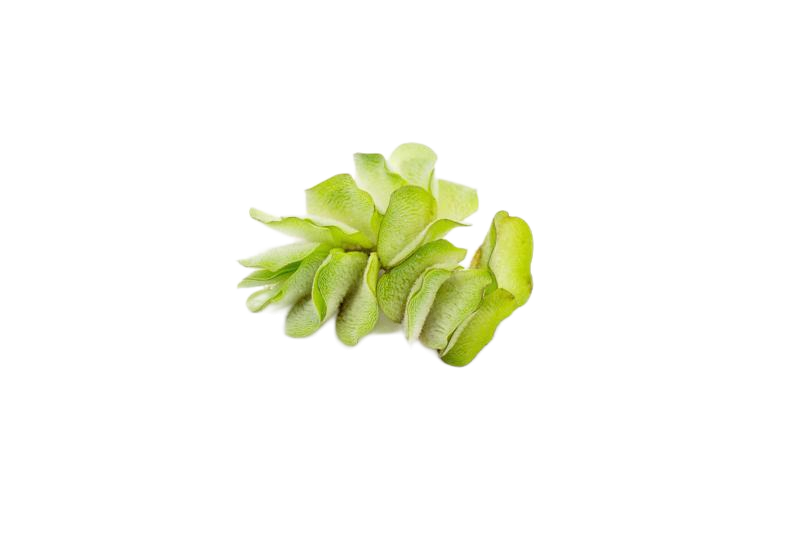
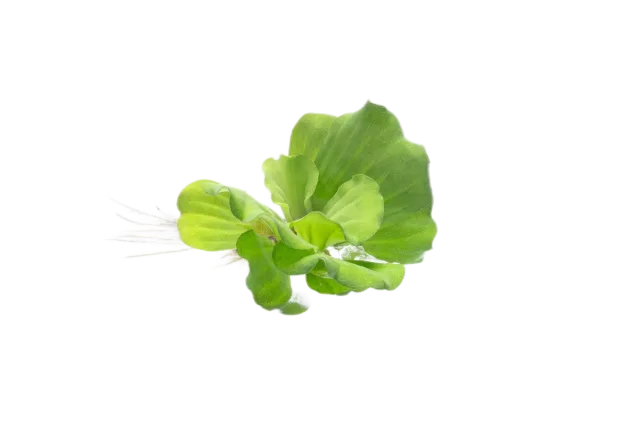
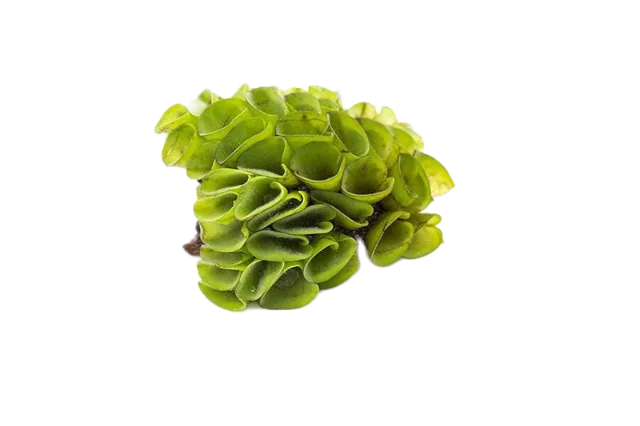
Salvinia Natans (Floating Fern, Water Butterfly Wing) is a less common floating fern with nickel-sized, air-filled leaves that keep it buoyant. Distinguished by flatter, oval, velvet-textured leaves rather than hooded folds, it rapidly forms compact mats with short roots, providing overhead shade and algae control while giving livestock a peaceful canopy.
Quick facts
Identity
- Also known as
- Water Butterfly Wing; Water Spangles; Water Fern; Floating Watermoss
- Synonyms
- Salvinia natans var. natans
- Environment
- Freshwater
- Native to
- Southern and Central Europe, North Africa, Asia
- Habitat
- Still and slow-moving fresh water such as ponds, ditches, lakes and quiet river edges with plenty of sunlight and humid air
- Sourcing
- Aquacultured
- Conservation
- Not Evaluated
Care
- Care level
- Easy
- Growth form
- Floating
- Max height
- 0.4 – 1.2 in (1 – 3 cm)
- Spread
- 2 in (5.1 cm)
- Growth rate
- Fast
- Placement
- Floating
Water
- Temperature
- 64 – 82 °F (18 – 28 °C)
- pH
- 6.0 – 8.0
- GH
- 2 – 15 dGH
- Flow
- Low
- Light
- Medium
- CO₂
- Not needed
Planting
- Substrate
- Not needed
- Feeds from
- Water column
- Fertilizer needs
- Medium
- Colors
- Green
Feeding & breeding
- Propagation
- Rhizome division
Something wrong or missing? Submit a correction
Care guide
Overview
Wild populations range across still ponds and ditches of Europe, North Africa and Asia, though hobby stock is aquacultured. Nickel-sized, velvet-textured oval leaves float in pairs on short air pockets, with a trailing modified leaf hanging below in place of true roots. It spreads quickly into a shading mat, needs calm water and bright light, and requires weekly thinning to keep the surface open.
Care
Salvinia natans is one of the easiest floaters to keep, needing nothing more than warm, still water and bright overhead light to spread across the surface. It draws all of its nutrition from the water column, so no substrate or root feeding is required, and it tolerates a wide range of pH and hardness. The main things to avoid are strong surface agitation from filter or airstone output and dripping condensation from a glass lid, both of which cause the leaves to rot. Give it calm water and enough light intensity to keep the mat compact rather than pale and stretched.
Planting & trimming
Simply scatter a small handful of plants on the water surface; no anchoring or substrate is needed since the trailing leaf acts as a root and hangs free in the water. Leave 5 cm or so of clearance between the water surface and any lighting to avoid scorching the leaves, and keep glass covers free of dripping condensation. Thin the mat weekly with a net, aiming for roughly half to two-thirds surface coverage so light still reaches submerged plants.
Fertilizing
Because the two floating leaves and the trailing modified leaf absorb nutrients directly from the water, standard liquid fertilizer dosing is usually sufficient without any root tabs. A light iron supplement helps prevent the yellowing of surface leaves that signals iron deficiency. Slow growth or pale coloration under otherwise good conditions usually points to insufficient nutrients or light rather than a specific mineral shortage.
Propagation
Salvinia natans propagates entirely by vegetative division, branching naturally at the nodes and simply being snapped apart to create new plantlets. It does not flower, reproducing sexually only via spores in its native habitat, which is not relevant to aquarium culture. Under good light and warmth a colony can double in about a week, so excess plants should be removed regularly and can be shared or discarded.
Problems
Rot along the leaf edges or a general collapse of the mat is almost always caused by condensation dripping from a lid or excessive surface turbulence rather than disease. Yellow surface leaves indicate iron deficiency, while brown, crispy edges point to low humidity or heat buildup near the light. Unchecked, the plant multiplies quickly enough to blanket the surface and shade out everything below, so regular thinning prevents both light starvation of other plants and stagnant water beneath the mat.
Sources
More Floating plants
Something wrong or missing? Submit a correction
In the community
Popular tanks using Salvinia Natans/ Floating Fern
No public tanks are showcasing Salvinia Natans/ Floating Fern yet.