
Aquatic Plant
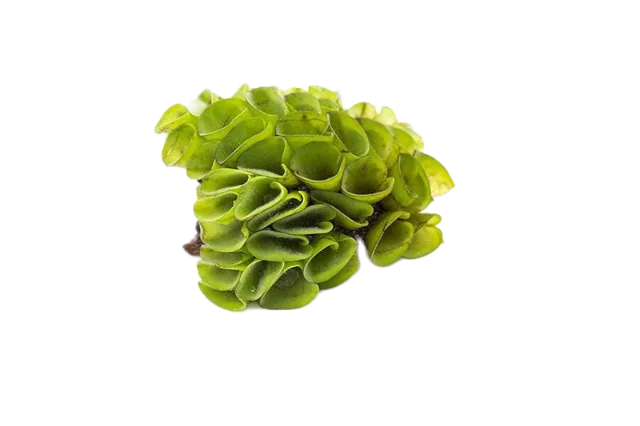
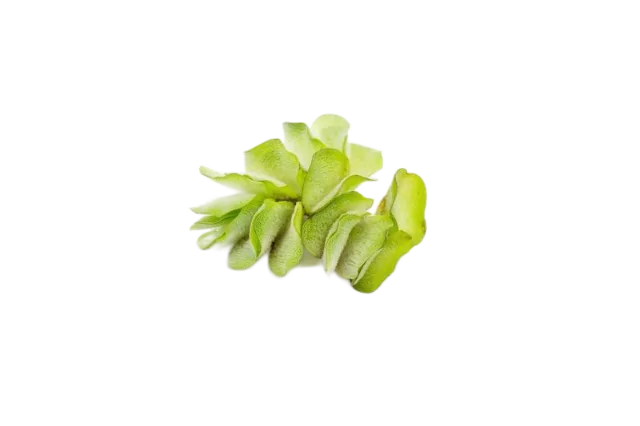
Hydrocleys Nymphoides Water Poppy
Hydrocleys nymphoidesAlismataceaeFloating plants
Price: $12.99 USD
Add from My tanks →1 photos
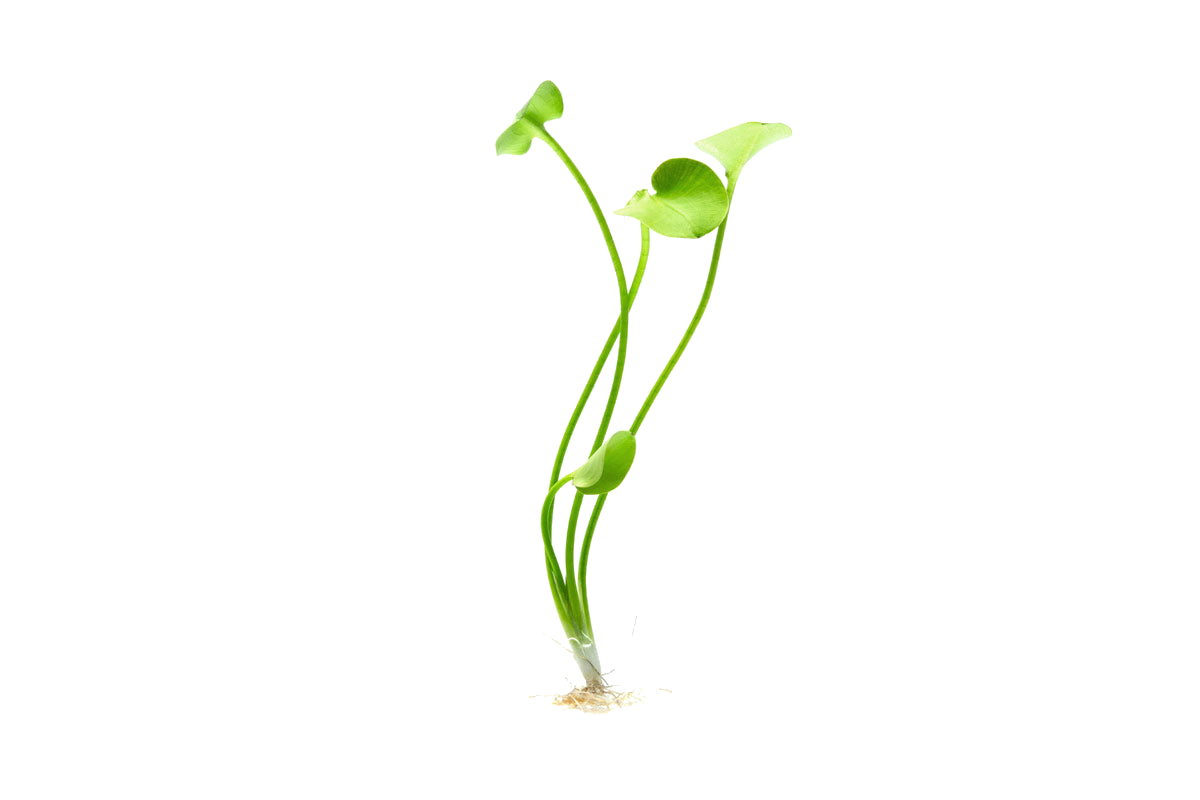
Hydrocleys nymphoides (Water Poppy) is an easy aquatic plant with glossy green floating leaves and bright yellow poppy-like flowers, suited to ponds or paludariums with an emersed section. It needs strong light, grows best planted in nutritious soil in shallow water, is not frost-hardy, and propagates from runners.
Quick facts
Identity
- Also known as
- Poppy poppy; water lily poppy
- Synonyms
- Hydrocleys nymphoides var. natans; Limnocharis nymphoides; Hydrocleys commersonii
- Environment
- Freshwater
- Native to
- Central America, South America
- Habitat
- Still and slow-moving shallow fresh water, ponds, and marshy margins, rooted in mud with foliage floating on the surface
- Sourcing
- Aquacultured
- Conservation
- Not Evaluated
Care
- Care level
- Easy
- Growth form
- Floating
- Max height
- 4 – 12 in (10 – 30 cm)
- Spread
- 39 in (99 cm)
- Growth rate
- Fast
- Placement
- Floating
Water
- Temperature
- 64 – 82 °F (18 – 28 °C)
- pH
- 6.5 – 7.5
- GH
- 3 – 15 dGH
- Flow
- Low
- Light
- High
- CO₂
- Not needed
Planting
- Substrate
- Nutrient-rich required
- Feeds from
- Roots
- Fertilizer needs
- High
- Colors
- Green, Yellow
Feeding & breeding
- Propagation
- Runners, Plantlets
Something wrong or missing? Submit a correction
Care guide
Overview
Ponds and paludariums with a shallow, emersed shelf suit this plant far better than a fully submerged tank, since it holds its heart-shaped leaves and yellow poppy-like flowers above the waterline. It roots in nutrient-rich soil under strong light and spreads fast by surface runners, so periodic trimming is needed to stop it overtaking open water.
Care
Water poppy is better suited to ponds, paludariums, or tanks with an emersed or shallow-water section than to a fully submerged aquarium, since it wants its heart-shaped leaves and flowers held above the waterline. It grows best rooted in nutrient-rich soil or loam under strong light, with the crown sitting in only a few inches of water. Given bright light and warmth it spreads quickly across the surface via trailing runners, so regular trimming keeps growth in check.
Planting & trimming
Plant the crown in a container or substrate area filled with rich aquatic soil or loam, keeping the base of the stem under about an inch of substrate with roots spread out, in water no more than six inches deep for best results (though it tolerates depths to around 12-16 inches). It is not planted like an epiphyte and does not attach to wood or rock. Trim trailing runners and excess foliage periodically to prevent it from overtaking a pond or paludariums surface.
Fertilizing
Root tabs or a nutrient-rich planting substrate benefit this plant more than liquid fertilizers, since its roots are anchored in soil rather than free-floating in the water column. Iron and micronutrient supplementation can help maintain deep green leaf color where soil is depleted. Pale or yellowing new leaves usually point to insufficient light or exhausted substrate nutrients rather than a specific single deficiency.
Propagation
Propagates readily from stolons/runners that trail across the water surface, rooting and forming new plantlets at intervals that can be separated once established. Division of these self-rooted plantlets is the standard method, since seed production is minimal and rarely used in cultivation. Because of this vegetative spread, isolated fragments can independently establish new plants, which is part of why the species is considered invasive in some regions.
Problems
New growth typically pauses for two to four weeks after planting while the emersed nursery form converts to submerged or semi-aquatic growth, and the thinner leaves that follow are a normal adaptation rather than a sign of decline. Poor flowering or weak leaf development usually traces back to insufficient light or nutrient-poor substrate. Because it regrows readily from broken fragments, trimmings should be disposed of in household waste rather than a compost heap that drains toward waterways.
Sources
More Floating plants
Something wrong or missing? Submit a correction
In the community
Popular tanks using Hydrocleys Nymphoides Water Poppy
No public tanks are showcasing Hydrocleys Nymphoides Water Poppy yet.