
Aquatic Plant
Phyllanthus Fluitans Red Root Floater
Phyllanthus fluitansPhyllanthaceaeFloating plants
Price: $13.99 USD
Add from My tanks →1 photos
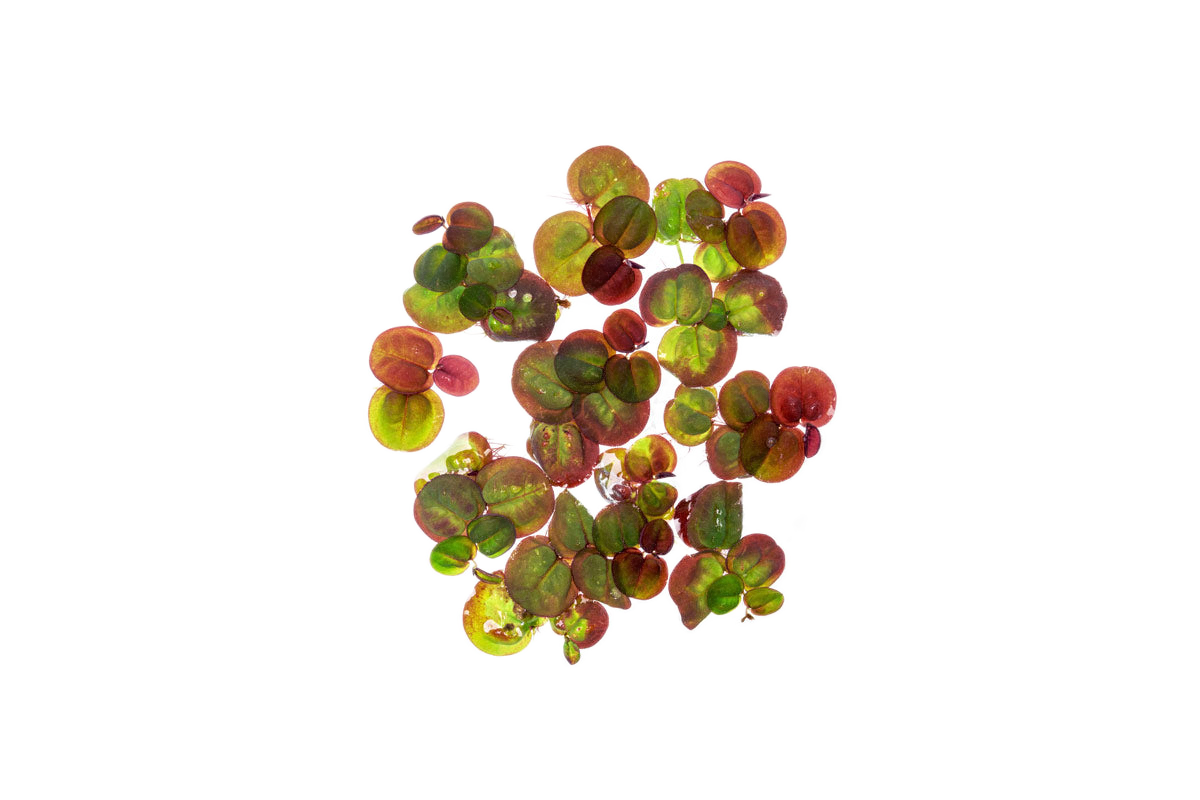
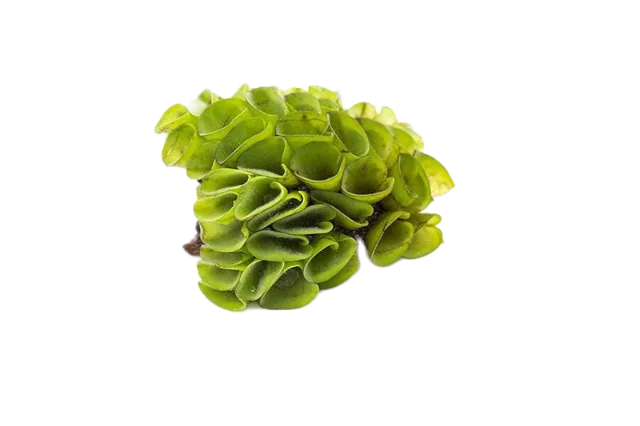
Red Root Floater (Phyllanthus fluitans) is a beautiful floating plant with light green leaves that turn blood red under high light. Its unique, highly sought-after feature is striking blood-red roots; it quickly spreads into thick mats across the surface, perfect for low-tech aquariums and paludariums.
Quick facts
Identity
- Also known as
- Red root floating plant
- Synonyms
- Salvinia auriculata (misapplied, similar appearance)
- Environment
- Freshwater
- Native to
- Brazil, Peru, Colombia, Venezuela, tropical South America
- Habitat
- Slow-moving rivers, ponds, and marshes with still or gently moving surface water in tropical South America
- Sourcing
- Captive-bred
- Conservation
- Not Evaluated
Care
- Care level
- Easy
- Growth form
- Floating
- Max height
- 0.5 – 1.5 in (1.3 – 3.8 cm)
- Spread
- 2.5 in (6.4 cm)
- Growth rate
- Fast
- Placement
- Floating
Water
- Temperature
- 72 – 82 °F (22 – 28 °C)
- pH
- 6.0 – 7.5
- GH
- 2 – 15 dGH
- PAR
- 20 – 40 PAR
- Flow
- Low
- Light
- High
- CO₂
- Not needed
Planting
- Substrate
- Not needed
- Feeds from
- Water column
- Fertilizer needs
- Medium
- Colors
- Green, Red, Brown
Feeding & breeding
- Propagation
- Runners, Splitting
Something wrong or missing? Submit a correction
Care guide
Overview
Suited to open-top tanks and paludariums where the floating rosettes can stay dry on top, this low-tech floater carries round green leaves that redden under strong light along with the namesake crimson roots trailing below. Iron dosing and calm surface flow bring out the color, and regular thinning stops the mat from shading plants underneath.
Care
Red root floater does best in an open-top tank or paludarium where its leaves can stay completely dry on top, since any splash from a filter outlet, air stone, or spray bar causes rot within days. It tolerates a wide range of temperature and hardness, but the surface needs to stay calm and the light needs to be strong for the plant to hold its color instead of reverting to plain green. A gap of an inch or two between the water line and a closed lid helps prevent the leaves from being wetted by condensation while still trapping humidity around the roots.
Planting & trimming
No planting is required; simply place divided portions on the water surface and let them spread into a mat. Keep surface flow to a minimum by directing filter or powerhead outflow along the glass rather than across the top, and thin the mat regularly by scooping out excess growth so light still reaches plants and fish below.
Fertilizing
Roots draw nutrients directly from the water column rather than from a substrate, so root tabs do nothing for this plant. A standard all-in-one liquid fertilizer covers most needs, and a well-stocked tank often supplies enough nitrogen and other nutrients through fish waste alone. Iron is the one nutrient worth dosing specifically, since the red pigment cannot form without it even when light levels are high enough to trigger coloration.
Propagation
The plant propagates itself readily through budding and division, sending out short stolons that connect daughter plants before they separate naturally. Portions that break away from the fragile stems can simply be left to drift and form new patches, making manual propagation as easy as separating clumps by hand.
Problems
Shipping stress is common and new arrivals often look wilted or half-dead before recovering under stable conditions. The most frequent cause of decline in an established tank is wet leaf tops from surface agitation, which leads to rot spreading through the mat within a few days. A mat left unchecked can also shade out submerged plants below it, so regular thinning keeps both the floater and the rest of the tank healthy.
Sources
More Floating plants
Something wrong or missing? Submit a correction
In the community
Popular tanks using Phyllanthus Fluitans Red Root Floater
No public tanks are showcasing Phyllanthus Fluitans Red Root Floater yet.