
Aquatic Plant
Mini Bolbitis (Baby Leaf)
Bolbitis heudelotiiDryopteridaceaeFerns
Price: $29.74 USD
Add from My tanks →1 photos
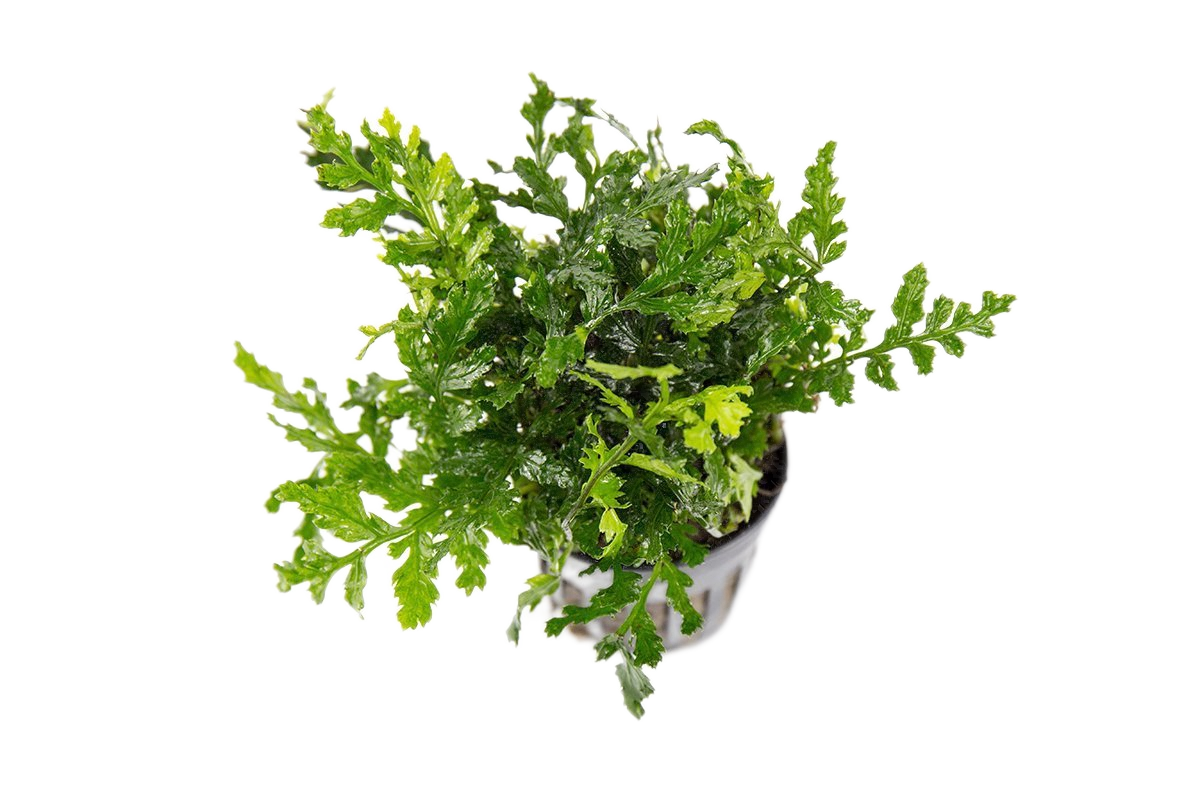
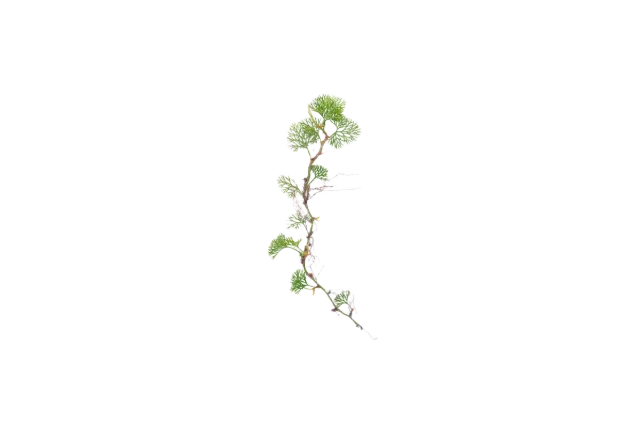
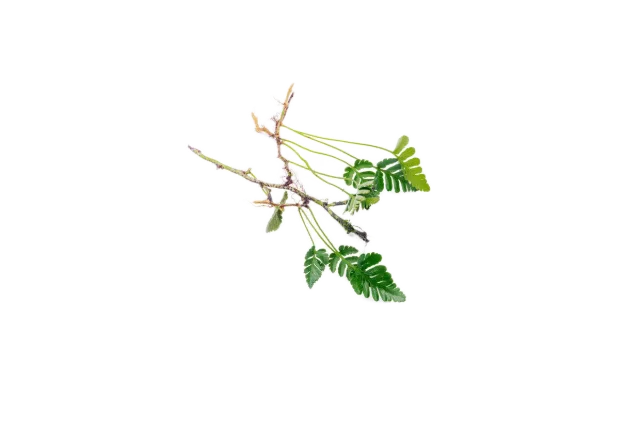
Mini Bolbitis (Bolbitis heteroclita difformis) is a small-leaf variant of Bolbitis heudelotii, a slow-growing fern that can be grown submerged or emersed attached to wood or rock with the rhizome exposed. Easy and low-light tolerant, it prefers areas of higher flow and propagates by dividing along the rhizome.
Quick facts
Identity
- Also known as
- Baby Leaf Fern; Mini Congo Fern
- Synonyms
- Bolbitis heudelotii var. difformis (trade misapplication)
- Environment
- Freshwater
- Native to
- West Africa (Guinea, Sierra Leone, Ivory Coast, Cameroon, Congo Basin)
- Habitat
- Shaded tropical streams and rivers with strong current, growing attached to rocks and submerged wood along the banks
- Sourcing
- Aquacultured
- Conservation
- Not Evaluated
Care
- Care level
- Easy
- Growth form
- Rhizome
- Max height
- 4 – 16 in (10 – 41 cm)
- Spread
- 12 in (30 cm)
- Growth rate
- Slow
- Placement
- Midground, Background
Water
- Temperature
- 70 – 82 °F (21 – 28 °C)
- pH
- 5.5 – 7.5
- GH
- 1 – 8 dGH
- Flow
- Moderate-High
- Light
- Low
- CO₂
- Beneficial
Planting
- Substrate
- Not needed
- Feeds from
- Water column
- Fertilizer needs
- Low
- Colors
- Green
Feeding & breeding
- Propagation
- Rhizome division
Something wrong or missing? Submit a correction
Care guide
Overview
Spreads slowly across driftwood and rock via a creeping rhizome, producing finely divided leaflets noticeably smaller than standard Bolbitis heudelotii. It tolerates low light and skips CO2, doing best with moderate to high flow that keeps its foliage clean. Suited to nano scapes where a compact, textured fern is wanted without excess bulk.
Care
A slow but forgiving fern that tolerates a wide range of lighting and does not need CO2 injection, though added CO2 will speed growth somewhat. It prefers moderate to higher water flow, which mimics the running streams it grows along in the wild and helps keep its fronds free of debris and algae. Water changes should be routine and parameters kept stable, since sudden swings in temperature or chemistry can trigger leaf melt.
Planting & trimming
Attach the rhizome to driftwood or rock using thread, cotton, or a small dab of cyanoacrylate gel glue, keeping it fully exposed above any substrate. Over time roots will anchor naturally to the hardscape, at which point the ties can be removed. Old or blackened fronds can be trimmed at the base to make room for new growth, and the plant can be grown emersed in a paludarium as well as fully submerged.
Fertilizing
A weekly dose of a balanced liquid fertilizer supports steady growth, and root tabs are unnecessary since the rhizome sits above the substrate and feeds mainly through the water column. Iron supplementation helps maintain deep green coloration, and pale or yellowing new fronds usually point to a nutrient shortfall rather than disease. Under very low light, growth slows further but the leaf color tends to stay a richer green.
Propagation
New plants are produced by dividing the horizontal rhizome into sections, each retaining a few healthy leaves and root growth, then reattaching the divisions to hardscape. It is best to wait until a rhizome section has at least three or four leaves before separating it to improve the odds of successful establishment.
Problems
Leaf melt can occur after transplanting or if water parameters shift abruptly, but the plant usually recovers once conditions stabilize and new fronds emerge from the rhizome. Algae fouling on the older, slow-growing leaves is the most common cosmetic issue, usually solved by increasing flow or trimming back light duration. Burying the rhizome in substrate is the single most common care mistake and reliably leads to rot.
Sources
Varieties in the catalog
More Ferns
Something wrong or missing? Submit a correction
In the community
Popular tanks using Mini Bolbitis (Baby Leaf)
No public tanks are showcasing Mini Bolbitis (Baby Leaf) yet.