
Terrarium Plant
Davallia Parvula
Davallia parvulaPolypodiaceaeFerns
Price: $44.99 USD
Add from My tanks →1 photos
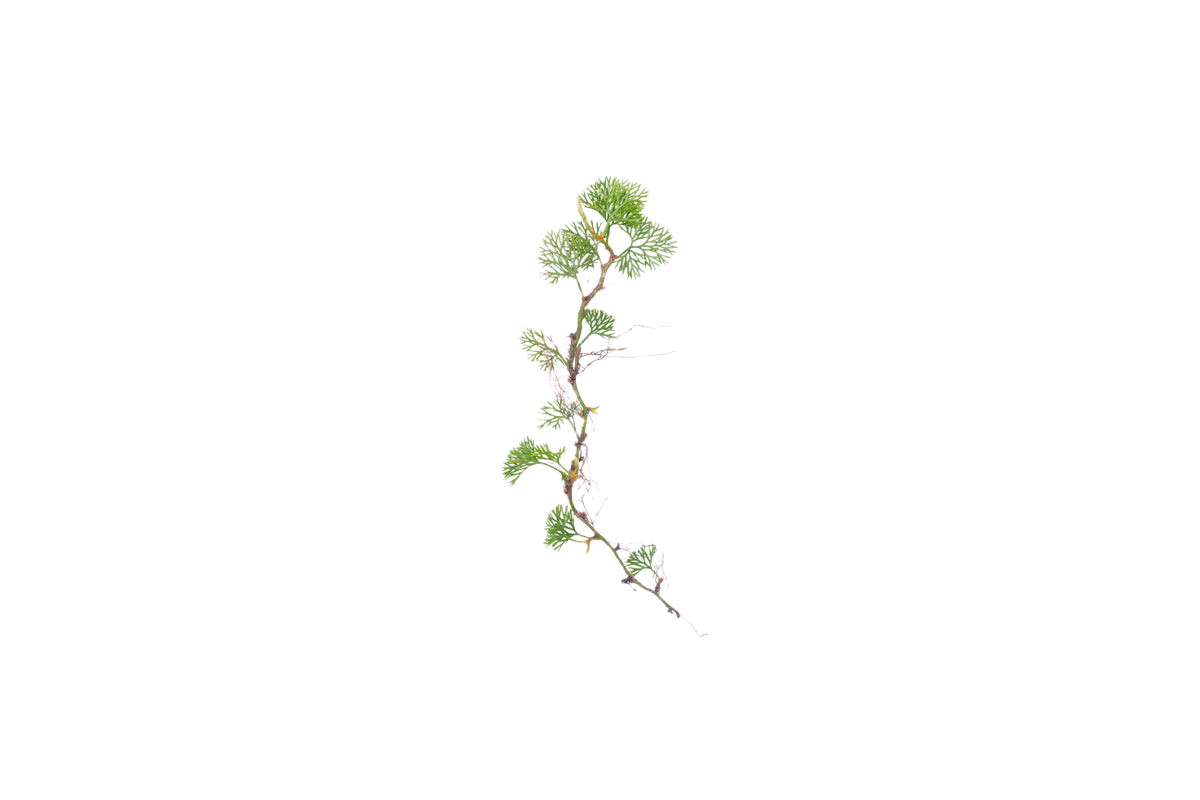
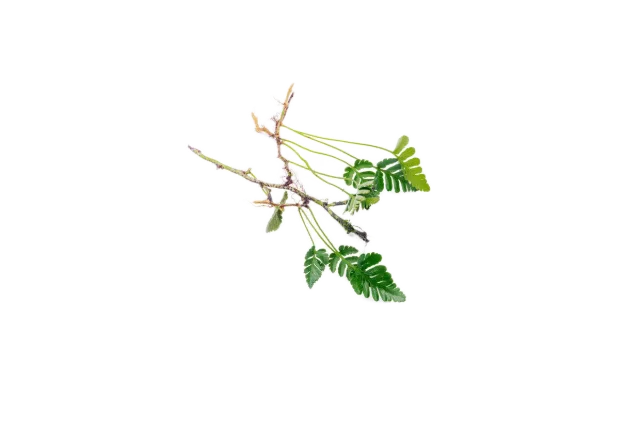
Davallia parvula is a small terrarium fern with delicate, finely textured fronds and distinctive fuzzy creeping rhizomes that spread over hardscape or substrate into a lush mat. It thrives in moderate to high humidity with medium to bright indirect light, keeping the rhizome moist while foliage dries between mistings; it is not an aquatic plant.
Quick facts
Identity
- Also known as
- Rabbit's foot fern
- Environment
- Terrestrial
- Native to
- Borneo (Sarawak, Malaysia)
- Habitat
- Lowland forest, growing epiphytically on tree bark and branches in humid conditions
- Sourcing
- Captive-bred
- Conservation
- Not Evaluated
Care
- Care level
- Moderate
- Growth form
- Rhizome
- Max height
- 0.5 – 1.5 in (1.3 – 3.8 cm)
- Spread
- 6 in (15 cm)
- Growth rate
- Slow
- Placement
- Epiphyte
Water
- Temperature
- 68 – 80 °F (20 – 27 °C)
- Humidity
- 65 – 85%
Planting
- Substrate
- Not needed
- Fertilizer needs
- Low
- Colors
- Green
Feeding & breeding
- Propagation
- Rhizome division
Something wrong or missing? Submit a correction
Care guide
Overview
Davallia parvula is a dwarf epiphytic fern grown for its finely cut fronds and wiry, fuzz-covered rhizomes that creep across cork bark or fern poles rather than rooting in soil. Fronds stay under two inches, spreading slowly into a compact mat over months. Best suited to a humid vivarium with steady moisture at the rhizome and airflow to keep foliage dry between mistings.
Care
Davallia parvula is a miniature epiphytic fern that spreads by way of fine, hair-covered creeping rhizomes rather than growing upright from a single crown. It prefers moderate to high humidity paired with medium to bright indirect light, and does best mounted on a vertical surface such as cork bark or a fern pole rather than planted in substrate. Growth is slow to moderate, and it can be somewhat particular about finding the right balance of light and moisture before it settles in and starts spreading.
Planting & trimming
Best results come from mounting a rhizome cutting onto cork bark, tree-fern fiber, or another rough vertical surface using thread, glue, or by simply wedging it into a crevice until it attaches on its own. Avoid burying the rhizome in substrate since it is an epiphyte and needs surface contact with airflow. Trim only to remove dead or blackened fronds, since the plant otherwise stays compact on its own.
Fertilizing
This fern derives most of its nutrition from organic matter breaking down on its mounting surface and from ambient humidity rather than from fertilized soil. Occasional very dilute misting with a liquid fern or foliar fertilizer can support growth, but heavy fertilizing is unnecessary and unlikely to be well tolerated. Yellowing or stunted new fronds usually point to insufficient humidity rather than a nutrient deficiency.
Propagation
New plants are produced by cutting sections of the creeping rhizome, each with a few attached leaves, and mounting them separately onto a humid surface until they root and spread. Division is slow compared to many terrarium plants, so patience is needed for cuttings to establish and begin producing new fronds.
Problems
Rot at the rhizome is the most common problem, typically caused by constant direct wetting of the fronds or a mounting medium that never dries between waterings. Low humidity slows growth and can cause browning frond tips, while stagnant, overly wet conditions invite fungal issues. Keeping the rhizome itself consistently moist while allowing the foliage to dry between mistings avoids most issues.
Sources
More Ferns
Something wrong or missing? Submit a correction
In the community
Popular tanks using Davallia Parvula
No public tanks are showcasing Davallia Parvula yet.