
Bucephalandra
Bucephalandra Cascade King
Bucephalandra sp.AraceaeBucephalandra
Price: $24.99 USD
Add from My tanks →1 photos
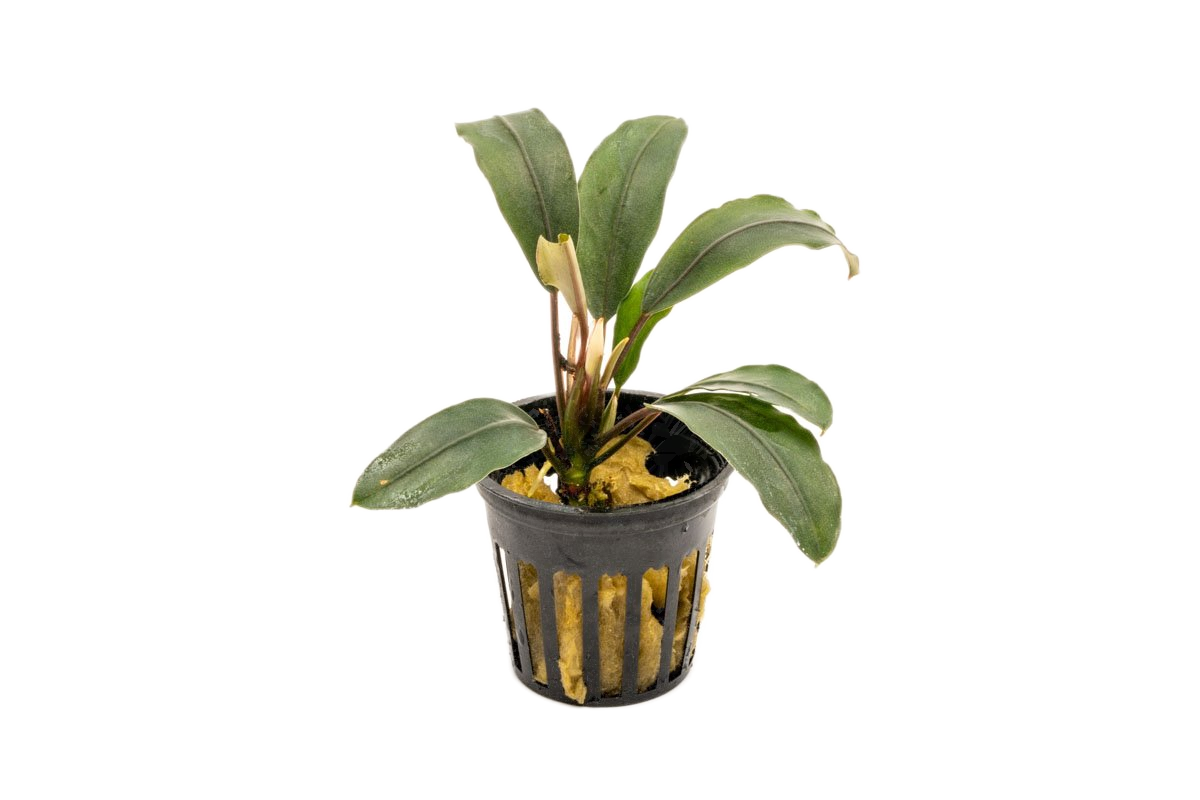
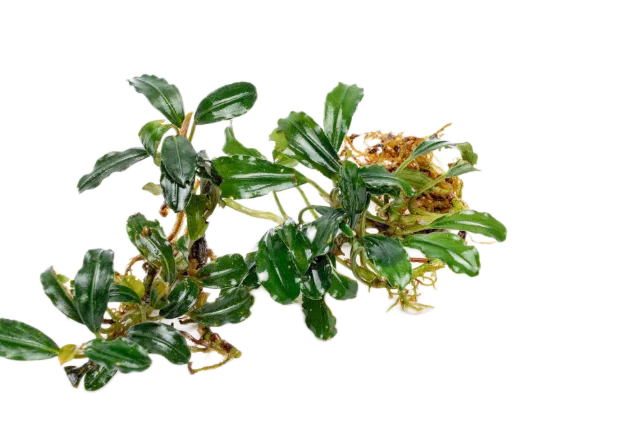
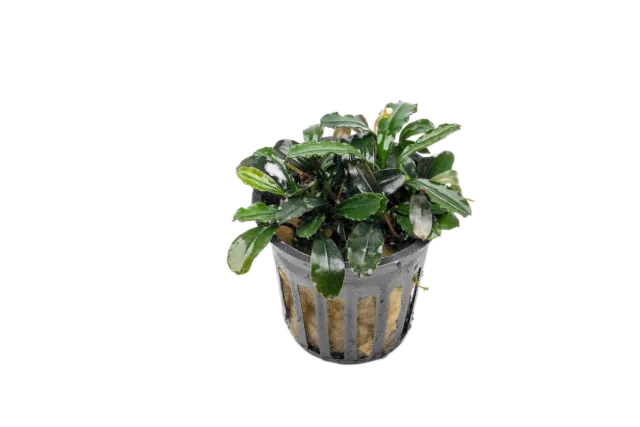
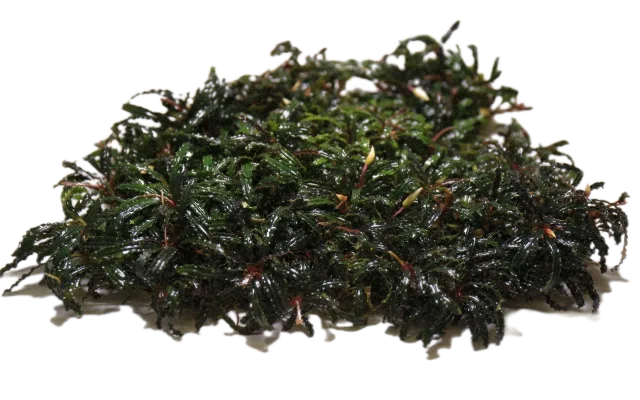
Bucephalandra 'Cascade King' is a medium-to-large, low-tech epiphyte with long, narrow, ruffled leaves that shift from deep green to purplish-blue with an iridescent sheen under good lighting. It grows slowly submerged or emersed attached to hardscape, suits midground to background placement, and tolerates shade.
Quick facts
Identity
- Also known as
- Cascade King Buce
- Synonyms
- Bucephalandra 'Red Central'
- Environment
- Freshwater
- Native to
- Borneo (Indonesia, Malaysia)
- Habitat
- Grows attached to rocks along fast-flowing streams and riverbanks in Bornean rainforest, often partially submerged or in splash zones
- Sourcing
- Both
- Conservation
- Not Evaluated
Care
- Care level
- Easy
- Growth form
- Rhizome
- Max height
- 1 – 4 in (2.5 – 10 cm)
- Spread
- 4 in (10 cm)
- Growth rate
- Slow
- Placement
- Foreground, Midground
Water
- Temperature
- 70 – 80 °F (21 – 27 °C)
- pH
- 6.0 – 7.5
- PAR
- 20 – 50 PAR
- Flow
- Low-Moderate
- Light
- Low
- CO₂
- Beneficial
Planting
- Substrate
- Not needed
- Feeds from
- Water column
- Fertilizer needs
- Low
- Colors
- Green, Red, Brown
Feeding & breeding
- Propagation
- Rhizome division
Something wrong or missing? Submit a correction
Care guide
Overview
Bucephalandra 'Cascade King' is a larger-growing epiphyte whose long, ruffled leaves shift from deep green to purplish-blue with an iridescent cast under adequate light. Suited to midground or background hardscape, it stays slow and low-maintenance, tolerating shade once established on wood or rock.
Care
Bucephalandra Red Central is one of the hardiest plants available for the planted aquarium, tolerating a wide range of light levels and water chemistry as long as the rhizome stays attached to hardscape rather than buried in substrate. Growth is very slow, so it holds its shape and placement for long periods without frequent trimming. It handles both low-tech and CO2-injected setups, though supplemental CO2 and stable water chemistry bring out deeper red and bronze tones in the leaf centers. Sudden shifts in lighting or parameters are the most common trigger for leaf melt in newly acquired specimens.
Planting & trimming
Attach the rhizome to driftwood or rock using cotton thread, fine fishing line, or cyanoacrylate glue, keeping the rhizome itself exposed to water rather than pressed into substrate or covered in biofilm. Once roots take hold on the hardscape within a few weeks, any ties can be removed. Trimming is rarely needed given the slow growth rate, but old or melted leaves should be snipped off individually to keep the rhizome healthy.
Fertilizing
Root tabs are of little use since the rhizome should never be buried, so nutrition comes primarily through the water column via liquid fertilizers. A broad-spectrum liquid fertilizer containing iron and trace elements supports new leaf coloration and helps prevent pale or translucent new growth. Under low-tech conditions with minimal dosing, growth simply slows further rather than showing acute deficiency symptoms.
Propagation
Propagate by cutting a healthy section of rhizome containing at least a few leaves and several growth nodes with clean scissors, then reattach the piece to a new area of hardscape or let it float until roots emerge. Each division can be tied down separately and will continue growing independently once established.
Problems
Newly planted or shipped specimens commonly show leaf melt as they adjust to new water parameters and lighting, particularly if conditions change abruptly; established plants are far more resilient. Because the rhizome and leaves grow slowly and stay in place for extended periods, algae can accumulate on older leaves in high-light or nutrient-rich tanks, so occasional manual removal or the addition of grazing shrimp helps keep foliage clean. Rot at the rhizome usually indicates it has been buried or is pressed too tightly against a surface without airflow.
Sources
Varieties in the catalog
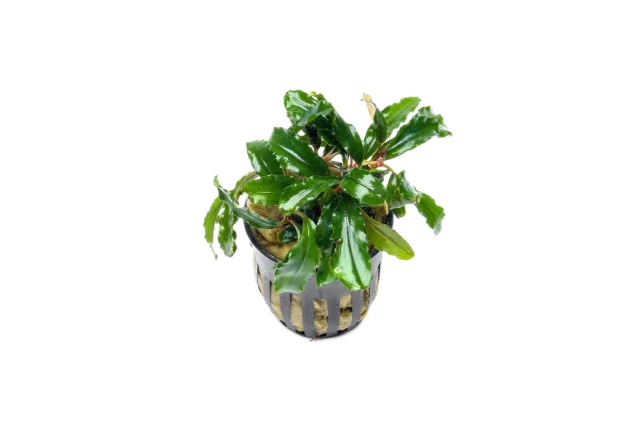 Bucephalandra Artemis
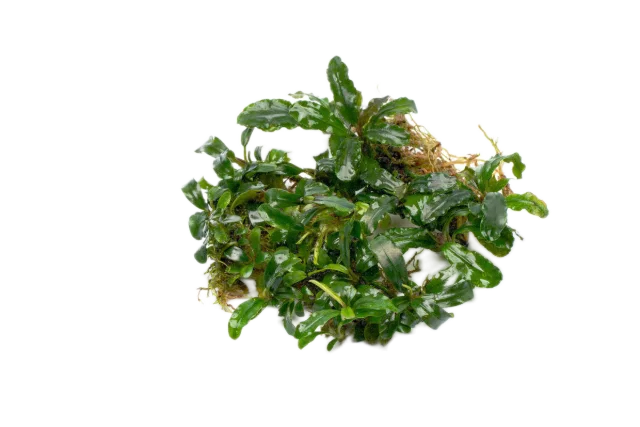 Bucephalandra Aurora
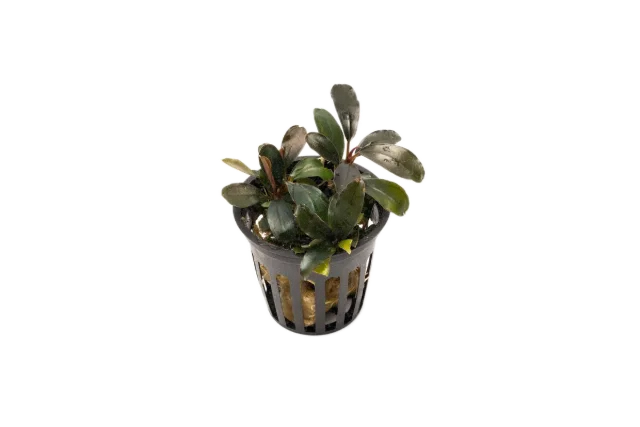 Bucephalandra Black Pearl
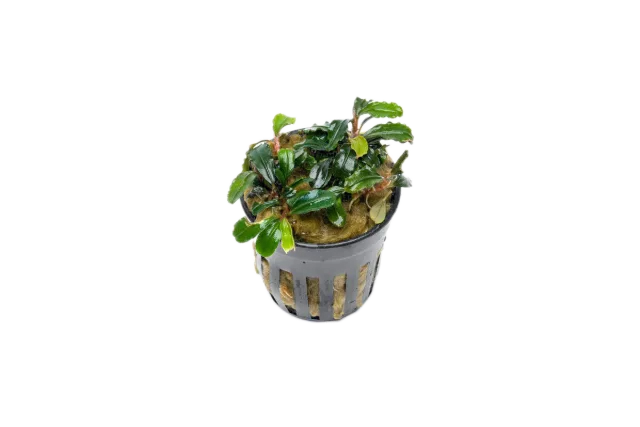 Bucephalandra Brownie Kapuas
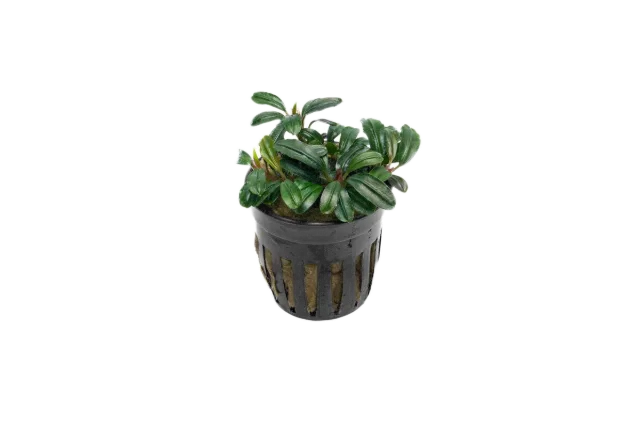 Bucephalandra Brownie Phoenix Brown
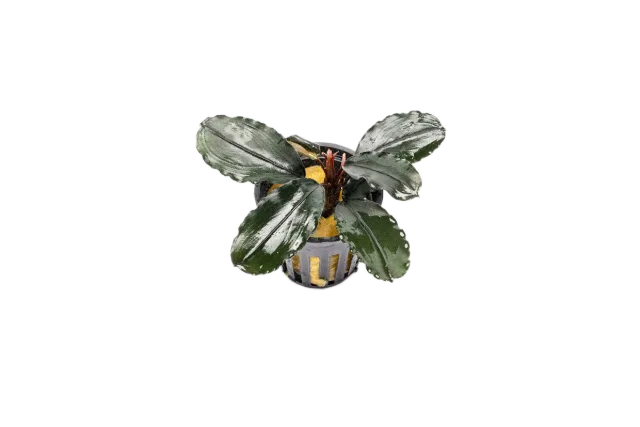 Bucephalandra Freya
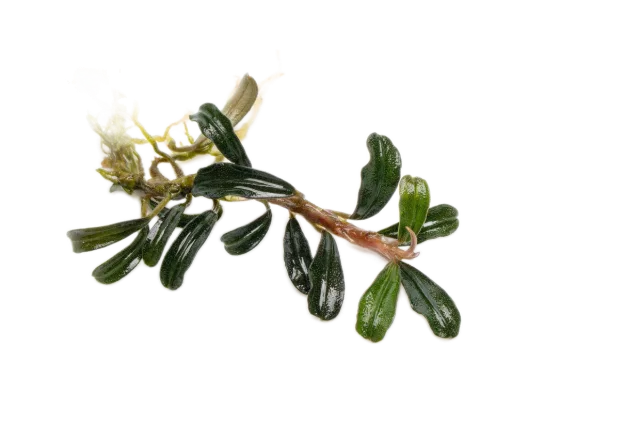 Bucephalandra Grappa Red (Mini)
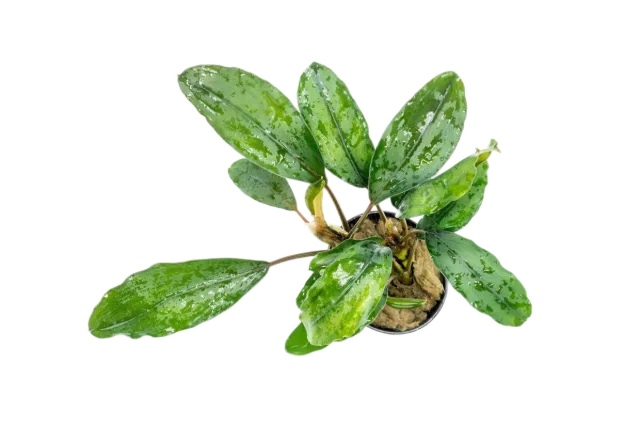 Bucephalandra Green Broad Leaf
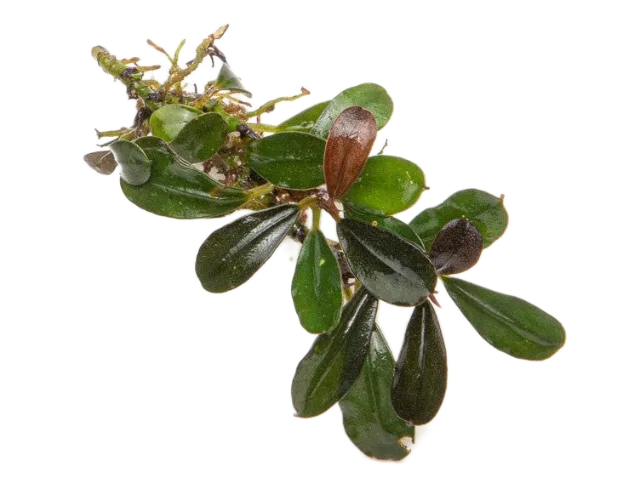 Bucephalandra Kedagang Mini
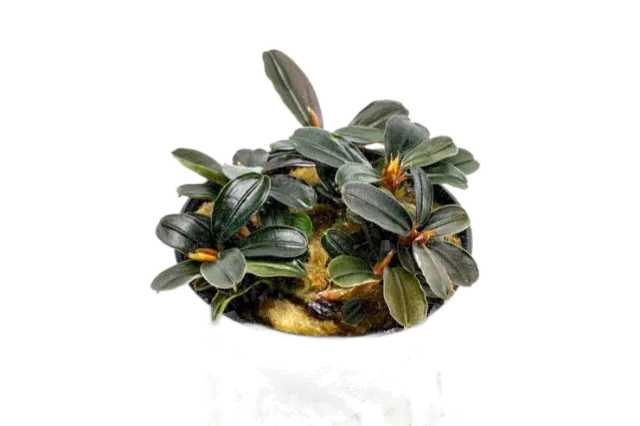 Bucephalandra Kedagang Mini Round
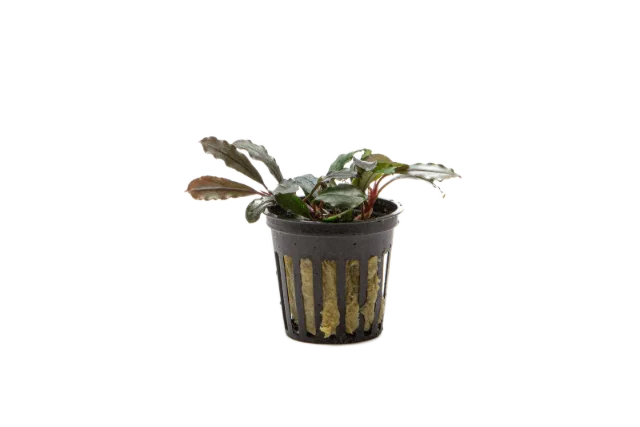 Bucephalandra Kedagang Round
 Bucephalandra Kir Royale
More Bucephalandra
Something wrong or missing? Submit a correction
In the community
Popular tanks using Bucephalandra Cascade King
No public tanks are showcasing Bucephalandra Cascade King yet.