
Aquatic Plant
Aridarum Narrow
Aridarum sp. 'Narrow'AraceaeBucephalandra
Price: $19.99 USD
Add from My tanks →1 photos
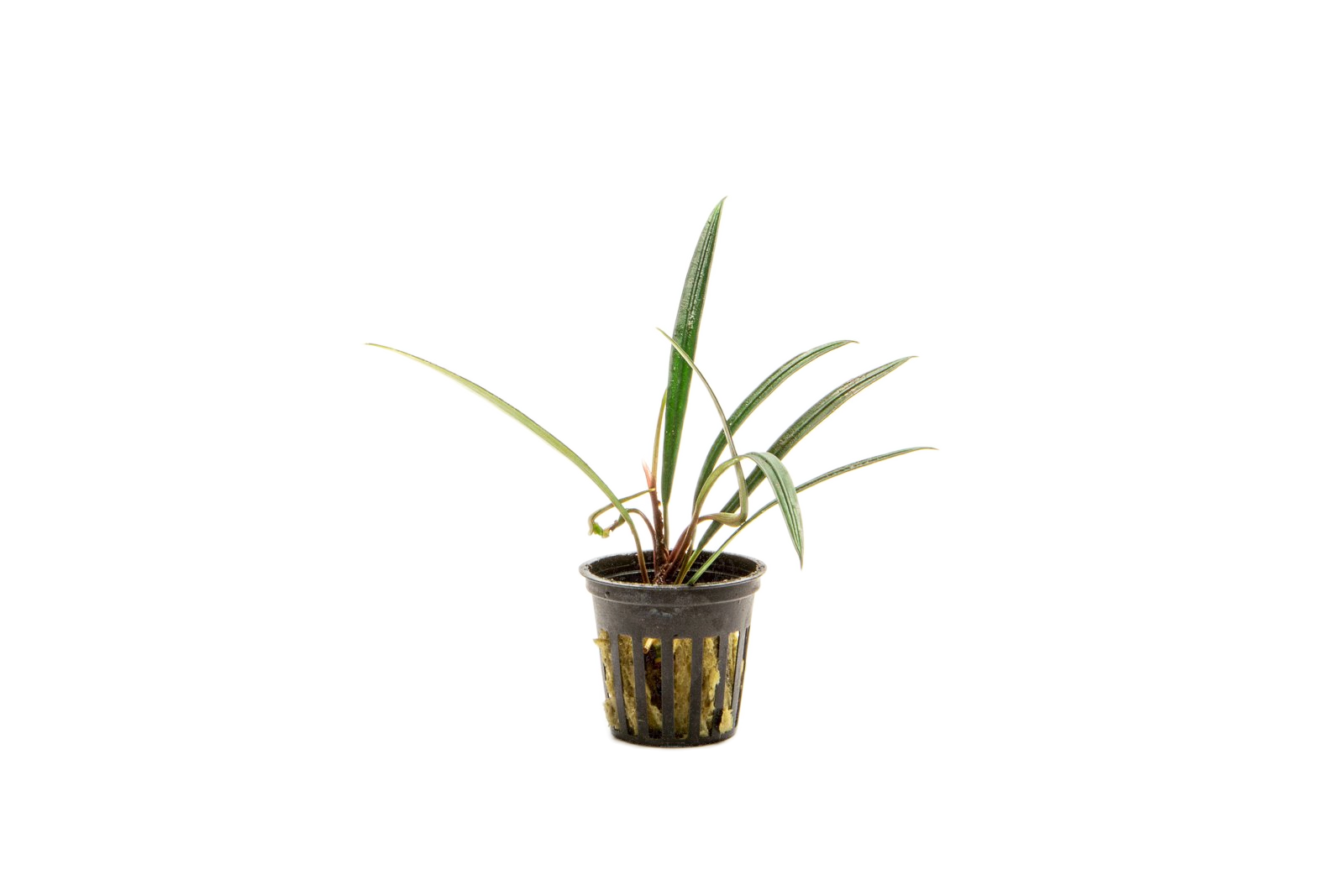
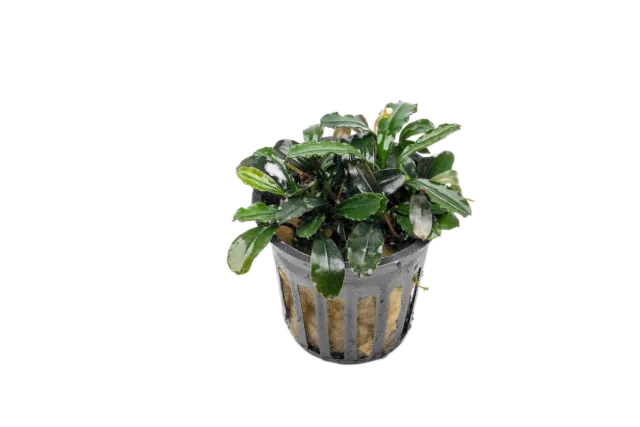
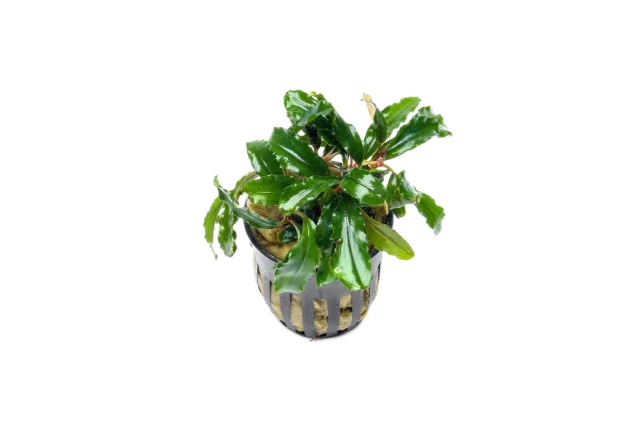
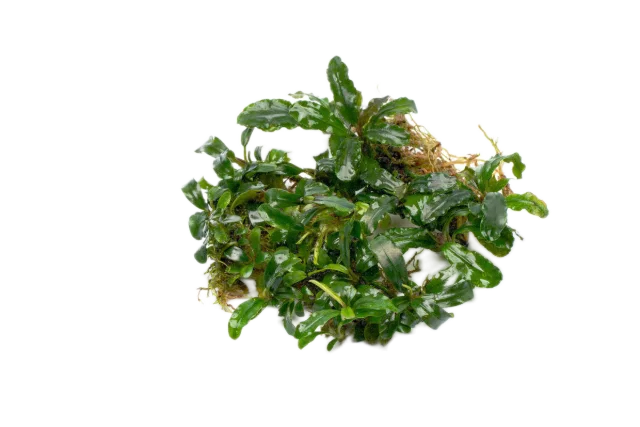
Aridarum Narrow is a rare, slow-growing plant from Borneo's fast-flowing waterfalls and streams, distinguished by its long, narrow, thin and waxy leaves. It can be grown submerged or emersed, propagates by rhizome cutting, and attaches well to driftwood and rocks.
Quick facts
Identity
- Also known as
- Narrow Leaf Aridarum
- Synonyms
- Aridarum sp. "Narrow Leaf"
- Environment
- Freshwater
- Native to
- Borneo, Indonesia
- Habitat
- Fast-flowing waterfalls and rocky rheophyte streams in Bornean rainforest, growing attached to rocks and driftwood in high-flow zones
- Sourcing
- Aquacultured
- Conservation
- Not Evaluated
Care
- Care level
- Moderate
- Growth form
- Rhizome
- Max height
- 2 – 6 in (5.1 – 15 cm)
- Spread
- 8 in (20 cm)
- Growth rate
- Slow
- Placement
- Midground, Epiphyte
Water
- Temperature
- 72 – 80 °F (22 – 27 °C)
- pH
- 6.0 – 7.5
- GH
- 4 – 12 dGH
- Flow
- Moderate-High
- Light
- Low
- CO₂
- Beneficial
Planting
- Substrate
- Not needed
- Feeds from
- Both
- Fertilizer needs
- Low
- Colors
- Green
Feeding & breeding
- Propagation
- Rhizome division
Something wrong or missing? Submit a correction
Care guide
Overview
Suited to aquascapers who favor slow, low-maintenance epiphytes over fast carpeting plants, this rheophyte forms narrow, thin, waxy leaves along a creeping rhizome rather than rooting into substrate. It tolerates low to medium light and does best in moderate-high flow, tied or glued to driftwood or rock. Growth is slow, so patience is required between new leaves.
Care
This rheophyte adapts well to home aquaria despite its demanding native habitat of fast Bornean streams and waterfalls. It tolerates a wide range of light levels from low to medium and does not strictly require CO2 injection, though supplemental CO2 speeds up its otherwise very slow growth. Stable water chemistry is more important than any single parameter, since sudden shifts tend to trigger leaf melt on newly settled specimens. Good water movement across the leaves helps replicate the current it experiences in the wild and keeps the thin, waxy foliage clean.
Planting & trimming
Attach the rhizome to driftwood or rock using cotton thread, fishing line, or a small dab of cyanoacrylate superglue gel, leaving the rhizome itself exposed rather than pressed into substrate. It can also simply be wedged into a crevice in hardscape until roots take hold naturally. Position it in an area with moderate to strong flow to mimic its rheophytic origin, and be patient, since visible growth between new leaves can take weeks.
Fertilizing
Root tabs are of limited value since the plant is grown attached to hardscape rather than rooted in substrate, so nutrient uptake happens mainly through the leaves and fine roots gripping the wood or stone. Liquid fertilizer dosed into the water column, including a source of iron and other micronutrients, supports steady leaf production. Pale or translucent new leaves usually point to insufficient micronutrient dosing or inconsistent CO2 rather than a lighting problem.
Propagation
Propagation is done by cutting a healthy section of rhizome that has at least one growth point or leaf attached, then tying or gluing the cut piece to a new piece of hardscape. New roots and leaves will emerge from the divided section over time, though given the slow growth rate this process is far slower than with many other epiphytic aquarium plants.
Problems
Melt can occur after transplanting or following abrupt changes in water parameters, but the rhizome usually survives and pushes new growth once conditions restabilize, a process that can take several weeks to a couple of months. Because growth is so slow, algae can become a persistent problem on older leaves if flow and nutrient balance are not kept in check. Avoid burying the rhizome, as this is the most common cause of rot in this and other aroid epiphytes.
Sources
More Bucephalandra
Something wrong or missing? Submit a correction
In the community
Popular tanks using Aridarum Narrow
No public tanks are showcasing Aridarum Narrow yet.