
Bucephalandra
Bucephalandra Belindae
Bucephalandra belindaeAraceaeBucephalandra
Price: $99.99 USD
Add from My tanks →1 photos
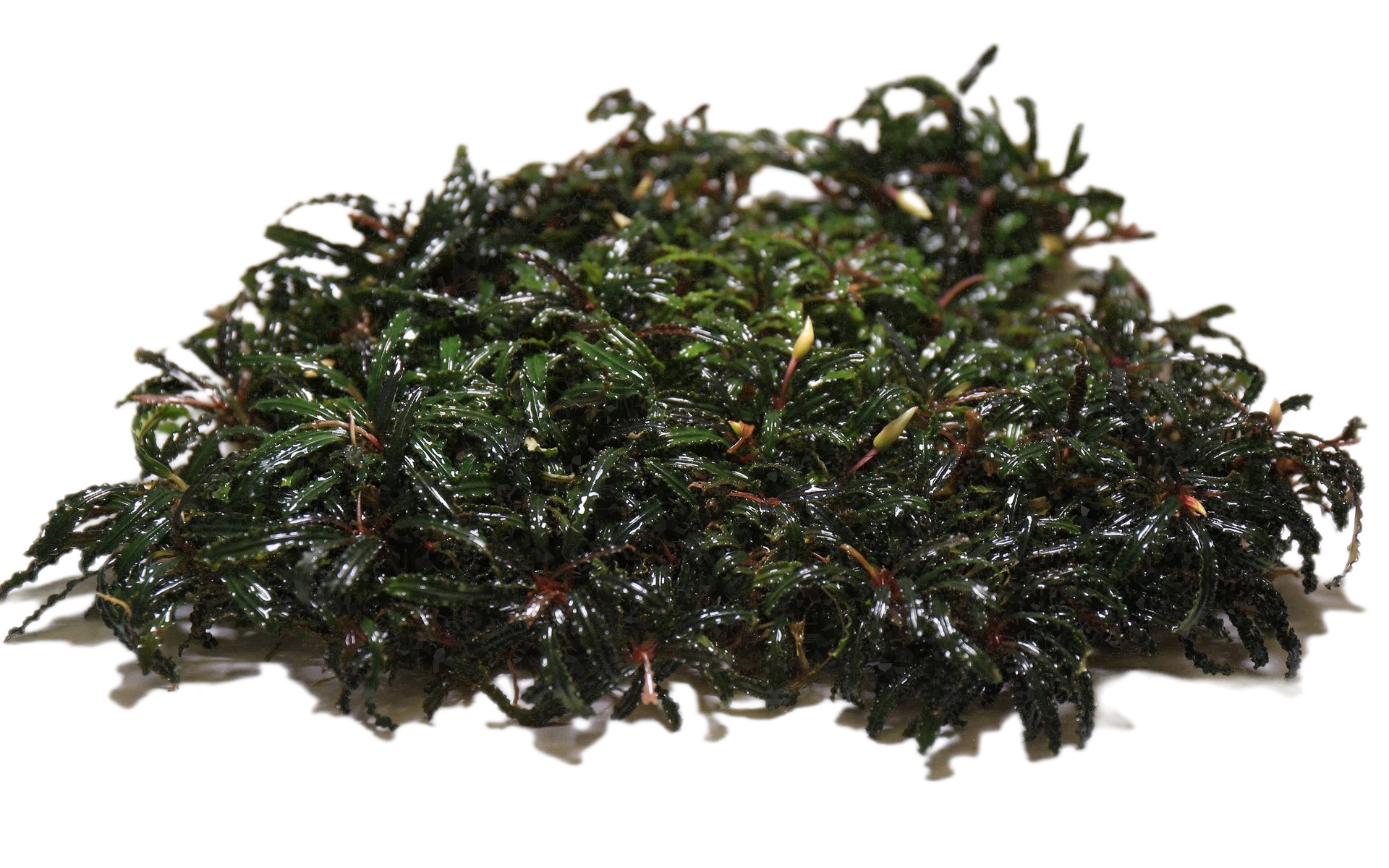
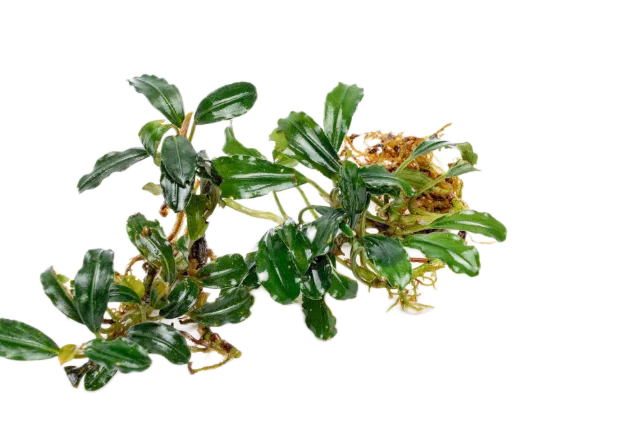
Bucephalandra belindae is a unique aquarium plant with thin, curly-edged leaves resembling a miniature bush of palm trees in light to dark green tones, known for frequently producing elegant white flowers when established. This durable, shade-tolerant epiphyte attaches to hardscape and adds architectural texture to the foreground or midground.
Quick facts
Identity
- Also known as
- null
- Environment
- Freshwater
- Native to
- Borneo, Indonesia (Kalimantan)
- Habitat
- Rheophytic streams and rivers in Borneo, growing attached to rocks and driftwood in shaded areas with steady water flow, sometimes exposed emersed during dry season
- Sourcing
- Aquacultured
- Conservation
- Not Evaluated
Care
- Care level
- Easy
- Growth form
- Rhizome
- Max height
- 2 – 4 in (5.1 – 10 cm)
- Spread
- 5 in (13 cm)
- Growth rate
- Slow
- Placement
- Foreground, Midground, Epiphyte
Water
- Temperature
- 71 – 82 °F (22 – 28 °C)
- pH
- 6.0 – 7.5
- GH
- 2 – 12 dGH
- PAR
- 20 – 50 PAR
- Flow
- Moderate
- Light
- Low
- CO₂
- Beneficial
Planting
- Substrate
- Not needed
- Feeds from
- Both
- Fertilizer needs
- Low
- Colors
- Green
Feeding & breeding
- Propagation
- Rhizome division
Something wrong or missing? Submit a correction
Care guide
Overview
Flowers occasionally emerge above its clumps of narrow, undulated green leaves once the rhizome settles onto hardscape, a trait keepers of this cultivar often note alongside its fine, textured growth habit. Growth stays slow regardless of light level, and the rhizome must stay glued or tied to rock or wood, never buried, to avoid rot.
Care
Belinda's Buce is a slow-growing epiphyte identified by its narrow, ribbon-like leaves with heavily undulated margins, giving clumps a fine, textured look distinct from broader-leafed Bucephalandra cultivars. It tolerates a wide light range from low to high, though moderate light with stable conditions produces the best coloration without excessive algae growth. CO2 injection is not required but noticeably improves growth rate and leaf density, and the plant adapts well to both submerged and emersed conditions once established.
Planting & trimming
Attach the rhizome to porous rock or driftwood using superglue gel, thread, or fine fishing line rather than planting it in substrate, since burial causes rot. Give roots two to three weeks to grip the hardscape before removing any temporary ties, and space clusters to allow the plant to reach roughly 3 to 4 inches tall and wide at maturity. Trim only dead or melting leaves with clean scissors, leaving the rhizome and healthy foliage intact.
Fertilizing
As a water column feeder, Belinda's Buce takes in most of its nutrients through its leaves and roots rather than through the substrate, so liquid fertilizer dosed consistently matters more than root tabs. Nutrient demand is low to moderate, and trace elements can help intensify leaf color, though cultivar genetics remain the dominant factor in appearance. Sudden swings in dosing or water chemistry are more likely to cause problems than a lean nutrient routine.
Propagation
Propagation is by rhizome division: once a section has developed several leaves and visible roots, cut it away from the main rhizome with sharp, clean scissors and reattach it to new hardscape. Growth is slow, so mature clumps suitable for dividing may take months to develop multiple growth points. Emersed cultivation in high-humidity setups can speed up propagation compared with fully submerged growth.
Problems
Leaf melt is the most common issue, usually triggered by drastic shifts in water parameters, lighting, or the transition from emersed nursery growth to submerged tank conditions. New specimens often drop a few leaves after planting before settling in and pushing new growth, which is normal and not a sign of failure. Burying the rhizome is a frequent mistake that leads to rot, so it should always be kept exposed to water flow when attached to hardscape.
Sources
More Bucephalandra
Something wrong or missing? Submit a correction
In the community
Popular tanks using Bucephalandra Belindae
No public tanks are showcasing Bucephalandra Belindae yet.