
Terrarium Plant
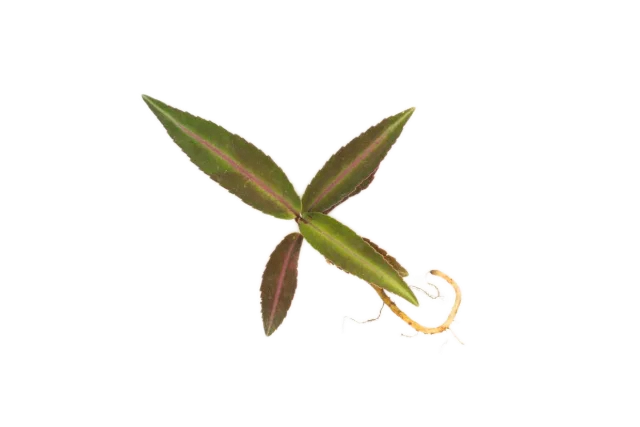
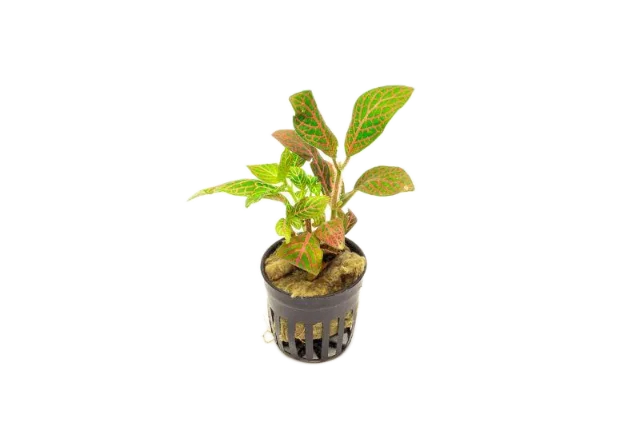
Ardisia Sp Pink Line Type 2
Ardisia sp.PrimulaceaeTerrarium plants
Price: $52.99 USD
Add from My tanks →1 photos
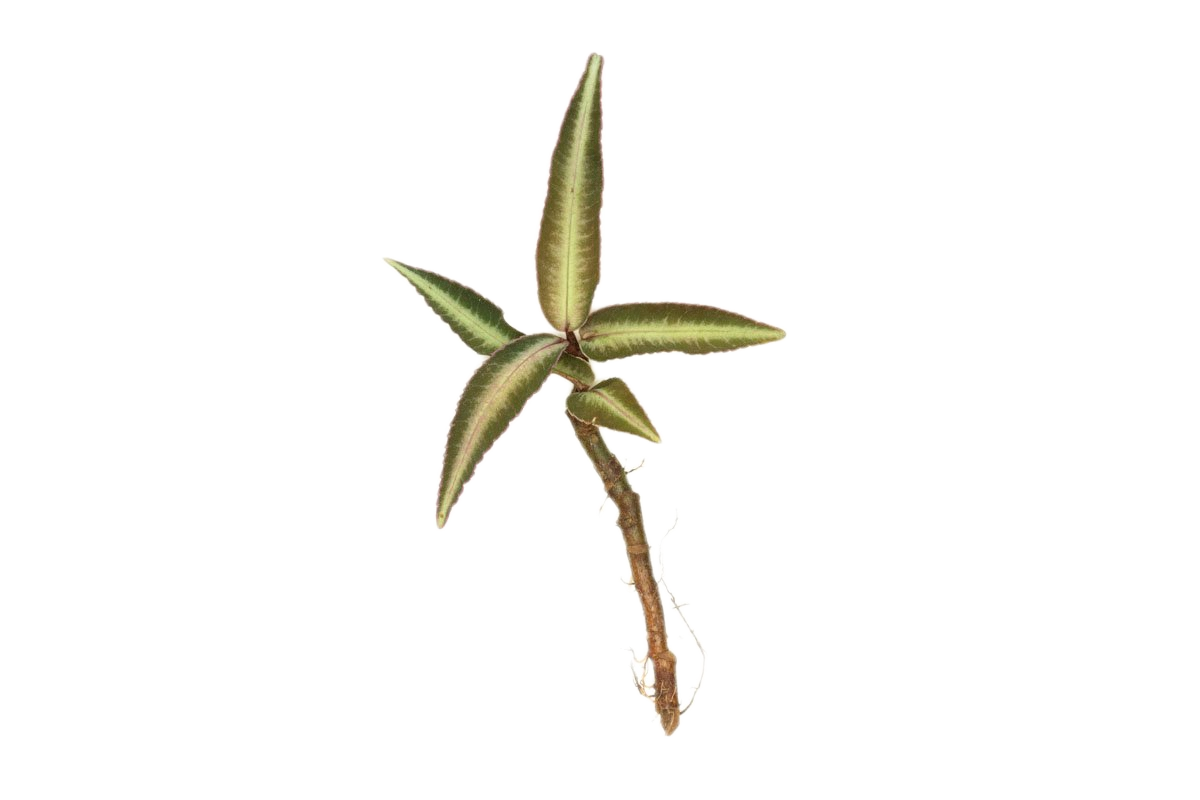
Ardisia Sp Pink Line Type 2 is a tropical terrestrial plant from Asia with lance-shaped leaves featuring serrated pink edges and a light green to nearly white leaf center. It thrives in high-humidity enclosed setups like terrariums and vivariums; as a terrestrial species, it must never be submerged.
Quick facts
Identity
- Also known as
- Marlberry; Coral berry
- Environment
- Terrestrial
- Native to
- Southeast Asia (Vietnam, Thailand, Malaysia, Indonesia, Cambodia, Laos)
- Habitat
- Understory of tropical lowland and hill rainforest, growing in shaded, humid leaf litter and forest floor conditions
- Sourcing
- Captive-bred
- Conservation
- Not Evaluated
Care
- Care level
- Moderate
- Growth form
- Upright
- Max height
- 2 – 12 in (5.1 – 30 cm)
- Spread
- 8 in (20 cm)
- Growth rate
- Slow
- Placement
- Background, Midground
Water
- Temperature
- 68 – 80 °F (20 – 27 °C)
- Humidity
- 75 – 95%
Planting
- Substrate
- Nutrient-rich preferred
- Feeds from
- Roots
- Fertilizer needs
- Low
- Colors
- Green, Red, Pink, Purple, Brown, Multicolor
Feeding & breeding
- Propagation
- Cuttings
Something wrong or missing? Submit a correction
Care guide
Overview
Grown from Southeast Asian rainforest understory stock, this cultivar shows lance-shaped leaves with serrated pink edges surrounding a light green to nearly white center. It is suited to enclosed, high-humidity terrariums or vivariums as a terrestrial plant that cannot be submerged.
Care
This terrestrial understory plant needs consistently high humidity and evenly moist, well-draining substrate rather than standing water. It does best under bright indirect light in a terrarium or paludarium land area, as direct sun tends to scorch the leaves while deep shade dulls their color. Growth is slow, so patience is needed before a cutting fills out into a mature specimen, and overwatering the base can lead to stem or root rot.
Planting & trimming
Plant in a well-draining mix such as sphagnum moss combined with bark and perlite, keeping the crown above the substrate surface and only the roots buried. Position in the humid, non-flooded land or background area of a terrarium or paludarium, never in the submerged aquatic zone, and allow newly received cuttings to acclimate gradually to their new humidity and light levels before making further changes.
Fertilizing
Because the sphagnum moss, bark, or perlite mixes typically used for planting are nutrient-poor, occasional light feeding with a diluted foliar or root fertilizer helps sustain steady growth. Deformed or stunted new leaves usually point to a nutrient deficiency, so a dilute balanced fertilizer applied every few weeks is a reasonable starting point. Avoid heavy dosing, since these plants grow slowly and can be sensitive to fertilizer buildup in a closed terrarium.
Propagation
Propagated from stem cuttings taken with a few leaves attached, which can be rooted in a humid, moist substrate such as sphagnum moss. Rooting is slow and cuttings should be kept in high humidity with indirect light until new growth appears.
Problems
Browning or crisping leaf edges almost always signal insufficient humidity rather than a pest or disease problem. Stunted, misshapen new growth points to a nutrient deficiency in the potting medium. Root and stem rot can develop if the substrate is kept waterlogged rather than just consistently moist.
Sources
Varieties in the catalog
More Terrarium plants
Something wrong or missing? Submit a correction
In the community
Popular tanks using Ardisia Sp Pink Line Type 2
No public tanks are showcasing Ardisia Sp Pink Line Type 2 yet.