
Terrarium Plant
Fittonia Albivenis Red
Fittonia albivenisAcanthaceaeTerrarium plants
Price: $6.99 USD
Add from My tanks →1 photos
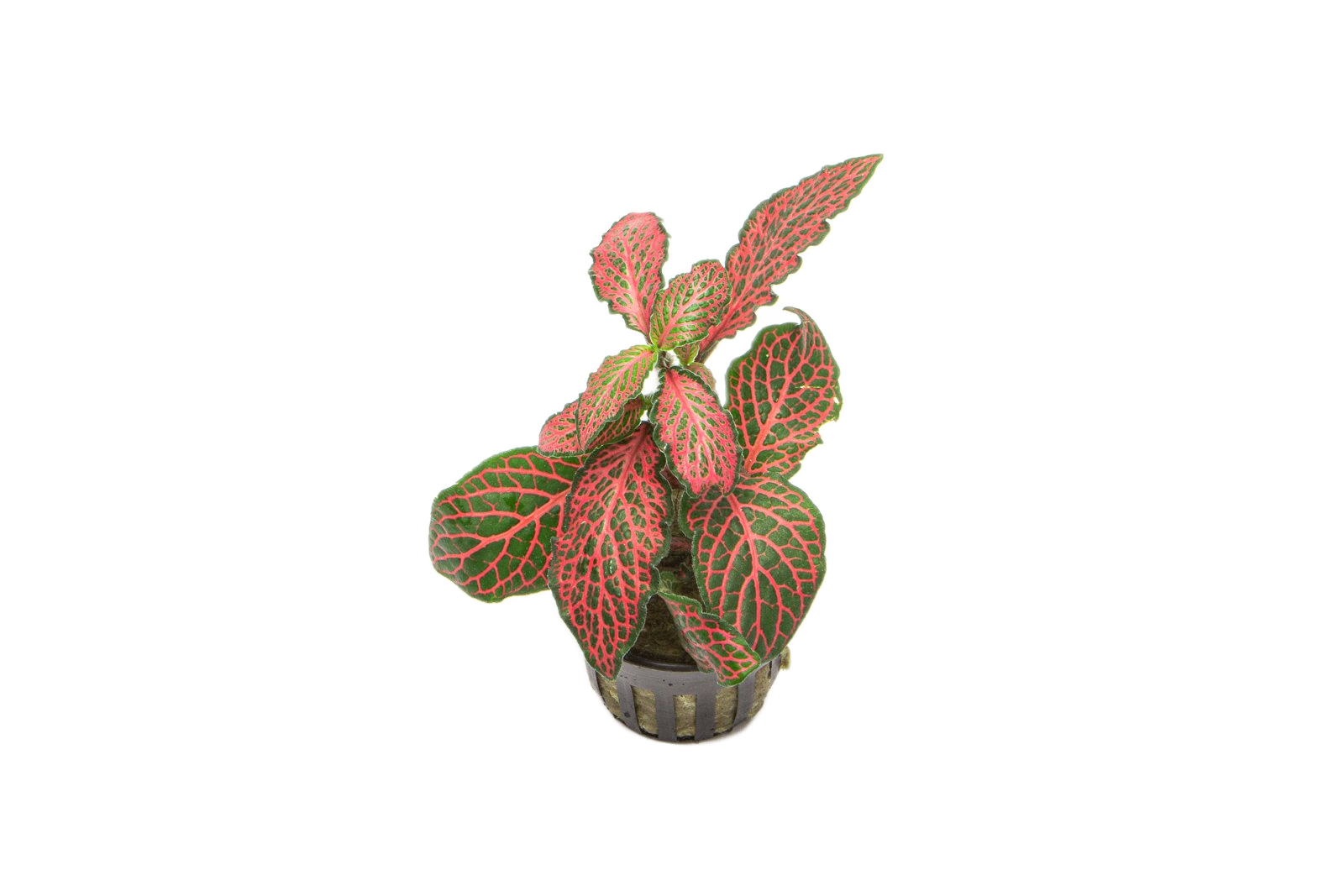
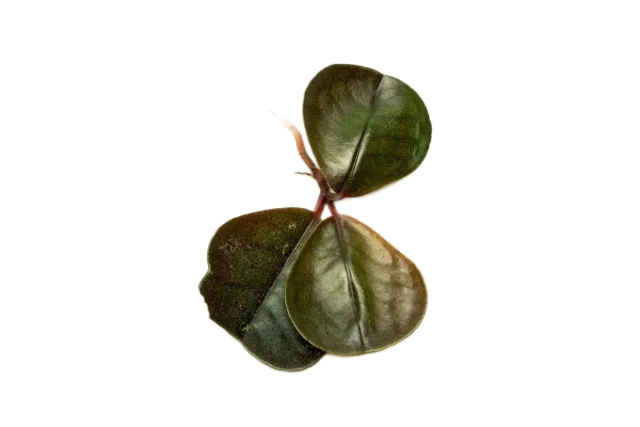
Fittonia Albivenis Red (Nerve Plant) is a creeping, evergreen perennial from South American tropical rainforests, identified by bold pink to red veins against dark green leaves. An easy-going terrestrial plant for terrariums, vivariums, and paludariums, it needs partial shade, warm temperatures, and high humidity, and must never be submerged.
Quick facts
Identity
- Also known as
- Red Nerve Plant; Red Mosaic Plant; Red Net Plant
- Synonyms
- Fittonia verschaffeltii; Fittonia argyroneura; Gymnostachyum verschaffeltii
- Environment
- Terrestrial
- Native to
- Peru, South America (tropical rainforests)
- Habitat
- Understory of tropical rainforests, growing on shaded, humid forest floor beneath taller trees
- Sourcing
- Captive-bred
- Conservation
- Not Evaluated
Care
- Care level
- Moderate
- Growth form
- Carpeting
- Max height
- 2 – 6 in (5.1 – 15 cm)
- Spread
- 18 in (46 cm)
- Growth rate
- Slow
- Placement
- Foreground, Carpet, Epiphyte
Water
- Temperature
- 65 – 80 °F (18 – 27 °C)
- Humidity
- 60 – 90%
Planting
- Substrate
- Nutrient-rich preferred
- Feeds from
- Roots
- Fertilizer needs
- Low
- Colors
- Green, Red, Pink, Cream
Feeding & breeding
- Propagation
- Cuttings, Rhizome division, Plantlets
Something wrong or missing? Submit a correction
Care guide
Overview
Reaching only 2-6 inches tall while spreading up to 18 inches, this low creeper stays close to the substrate as a dense mat. Dark green leaves are laced with pink to red veining, giving it a mosaic look in the terrarium foreground. It demands steady humidity and filtered light, and rots quickly if soil stays waterlogged.
Care
Nerve plant does best in a closed or high-humidity terrarium or paludarium where moisture stays consistent, since dry room air causes it to wilt quickly and recover slowly. Give it filtered or dappled light rather than direct sun, which scorches the thin leaves, and keep temperatures in the mid-60s to upper 70s F. Substrate should stay evenly moist but not waterlogged, as soggy soil leads to stem and root rot.
Planting & trimming
Plant in a loamy, well-drained but moisture-retentive substrate such as a peat-based terrarium mix, setting stems shallowly so lower nodes can root as the plant creeps along the surface. It can also be grown loosely on damp substrate or tucked among rocks and wood in the foreground of a vivarium rather than mounted like a true epiphyte. Pinch growing tips periodically to encourage a denser, bushier mat and remove the small insignificant flower spikes if foliage display is the priority.
Fertilizing
A light dose of balanced liquid fertilizer diluted to quarter strength every few weeks during active growth supports the dense foliage without pushing rapid leggy growth. Root tabs are unnecessary in typical peat-based terrarium substrates as long as the mix contains some organic matter. Pale or yellowing leaves often signal either overwatering or a need for more consistent feeding rather than a specific nutrient deficiency.
Propagation
Propagates readily from stem cuttings placed in moist substrate or water, rooting quickly at the leaf nodes under humid conditions. Layering also works well since trailing stems root naturally wherever they touch damp soil. Clumps can additionally be divided at the base and replanted to fill out other areas of a terrarium.
Problems
Wilting is the most common visible stress response and usually indicates a drop in humidity or substrate moisture rather than disease. Overly wet, poorly drained substrate promotes stem and root rot, seen as blackened, mushy bases and yellowing leaves. Leaf edges that brown or curl typically point to direct sun exposure or air that is too dry for extended periods.
Sources
Varieties in the catalog
More Terrarium plants
Something wrong or missing? Submit a correction
In the community
Popular tanks using Fittonia Albivenis Red
No public tanks are showcasing Fittonia Albivenis Red yet.