
Terrarium Plant
Dipteracanthus Elastica
Hemigraphis alternataAcanthaceaeTerrarium Plants
Price: $9.99 USD
Add from My tanks →1 photos
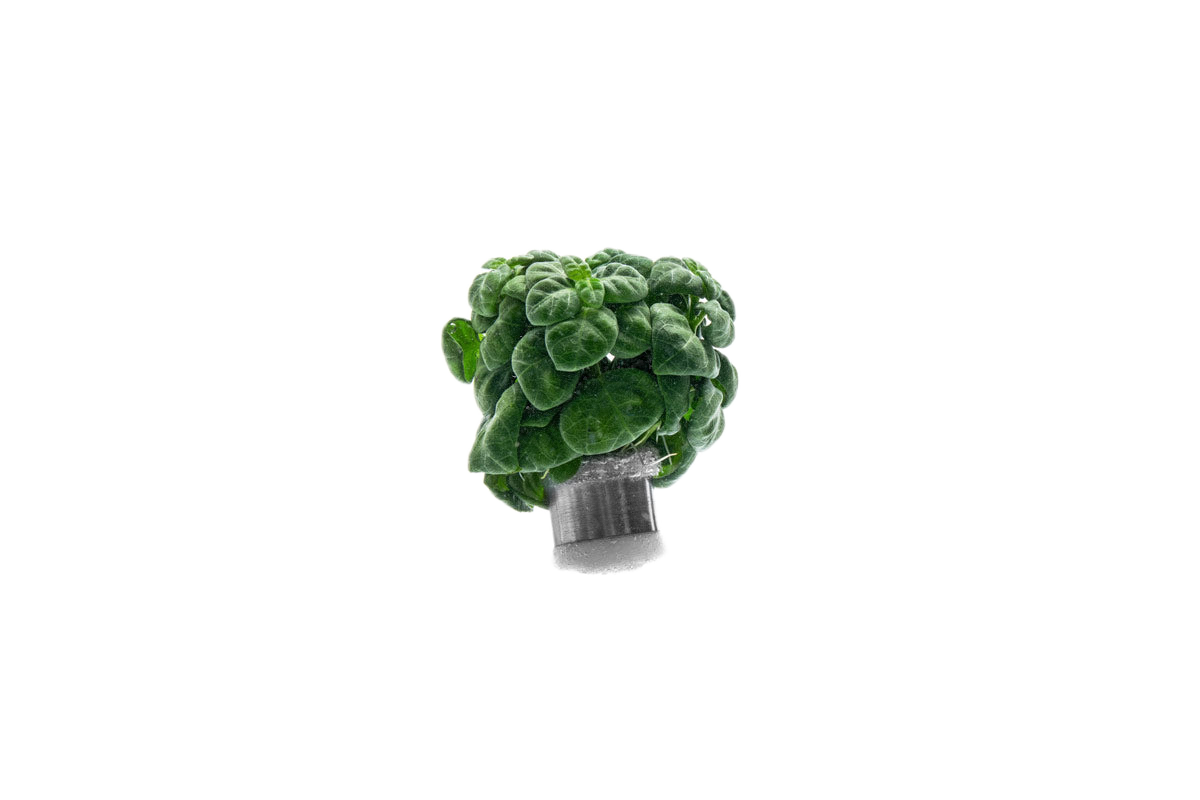
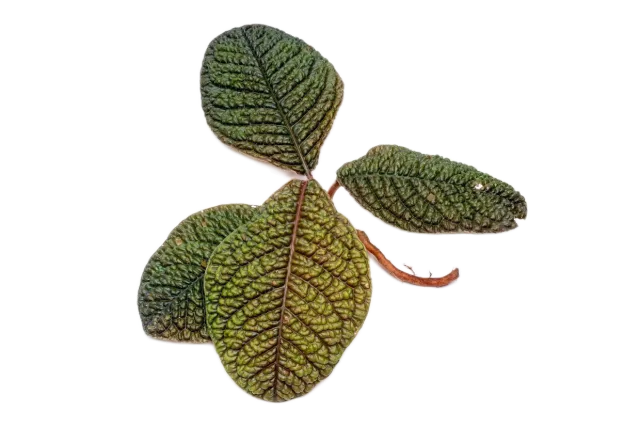
Dipteracanthus elastica (Bubble Plant) is a unique terrestrial plant with deep green, rounded, bubble-like leaves and a compact, dense habit for terrariums and paludariums. Easy and beginner-friendly, it needs bright indirect light, well-draining soil and good humidity, trailing along surfaces when mature; it will die if submerged.
Quick facts
Identity
- Also known as
- Bubble Plant
- Synonyms
- Strobilanthes alternata
- Environment
- Terrestrial
- Native to
- India, Southeast Asia, New Guinea
- Habitat
- Warm, humid shaded understory and groundcover areas in tropical and subtropical Asia
- Sourcing
- Captive-bred
- Conservation
- Not Evaluated
Care
- Care level
- Easy
- Growth form
- Vine
- Max height
- 2 – 8 in (5.1 – 20 cm)
- Spread
- 12 in (30 cm)
- Growth rate
- Moderate
- Placement
- Foreground, Carpet
Water
- Temperature
- 68 – 82 °F (20 – 28 °C)
- Humidity
- 60 – 90%
Planting
- Substrate
- Nutrient-rich preferred
- Feeds from
- Roots
- Fertilizer needs
- Medium
- Colors
- Green, Purple
Feeding & breeding
- Propagation
- Cuttings, Rhizome division
Something wrong or missing? Submit a correction
Care guide
Overview
Grown from stock originating in South and Southeast Asian understories, this cultivar develops rounded, bubble-textured leaves in deep green rather than the puckered purple foliage typical of the species. It forms a compact, dense mat before trailing as it matures, suiting foreground terrarium and paludarium placements. Keep it emersed in humid, well-draining soil under bright indirect light, since submersion is fatal.
Care
This creeping herbaceous plant produces deeply puckered leaves that are metallic green above and purple beneath, giving it a waffled texture. It stays low and spreads horizontally, rooting at nodes as it trails, which makes it useful as a groundcover in terrariums and paludariums. Bright but indirect light is needed to bring out the purple coloring, while direct sun tends to scorch the foliage. It is strictly a terrestrial or emersed plant and cannot tolerate being fully submerged in water for any length of time.
Planting & trimming
Plant in a well-draining, humidity-retentive terrarium or paludariium soil mix, keeping the crown at surface level rather than burying stems too deeply. It roots readily wherever a node touches moist substrate, so cuttings can simply be laid along the soil surface to establish new growth. Trim trailing stems periodically to maintain a dense, compact mat and to propagate new plantlets.
Fertilizing
A light dose of balanced liquid fertilizer diluted for foliage plants every few weeks supports steady growth in terrarium soil. Because it is grown emersed rather than in an aquarium substrate, root tabs are unnecessary; instead focus on a nutrient-rich, well-draining terrarium mix. Pale or fading purple coloration usually points to insufficient light rather than a nutrient deficiency, while yellowing leaves often signal overwatering.
Propagation
Propagation is easiest through stem cuttings, which root quickly when pressed into damp substrate, or by dividing an established clump and replanting the sections. Both methods succeed reliably given consistent humidity and moisture, making this one of the easier terrarium plants to multiply.
Problems
Root rot from waterlogged soil or standing water is the most common problem, so the substrate should stay moist but never saturated. Leaves that yellow are a sign of overwatering, while a shift from purple back to plain green indicates the plant needs brighter, indirect light. It does not experience the melt typical of true aquatic stem plants since it is never grown submerged.
Sources
More Terrarium Plants
Something wrong or missing? Submit a correction
In the community
Popular tanks using Dipteracanthus Elastica
No public tanks are showcasing Dipteracanthus Elastica yet.