
Moss
Willow Moss
Fontinalis antipyreticaFontinalaceaeMosses
Price: $7.99 USD
Add from My tanks →1 photos
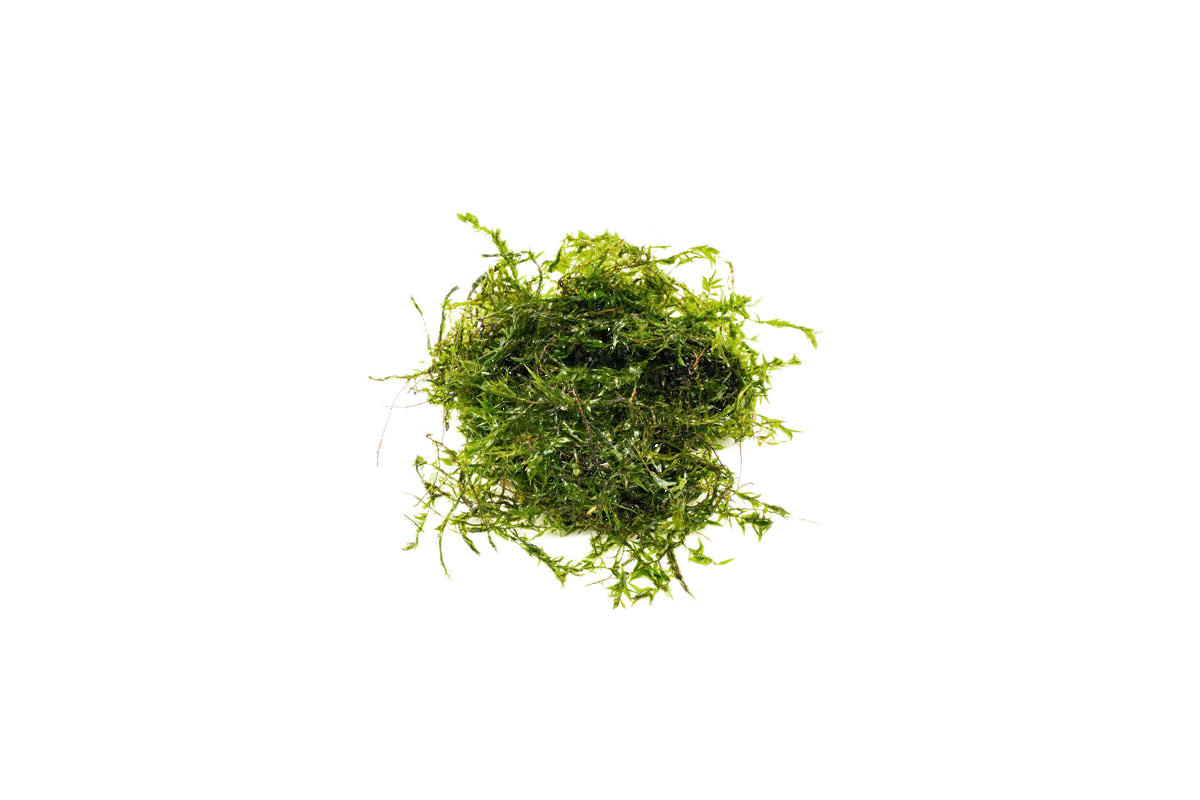
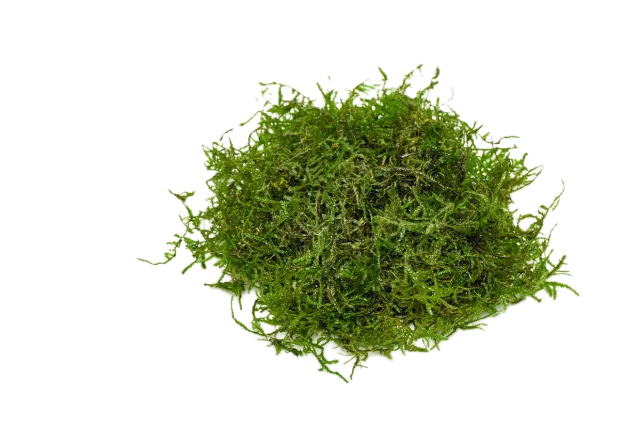
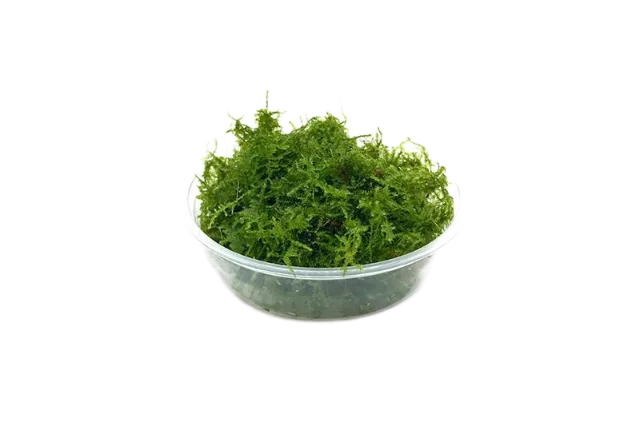
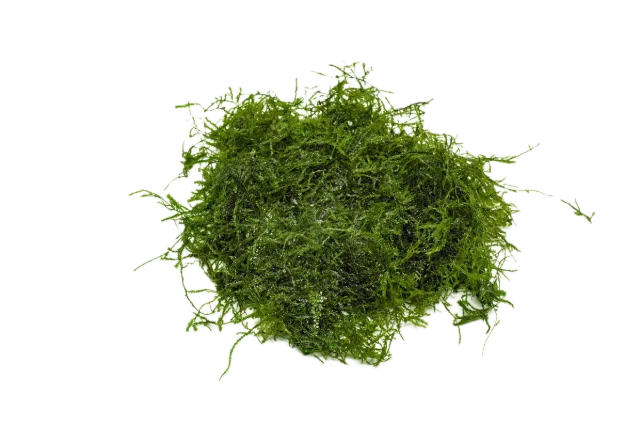
Willow Moss (Fontinalis antipyretica) is an easy aquatic moss with graceful, drooping fronds that cascade like willow branches, softening hardscape and sheltering shrimp and fry. It attaches to driftwood or rocks with thread or glue, prefers clean cool water and low to medium light, and propagates by division.
Quick facts
Identity
- Also known as
- Fountain moss; Water moss
- Synonyms
- Fontinalis antipyretica var. gigantea
- Environment
- Freshwater
- Native to
- Europe, North America, Northern Asia
- Habitat
- Cold, well-oxygenated streams, rivers, and lakes, attached to rocks and submerged wood in flowing or standing water
- Sourcing
- Aquacultured
- Conservation
- Not Evaluated
Care
- Care level
- Easy
- Growth form
- Moss
- Max height
- 2 – 8 in (5.1 – 20 cm)
- Spread
- 10 in (25 cm)
- Growth rate
- Slow
- Placement
- Midground, Background, Epiphyte
Water
- Temperature
- 50 – 75 °F (10 – 24 °C)
- pH
- 5.5 – 7.5
- GH
- 2 – 15 dGH
- dKH
- 0 – 15 dKH
- Flow
- Moderate
- Light
- Low
- CO₂
- Beneficial
Planting
- Substrate
- Not needed
- Feeds from
- Water column
- Fertilizer needs
- Low
- Colors
- Green, Brown
Feeding & breeding
- Propagation
- Splitting, Cuttings
Something wrong or missing? Submit a correction
Care guide
Overview
Fronds reach two to eight inches and trail outward in a loose, three-dimensional drape rather than a tight cushion, giving hardscape a soft, cascading look. Willow Moss anchors to wood or rock via rhizoids, favors cool to temperate unheated tanks, and prefers low to moderate light with steady moderate flow. It grows slowly and divides easily for propagation.
Care
Willow moss does best in cool to temperate water and is one of the few aquarium mosses that genuinely prefers unheated conditions, since sustained warmth above roughly 75°F causes it to thin, brown, and eventually melt. It tolerates a wide range of light from low to fairly high but grows most cleanly under low to moderate intensity, as strong light without matching flow and nutrients tends to invite algae on its fine fronds. Moderate water movement keeps detritus from settling in the dense mat and helps the shoots grow in their natural trailing, three-dimensional form rather than clumping flat.
Planting & trimming
Tie or glue a thin, even layer of moss to driftwood, rock, or mesh rather than burying it, since it attaches to hard surfaces with rhizoids over a few weeks and will rot if planted in substrate. Trim every few weeks to keep the mat compact and to remove any lower growth that has thinned out from lack of light. It works well as a midground or background accent draped over hardscape, or wedged into crevices for a more textured look.
Fertilizing
Most of its nutrition is absorbed directly from the water column rather than through roots, since it has none in the true sense, only rhizoids for anchoring. Light, steady dosing of a liquid fertilizer with iron and trace elements supports denser growth, while a nutrient-rich substrate is unnecessary since it is grown attached to hardscape. CO2 is not required but a modest supplement can firm up growth and produce a tighter, darker green mat.
Propagation
Propagation is done by physically dividing an established clump into smaller sections and reattaching each piece to new hardscape. Because growth is slow to moderate, new divisions take a few weeks to visibly fill in and anchor themselves. Cuttings can also simply be draped loosely over rock or wood in a low-flow area where they will eventually take hold on their own.
Problems
The most common problem is melt or browning caused by keeping the moss too warm for too long, which is easy to mistake for a nutrient issue when it is really a temperature one. Algae fouling is the other frequent complaint, usually from pairing high light with slow growth and insufficient flow or fertilization to keep pace. Trimming away blackened or algae-covered sections and improving circulation typically resolves both issues within a few weeks.
Sources
More Mosses
Something wrong or missing? Submit a correction
In the community
Popular tanks using Willow Moss
No public tanks are showcasing Willow Moss yet.