
Moss
Fissidens Fontanus
Fissidens fontanusFissidentaceaeMosses
Price: $11.99 USD
Add from My tanks →1 photos
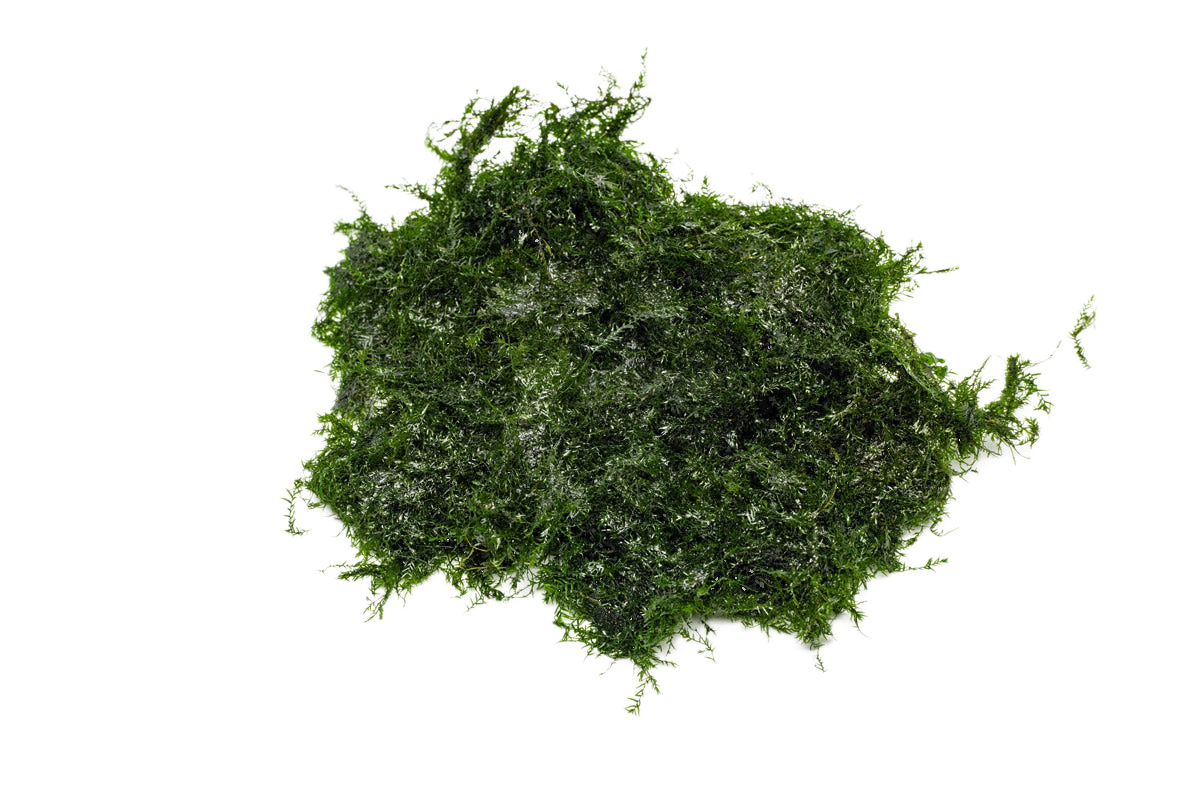
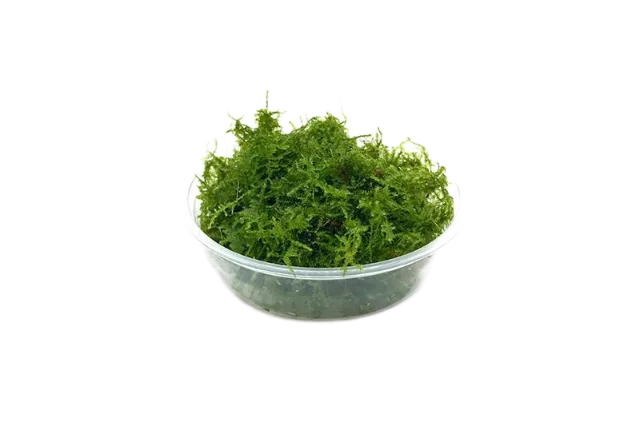
Phoenix Moss (Fissidens fontanus) is a gorgeous green aquatic moss with delicate fronds like downy baby-bird feathers. Highly adaptable and virtually maintenance-free once settled, it anchors itself to rocks, driftwood, or substrate with strong rhizoids; prefers cool, clean, oxygen-rich water.
Quick facts
Identity
- Also known as
- Fissidens Moss; Phoenix Moss
- Synonyms
- Fissidens geminiflorus var. fontanus
- Environment
- Freshwater
- Native to
- North America, Asia, South America
- Habitat
- Clear, cool rivers and streams with weak to moderate current, growing attached to submerged rocks, wood, and shaded banks
- Sourcing
- Aquacultured
- Conservation
- Not Evaluated
Care
- Care level
- Easy
- Growth form
- Moss
- Max height
- 2 in (5.1 cm)
- Spread
- 6 in (15 cm)
- Growth rate
- Slow
- Placement
- Foreground, Midground, Epiphyte
Water
- Temperature
- 65 – 77 °F (18 – 25 °C)
- pH
- 5.5 – 7.5
- GH
- 2 – 15 dGH
- dKH
- 0 – 14 dKH
- Flow
- Low-Moderate
- Light
- Low
- CO₂
- Beneficial
Planting
- Substrate
- Not needed
- Feeds from
- Water column
- Fertilizer needs
- Low
- Colors
- Green
Feeding & breeding
- Propagation
- Splitting, Cuttings
Something wrong or missing? Submit a correction
Care guide
Overview
Suited to aquascapers wanting a fine-textured epiphyte rather than a fast carpeting moss, this species is tied or glued to driftwood and rock where its feathery, dark green fronds form a low, fountain-shaped mat over weeks to months. Growth stays slow and compact, tightening up further in cooler, well-oxygenated water. Rarely melts, making it forgiving for less experienced keepers.
Care
Phoenix moss is an undemanding epiphyte that does best tied or wedged onto driftwood or rock rather than buried, since its rhizoids need a hard surface to grip. It tolerates a wide temperature range but produces its tightest, most feathery growth in cooler, well-oxygenated water with gentle to moderate flow. Low light is sufficient for survival, though moderate light and CO2 supplementation noticeably speed up growth and thicken the fronds without turning them leggy.
Planting & trimming
Attach small clumps to driftwood, rock, or mesh using thread, fine fishing line, or superglue gel until rhizoids take hold, which usually takes several weeks. Avoid burying the moss in substrate, as this promotes rot rather than attachment. Trim lightly with fine scissors to maintain the rounded, fountain-like shape and to remove any debris trapped within the mat.
Fertilizing
Most nutrition is drawn directly from the water column rather than substrate, so consistent liquid fertilization matters more than root tabs. A porous or nutrient-rich substrate beneath the hardscape can still help by slowly releasing nutrients nearby, but it is not required. Pale or thinning fronds usually point to insufficient nitrate, phosphate, or trace iron rather than a lighting problem.
Propagation
Propagation is done by dividing established mats or clipping off small daughter portions and re-attaching them to new hardscape. Growth regenerates from the cut edges regardless of orientation, so fragments can simply be pressed or tied onto a new surface. Because growth is slow, new colonies take weeks to months to fill in and form the characteristic dome shape.
Problems
Debris and detritus can settle deep within the dense fronds if flow is too weak or the tank is poorly filtered, encouraging algae growth on the moss itself. Keeping water clean and maintaining steady but not excessive current helps prevent this buildup. Unlike some faster mosses, Fissidens rarely melts after planting, but poor water quality can cause fronds to blacken and shed over time.
Sources
More Mosses
Something wrong or missing? Submit a correction
In the community
Popular tanks using Fissidens Fontanus
No public tanks are showcasing Fissidens Fontanus yet.