
Aquatic Plant
Pearl Moss
Plagiomnium cf. affineMniaceaeMosses
Price: $20.99 USD
Add from My tanks →1 photos
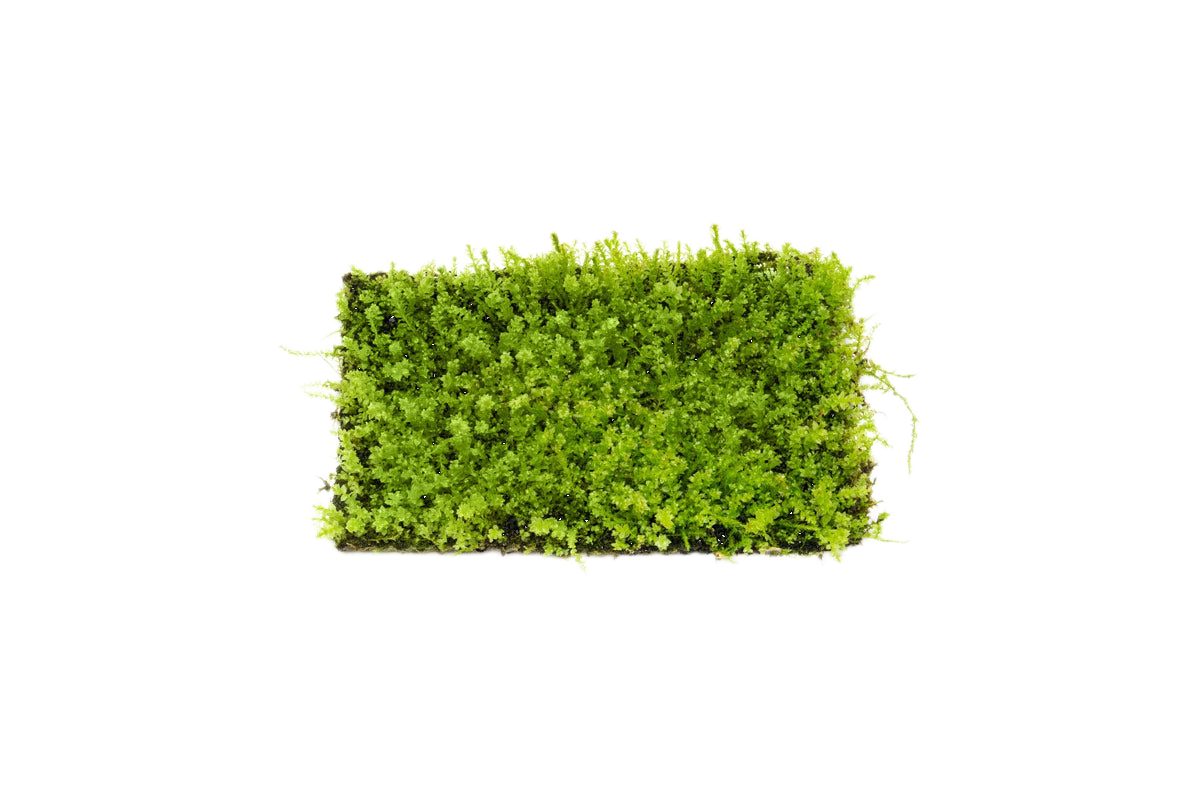
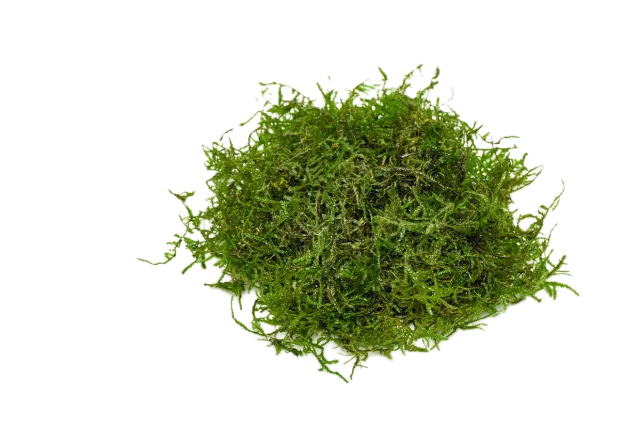
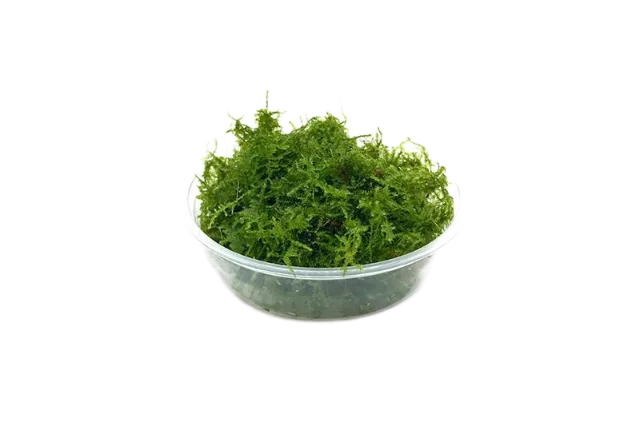
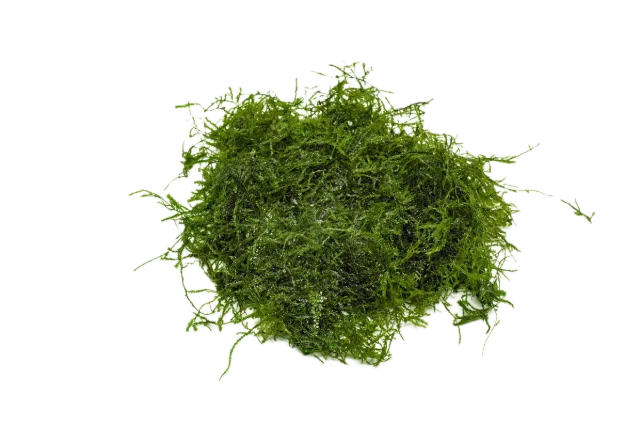
Pearl Moss (Plagiomnium cf. affine) is a slow-growing aquatic moss with tiny, round leaves that stack into a glistening, pearl-like texture, making it a good fit for nano tanks. It attaches to hardscape with thread or aquarium-safe glue, prefers clean, cool water (65-78°F) and low to medium light, with optional CO2 for faster, denser growth.
Quick facts
Identity
- Also known as
- Plagiomnium moss
- Synonyms
- Plagiomnium affine
- Environment
- Freshwater
- Native to
- Europe
- Habitat
- Grows on damp rocks, wood, and soil in temperate woodlands; adapted to submersed cultivation in aquascaping
- Sourcing
- Aquacultured
- Conservation
- Not Evaluated
Care
- Care level
- Moderate
- Growth form
- Moss
- Max height
- 0.5 – 2 in (1.3 – 5.1 cm)
- Spread
- 4 in (10 cm)
- Growth rate
- Slow
- Placement
- Midground, Epiphyte
Water
- Temperature
- 65 – 78 °F (18 – 26 °C)
- pH
- 6.0 – 7.5
- dKH
- 2 – 10 dKH
- Flow
- Low-Moderate
- Light
- Medium
- CO₂
- Beneficial
Planting
- Substrate
- Not needed
- Feeds from
- Water column
- Fertilizer needs
- Medium
- Colors
- Green
Feeding & breeding
- Propagation
- Splitting
Something wrong or missing? Submit a correction
Care guide
Overview
Stacks its small round leaflets into upright shoots, building a beaded texture quite unlike feathery aquarium mosses. Growth is slow, so it holds its shape on driftwood or rock with minimal trimming once anchored by thread or glue. Suits nano tanks with cool-to-moderate, low-flow water and medium lighting, with CO2 optional for denser growth.
Care
Pearl moss forms upright shoots with distinctive round, stacked leaflets that give it a beaded or pearl-like texture unlike the feathery look of most aquarium mosses. It is a very slow grower and needs patience, but once established it holds its shape well and needs little trimming. Medium lighting and stable, cool-to-moderate water temperatures keep the foliage compact and healthy, while low light merely slows growth further rather than harming the plant.
Planting & trimming
Tie small portions to rocks or driftwood with thread or fine fishing line, or attach with aquarium-safe cyanoacrylate gel glue, and leave it undisturbed for several weeks to anchor itself. Do not bury the rhizoids or shoots in substrate, since the plant attaches and photosynthesizes from an exposed position on hardscape. Trimming is rarely needed given the very slow growth rate, though stray shoots can be snipped to maintain shape.
Fertilizing
Liquid fertilization with a balanced micro and macro nutrient mix supports steady growth, since the rhizoids serve mainly for attachment rather than nutrient uptake. Root tabs are not necessary given the plant absorbs nutrients through its leaves from the water column. CO2 supplementation is optional but noticeably speeds up growth and improves leaf density; without it the moss simply grows more slowly and sparsely.
Propagation
New plants are produced by splitting a mature cushion into smaller portions and reattaching each piece to hardscape. Daughter plantlets that form at the margins of older growth can also be separated once large enough to survive on their own. Because growth is very slow, propagation and recovery after division both take considerably longer than with faster mosses like Java moss.
Problems
Melting is uncommon but can occur if water parameters swing suddenly or if the moss is kept in overly warm water for extended periods. Poor flow or heavy detritus buildup among the dense leaflets can encourage algae or biofilm accumulation, so occasional gentle rinsing during maintenance helps. Because growth is so slow, any decline is easy to miss until a section browns off, so periodic close inspection is worthwhile.
Sources
More Mosses
Something wrong or missing? Submit a correction
In the community
Popular tanks using Pearl Moss
No public tanks are showcasing Pearl Moss yet.