Moss
Christmas Moss
Vesicularia montagneiHypnaceaeMosses
Price: $15.99 USD
Add from My tanks →1 photos
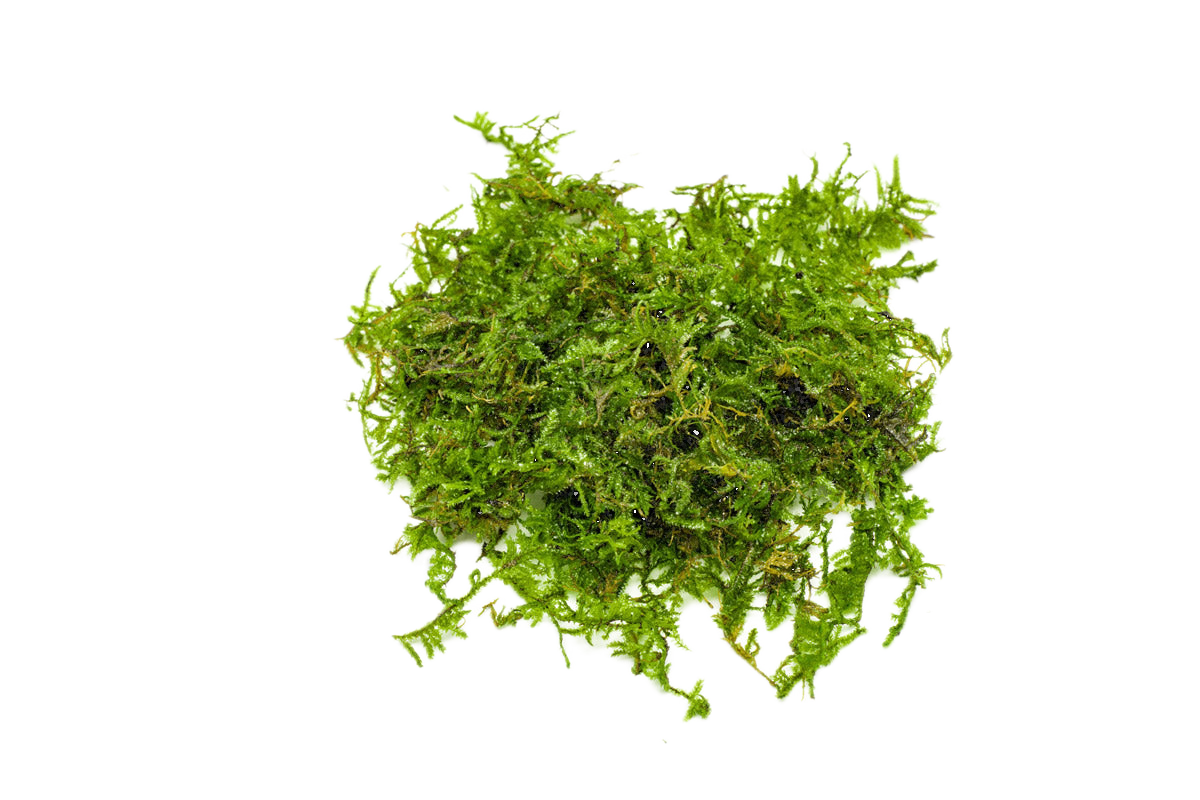
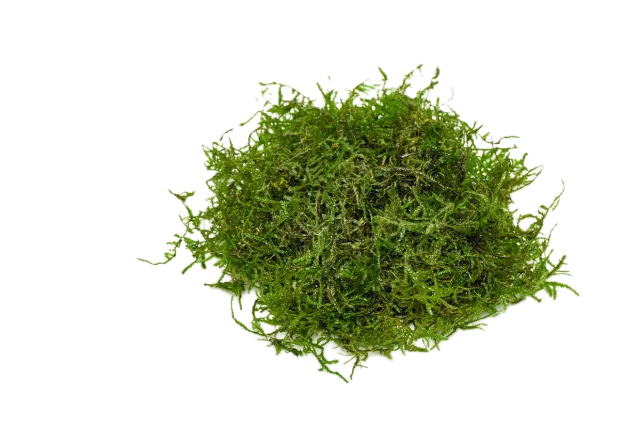
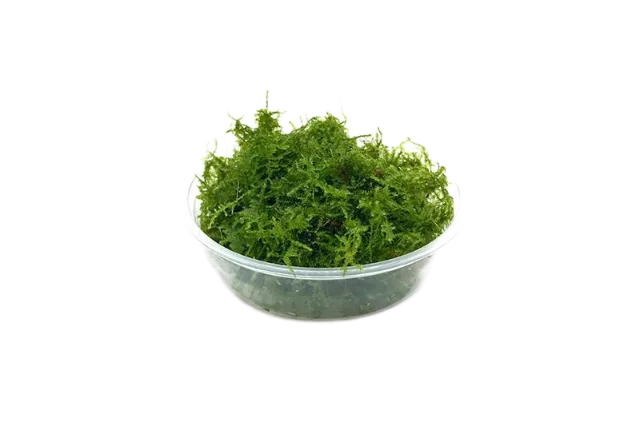
Christmas Moss (Vesicularia montagnei) is famous for its bold green color and distinct triangular fronds resembling tiny pine trees. One of the most versatile beginner aquarium plants: attaches to driftwood and stone, fills hardscape gaps, and creates lush canopy for shrimp and fry; low to medium light, CO2 optional.
Quick facts
Identity
- Also known as
- Brazilian Willow Moss; Christmas Tree Moss
- Synonyms
- Vesicularia dubyana 'Christmas'
- Environment
- Freshwater
- Native to
- Indonesia, Philippines, Solomon Islands, Papua New Guinea, Southeast Asia
- Habitat
- Slow-flow tropical rivers, marshes, and moist shaded riverbanks or forest soil, often found growing emersed in the wild
- Sourcing
- Both
- Conservation
- Not Evaluated
Care
- Care level
- Moderate
- Growth form
- Moss
- Max height
- 0.5 – 2 in (1.3 – 5.1 cm)
- Spread
- 6 in (15 cm)
- Growth rate
- Moderate
- Placement
- Foreground, Midground, Epiphyte
Water
- Temperature
- 64 – 82 °F (18 – 28 °C)
- pH
- 5.5 – 7.5
- GH
- 2 – 15 dGH
- Flow
- Low-Moderate
- Light
- Medium
- CO₂
- Beneficial
Planting
- Substrate
- Not needed
- Feeds from
- Water column
- Fertilizer needs
- Low
- Colors
- Green
Feeding & breeding
- Propagation
- Rhizome division, Cuttings
Something wrong or missing? Submit a correction
Care guide
Overview
Branches into tight, triangular fronds that thicken into a moss mat within weeks of attachment to wood or stone. It grazes nutrients directly from the water column, needs no substrate, and holds a deep green under medium light with steady low-to-moderate flow. Periodic thinning keeps the mat from trapping detritus at its base.
Care
Christmas moss attaches readily to driftwood, rock, or mesh with thread or cyanoacrylate gel and fills in as a dense mat within a few weeks. It tolerates a wide range of light but produces the tightest, most fir-like branching pattern under medium light with stable, steady flow. Trim loose or shaded interior growth periodically to keep the mat from smothering itself and to encourage fresh, well-branched tips.
Planting & trimming
Spread a thin layer of moss over wood or stone and secure it with cotton thread, fine fishing line, or a small dot of aquarium-safe gel glue; thick clumps often rot underneath before they attach. Give it several weeks to root into the hardscape before removing ties. It also tolerates being wedged into crevices or grown loose as a floating mat, and can transition to emersed growth in paludariums or on damp hardscape above the waterline.
Fertilizing
Most nutrition is absorbed from the water column rather than the substrate, so a nutrient substrate is not required. Light, regular dosing of a liquid fertilizer containing iron and micronutrients keeps the fronds a deep green and prevents pale or thin growth. Excess nutrients paired with low flow tend to invite algae more than they help the moss, so moderation is preferable to heavy dosing.
Propagation
Propagation is done by dividing established mats into smaller sections and reattaching them to new hardscape. Loose cuttings removed during routine trimming can simply be tied down elsewhere and will continue growing without special treatment.
Problems
Dense, untrimmed mats trap detritus and can develop dark, decaying patches at the base if flow is poor, so periodic thinning helps. Loose fragments break off easily and drift into neighboring plants or filter intakes, which is how the moss often spreads unintentionally. Stagnant, overly warm water tends to produce sparse, leggy growth rather than the tight triangular fronds the plant is known for.
Sources
More Mosses
Something wrong or missing? Submit a correction
In the community