
Moss
Weeping Moss
Taxiphyllum ferrieiHypnaceaeMosses
Price: $28.99 USD
Add from My tanks →1 photos
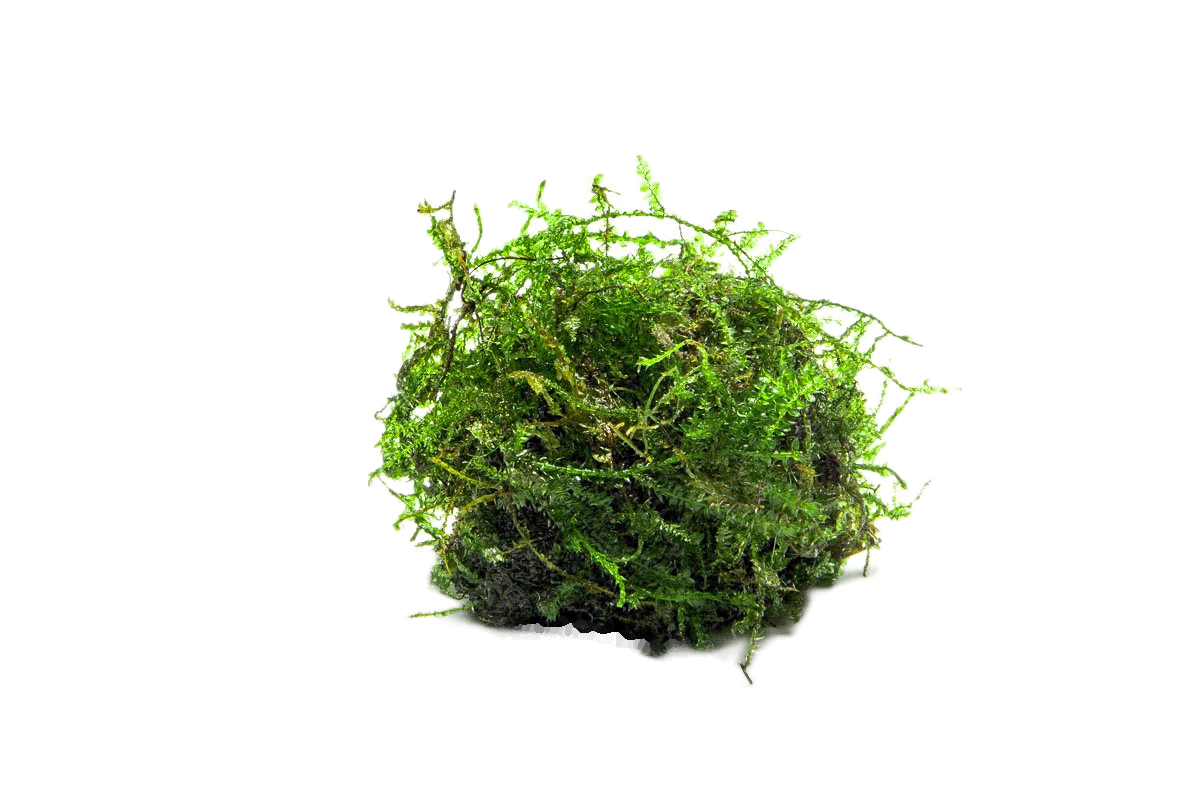
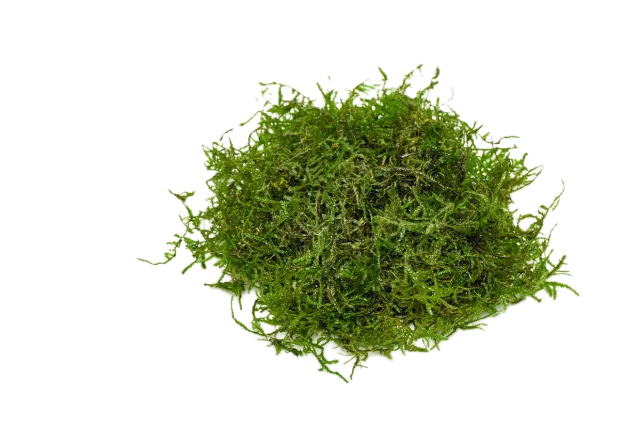
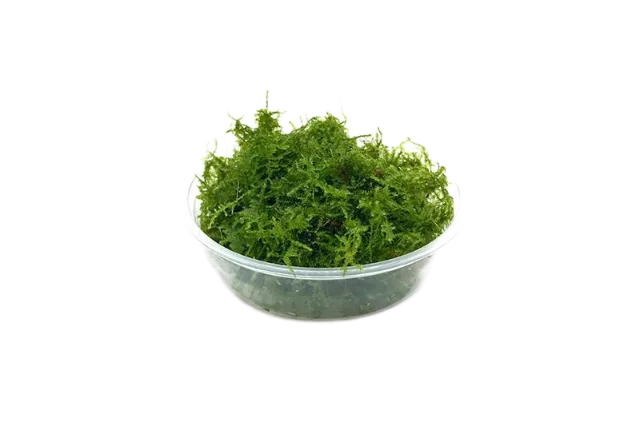
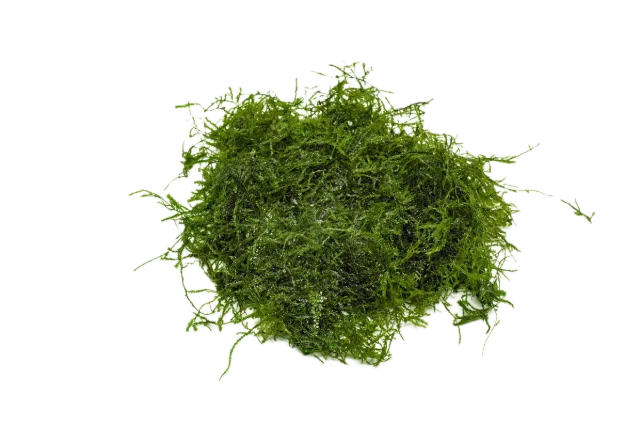
Weeping Moss (Taxiphyllum ferriei Weeping) is highly sought after for its distinct downward-hanging growth that creates a stunning cascading effect. It can carpet substrate or be wrapped around elevated driftwood and stacked rocks to form a living green canopy or waterfall; it is easy care in low to medium light with optional CO2.
Quick facts
Identity
- Also known as
- Weeping Willow Moss
- Synonyms
- Vesicularia ferriei
- Environment
- Freshwater
- Native to
- China, Japan
- Habitat
- Wet rocks, moist riverbanks, and wet soil near small streams in shaded, humid environments
- Sourcing
- Both
- Conservation
- Not Evaluated
Care
- Care level
- Easy
- Growth form
- Moss
- Max height
- 1.2 in (3 cm)
- Spread
- 6 in (15 cm)
- Growth rate
- Slow
- Placement
- Epiphyte, Midground, Foreground
Water
- Temperature
- 59 – 86 °F (15 – 30 °C)
- pH
- 5.0 – 7.0
- dKH
- 0 – 14 dKH
- Flow
- Low-Moderate
- Light
- Low
- CO₂
- Beneficial
Planting
- Substrate
- Not needed
- Feeds from
- Water column
- Fertilizer needs
- Low
- Colors
- Green
Feeding & breeding
- Propagation
- Splitting, Cuttings
Something wrong or missing? Submit a correction
Care guide
Overview
Collected from shaded streambanks in China and Japan, this moss is prized for shoots that hang downward rather than spreading flat once mounted above the substrate. Growth is slow and easy, tolerating low light but forming its tightest, most cascading mats under moderate-to-high light with steady CO2 and flow. Attach thinly to elevated wood or rock for the drooping canopy effect.
Care
Weeping Moss is an undemanding epiphyte that adapts to a wide range of light levels, though moderate to high light combined with good flow and CO2 produces the tightest, most compact growth with the signature drooping shoots. Under low light it tends to grow more loosely and horizontally rather than cascading downward. It does best when attached to elevated wood or rock so the new shoots can hang freely, which is what creates the weeping willow effect it is named for.
Planting & trimming
Attach thin layers of moss to driftwood or rock using fishing line, cotton thread, moss netting, or cyanoacrylate super glue, ideally in an elevated position so new shoots can droop downward unobstructed. It will self-attach over several weeks as rhizoids grip the surface, after which ties can be removed. Trimming the outer edges encourages denser branching and helps maintain the cascading silhouette as it matures.
Fertilizing
Most nutrition is absorbed from the water column rather than through roots, so liquid fertilizers and stable CO2 or trace element dosing matter more than substrate fertilizer. A nutrient-rich substrate is not required since the moss is typically mounted above the substrate on hardscape. Pale or thin, stringy growth usually points to insufficient light or a lack of trace nutrients, especially iron.
Propagation
New plants are produced by cutting off healthy daughter shoots or splitting an established mat into smaller portions, then reattaching the divisions to fresh hardscape. Growth is slow, so propagation is a gradual process compared with faster mosses.
Problems
Thick clumps attached all at once often suffer die-off in the lower, shaded layers from reduced light and poor water circulation, so thin portions are recommended when first tying it down. Slow growth combined with low flow can also allow debris and algae to accumulate within the moss mat. Genuine weeping moss is frequently mislabeled in the trade, with other faster or slower growing mosses sold under the same name, which can lead to confusion when growth habits do not match expectations.
Sources
More Mosses
Something wrong or missing? Submit a correction
In the community
Popular tanks using Weeping Moss
No public tanks are showcasing Weeping Moss yet.