
Aquatic Plant
Vesicularia Sp Anchor Moss
Vesicularia sp.HypnaceaeMosses
Price: $8.99 USD
Add from My tanks →1 photos
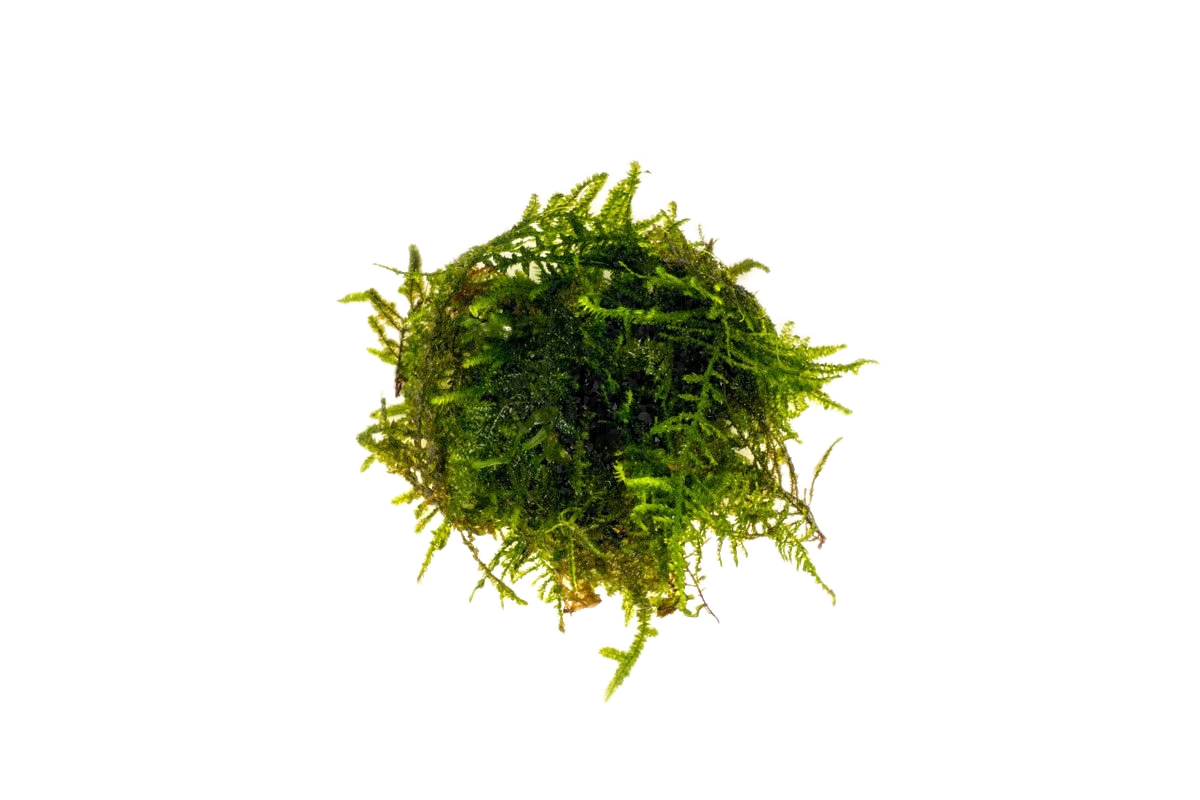
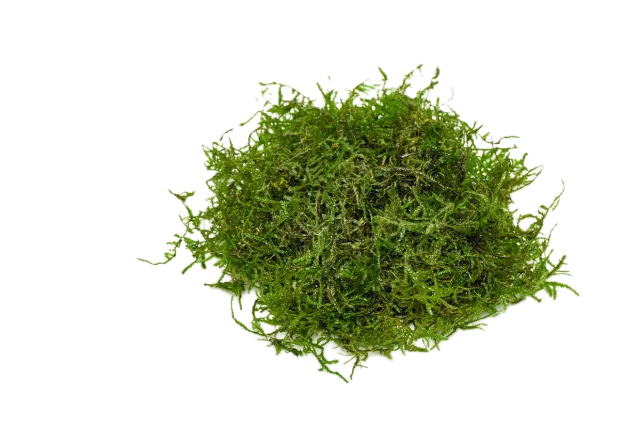
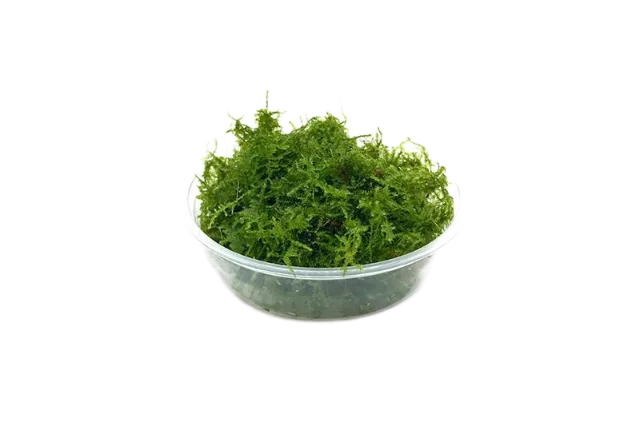
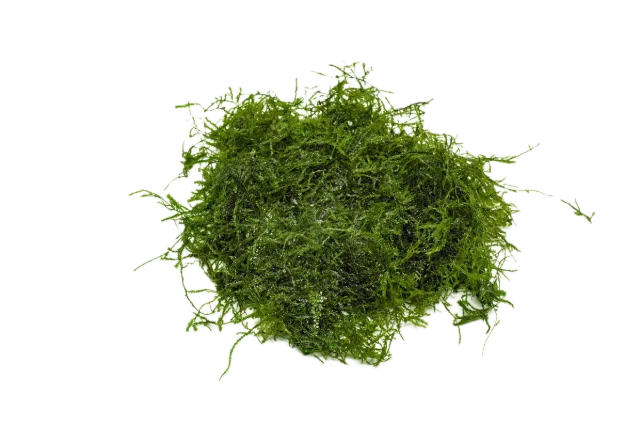
Anchor Moss (Vesicularia Sp) is a very densely ramified, bushy moss with a soft, delicate texture and stems shooting out at nearly right angles, giving a Christmas pine-tree-like effect. It attaches well to substrate, logs, or rocks and suits foreground or midground placement; care is easy with wide light tolerance and optional CO2.
Quick facts
Identity
- Also known as
- Pine Moss
- Synonyms
- Vesicularia sp. "Anchor"
- Environment
- Freshwater
- Native to
- Southeast Asia
- Habitat
- Grows on rocks, wood, and detritus along the banks of rivers, streams, and swamps in slow to moderate flow
- Sourcing
- Aquacultured
- Conservation
- Not Evaluated
Care
- Care level
- Easy
- Growth form
- Moss
- Max height
- 0.5 – 2 in (1.3 – 5.1 cm)
- Spread
- 6 in (15 cm)
- Growth rate
- Slow
- Placement
- Foreground, Midground, Epiphyte
Water
- Temperature
- 59 – 86 °F (15 – 30 °C)
- pH
- 5.0 – 7.0
- dKH
- 0 – 14 dKH
- Flow
- Low-Moderate
- Light
- Low
- CO₂
- Beneficial
Planting
- Substrate
- Not needed
- Feeds from
- Water column
- Fertilizer needs
- Low
- Colors
- Green
Feeding & breeding
- Propagation
- Splitting, Cuttings
Something wrong or missing? Submit a correction
Care guide
Overview
Anchor Moss is a slow-growing Vesicularia species named for its distinctive right-angled branching, which builds dense, tiered clumps resembling miniature pine sprigs. It tolerates low to high light without CO2, tying onto wood or rock rather than rooting in substrate. Minimal trimming keeps mats compact, making it well suited to nano foreground or midground hardscape.
Care
Anchor moss is an easy, forgiving moss recognizable by its right-angled branching pattern, which gives mature clumps a tiered, pine-branch look. It tolerates a wide light range from low to high and does not require CO2, though a bit of supplementation speeds up its naturally slow growth. Because growth is unhurried it stays tidy with minimal trimming, making it a low-maintenance choice for nano tanks and hardscape work.
Planting & trimming
Anchor moss is not planted in substrate but tied or glued onto driftwood, rock, or mesh, where fine rhizoids gradually take hold over several weeks. Small portions spread thinly across a surface fill in faster and more evenly than one thick clump. Occasional light trimming keeps the cushion compact and encourages denser branching rather than long, straggly shoots.
Fertilizing
Root tabs are unnecessary since this moss draws nutrients from the water column through its leaves and rhizoids rather than true roots. A weekly dose of a liquid all-in-one fertilizer supplies nitrogen, potassium, and trace iron, supporting denser, greener growth. Yellowing fronds or stalled growth usually point to a nutrient shortfall rather than disease, so adjusting the dosing schedule is the first fix to try.
Propagation
New plants are made by simply cutting off healthy daughter shoots or dividing an established cushion and re-attaching the pieces to fresh hardscape. Nearly any trimmed fragment with intact stems will reattach and grow into a new patch given time. This makes it easy to bulk up coverage from a single starter portion or trade cuttings with other hobbyists.
Problems
The most frequent complaint is algae fouling the fine fronds, usually traceable to excess light relative to available nutrients and flow. Reducing photoperiod, boosting fertilization, and improving circulation around the moss cushion typically resolves it. Some fronds may brown and shed after initial attachment as the plant adjusts, and these should be trimmed away to keep the mat clean.
Sources
More Mosses
Something wrong or missing? Submit a correction
In the community
Popular tanks using Vesicularia Sp Anchor Moss
No public tanks are showcasing Vesicularia Sp Anchor Moss yet.