
Aquatic Plant
Vallisneria Nana
Vallisneria nanaHydrocharitaceaeVallisneria
Price: $20.97 USD
Add from My tanks →1 photos
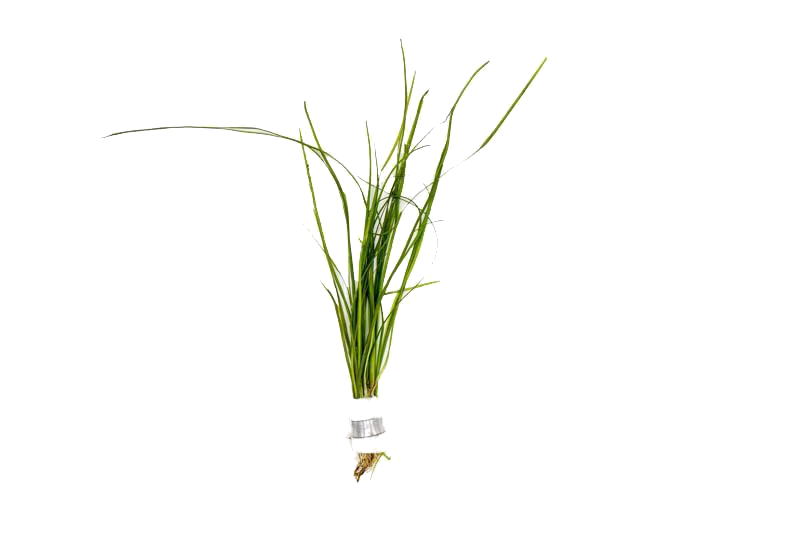
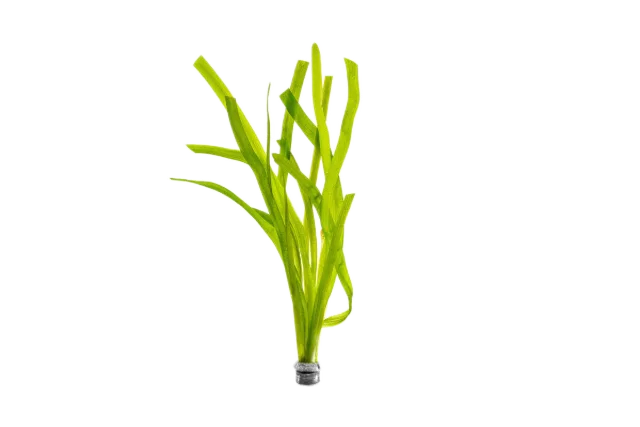
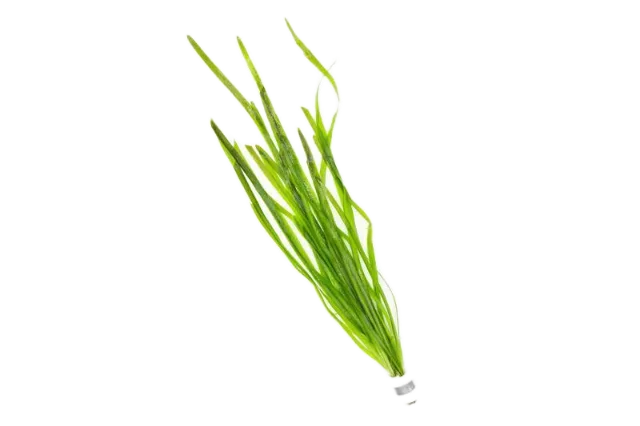
Vallisneria Nana (Vals Nana) is a thin-leaf, grass-like Vallisneria that looks more like tall hairgrass than other vals. A perfect fast-growing background plant creating a jungle-like appearance, it spreads along side shoots and is a nutrient-loving plant that anchors deep into the substrate.
Quick facts
Identity
- Also known as
- Narrow-leaf val; Dwarf val; Native val; Nana vallis
- Synonyms
- Vallisneria sp. 'Nana'
- Environment
- Freshwater
- Native to
- Australia, Papua New Guinea, Philippines, Cambodia, New Caledonia
- Habitat
- Slow-moving rivers, streams, and billabongs with clear water and sandy or muddy substrate in tropical northern Australia and nearby regions
- Sourcing
- Aquacultured
- Conservation
- Not Evaluated
Care
- Care level
- Easy
- Growth form
- Rosette
- Max height
- 6 – 16 in (15 – 41 cm)
- Spread
- 4 in (10 cm)
- Growth rate
- Fast
- Placement
- Background, Midground
Water
- Temperature
- 68 – 82 °F (20 – 28 °C)
- pH
- 6.5 – 8.0
- GH
- 3 – 18 dGH
- PAR
- 30 – 80 PAR
- Flow
- Low-Moderate
- Light
- Medium
- CO₂
- Beneficial
Planting
- Substrate
- Nutrient-rich preferred
- Feeds from
- Roots
- Fertilizer needs
- Medium
- Colors
- Green
Feeding & breeding
- Propagation
- Runners
Something wrong or missing? Submit a correction
Care guide
Overview
Thin, grass-like ribbons set this val apart from bulkier Vallisneria species, giving it a texture closer to tall hairgrass. Grown as a background rosette, it sends out runners to fill in a dense curtain over time, rooting deep and drawing nutrients mainly through the substrate. It grows quickly under moderate light and tolerates a broad range of water parameters.
Care
Narrow ribbon leaves give this val a finer, grassier texture than common Vallisneria species, making it a good fit for backgrounds in smaller and mid-size aquariums as well as larger tanks. It tolerates a wide swing of pH and hardness and does not require CO2 injection, though supplementation speeds growth and produces denser stands. Provide moderate to intense lighting for compact growth; under weak light the leaves stretch and become thinner. Avoid trimming leaf tips, since cut ends brown back — remove whole leaves at the base instead if length needs to be managed.
Planting & trimming
Push the fibrous roots into the substrate while keeping the white crown at or just above the surface, since burying the crown causes the plant to push itself back up over several days. Space small clusters of 5-10 plants for a fuller curtain effect along the back or sides of the tank. Runners will fill in gaps on their own once established, so initial spacing can be modest.
Fertilizing
Feeds primarily through its root system, so nutrient-rich substrate or root tabs placed near the crown are the most effective way to supply iron and other nutrients. Liquid fertilizers help too, especially in tanks without much fish waste to draw on. Pale or yellowing new leaves usually point to iron deficiency and respond well to root tab dosing.
Propagation
Spreads readily by sending out horizontal runners that produce new plantlet rosettes, which can be left attached to form a dense colony or separated and replanted once they have their own root systems. Propagation from leaf clusters or offshoots without substrate is also possible, though rooted growth is more reliable long-term.
Problems
Glutaraldehyde-based liquid carbon products (such as Excel) can cause rapid melting and decay in this species, so they should be avoided or used at reduced dosing. Iron deficiency shows up as pale or chlorotic new growth. New plantings often pause for a few weeks while converting from emersed nursery growth to submersed leaves, and the thinner leaves that follow are normal rather than a sign of decline.
Sources
More Vallisneria
Something wrong or missing? Submit a correction
In the community
Popular tanks using Vallisneria Nana
No public tanks are showcasing Vallisneria Nana yet.