
Aquatic Plant
Vallisneria Americana
Vallisneria americanaHydrocharitaceaeVallisneria
Price: $20.37 USD
Add from My tanks →1 photos
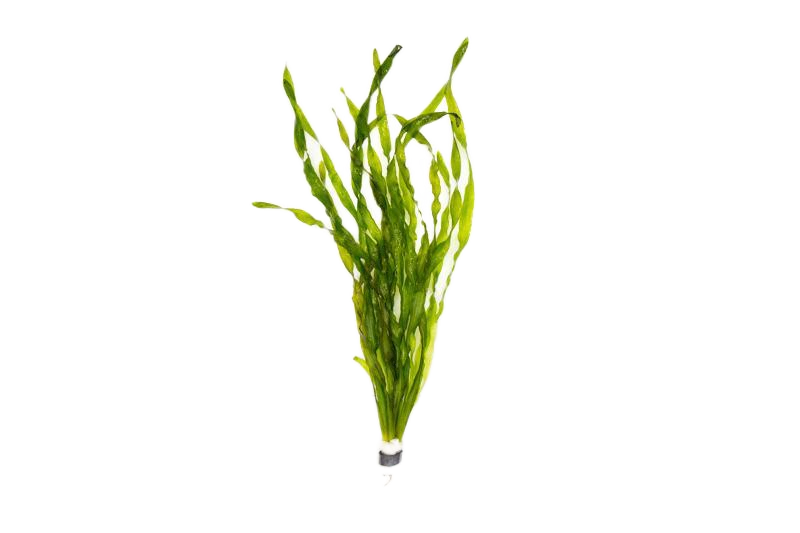
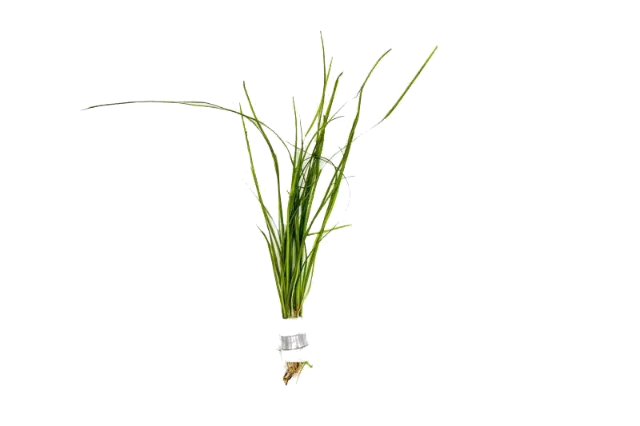
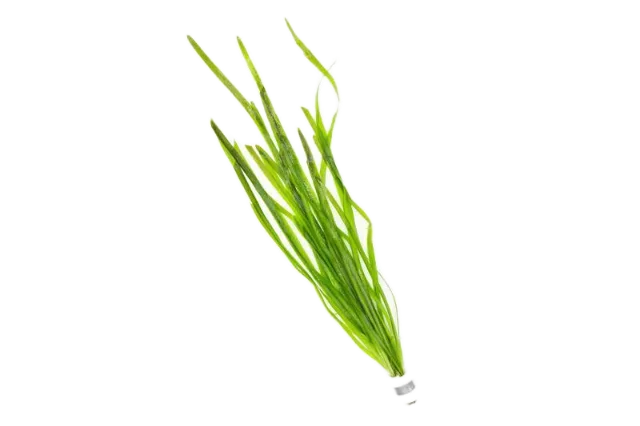
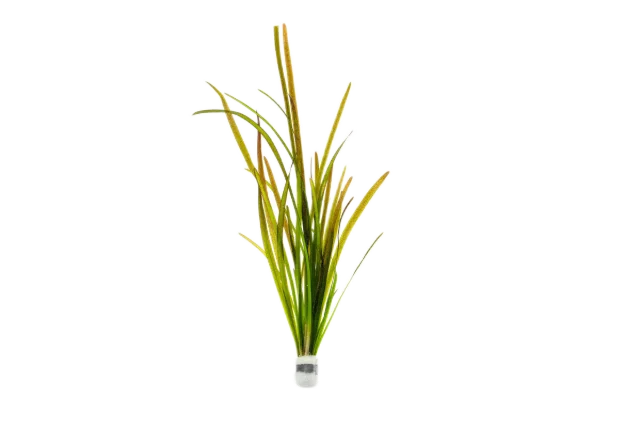
Vallisneria Americana (Jungle Val) is a popular, fast-growing background plant with long, twisted leaves that create a spectacular effect when fully grown. It grows very large and tall, making it suitable for larger planted aquariums, propagates easily via lateral shoots, and tolerates some levels of salinity.
Quick facts
Identity
- Also known as
- Tape grass; Eelgrass; Water celery
- Synonyms
- Vallisneria gigantea
- Environment
- Freshwater
- Native to
- United States, Canada, Central America, South America
- Habitat
- Shallow, slow-moving lakes, ponds, streams and brackish bays, usually under ten feet of water, forming dense meadows.
- Sourcing
- Aquacultured
- Conservation
- Not Evaluated
Care
- Care level
- Easy
- Growth form
- Rosette
- Max height
- 6 – 60 in (15 – 152 cm)
- Spread
- 12 in (30 cm)
- Growth rate
- Fast
- Placement
- Background
Water
- Temperature
- 64 – 82 °F (18 – 28 °C)
- pH
- 6.5 – 8.5
- GH
- 4 – 18 dGH
- dKH
- 4 – 18 dKH
- PAR
- 30 – 80 PAR
- Flow
- Low-Moderate
- Light
- Medium
- CO₂
- Not needed
Planting
- Substrate
- Nutrient-rich preferred
- Feeds from
- Roots
- Fertilizer needs
- Medium
- Colors
- Green
Feeding & breeding
- Propagation
- Runners
Something wrong or missing? Submit a correction
Care guide
Overview
Best suited to larger planted tanks with room for its ribbon-like leaves to reach the surface, this rosette-forming background plant tolerates a wide range of hardness and pH, including harder alkaline water. It roots into nutrient-rich substrate and spreads by runners, needing only periodic trimming near the crown to keep light reaching lower plants.
Care
Jungle Val is an undemanding rooted plant that adapts to a wide range of water chemistry, including hard, alkaline water that many other aquatic plants dislike. It grows well under low to high lighting, though growth is fastest and leaves stay fuller under moderate to strong light. Because its long ribbon leaves can reach the surface and spread across the top of the tank, regular trimming near the crown keeps it from shading out lower-growing plants.
Planting & trimming
Plant the crown at or just above the substrate surface, gently pressing the roots and base into fine sand or gravel while leaving the lighter-colored crown exposed. Space individual plants or runners a few inches apart, since they fill in quickly on their own through lateral runners. Trim overly long leaves near the crown periodically to prevent them from floating over the surface and blocking light to other plants.
Fertilizing
This species is primarily a root feeder and benefits from a nutrient-rich substrate or root tabs tucked near the crown rather than relying only on water-column fertilization. Iron-rich fertilizer helps maintain leaf color and vigor, and slowed growth or pale new leaves often signal a lack of nutrients in the substrate. CO2 supplementation is not required, since wild populations grow in shallow water naturally low in dissolved carbon.
Propagation
Jungle Val spreads readily by sending out horizontal runners that root and form new plantlets a short distance from the parent. These daughter plants can be left in place to form a dense background stand or separated and replanted once they have developed their own root systems. Under good conditions a single plant can populate a tank with numerous offshoots within a few months.
Problems
Jungle Val is rarely troubled by disease, but algae buildup on the older leaves is common if lighting or nutrient balance is off. Burying the crown below the substrate causes the base to rot and the plant to fail, so keeping it planted at the correct depth is the main way to avoid losses. Liquid carbon products containing glutaraldehyde can damage or melt the leaves and should be avoided in tanks growing this plant.
Sources
Varieties in the catalog
More Vallisneria
Something wrong or missing? Submit a correction
In the community
Popular tanks using Vallisneria Americana
No public tanks are showcasing Vallisneria Americana yet.