
Terrarium Plant
Trichomanes Javanicum Borneo Fern
Trichomanes javanicumHymenophyllaceaeFerns
Price: $22.99 USD
Add from My tanks →1 photos
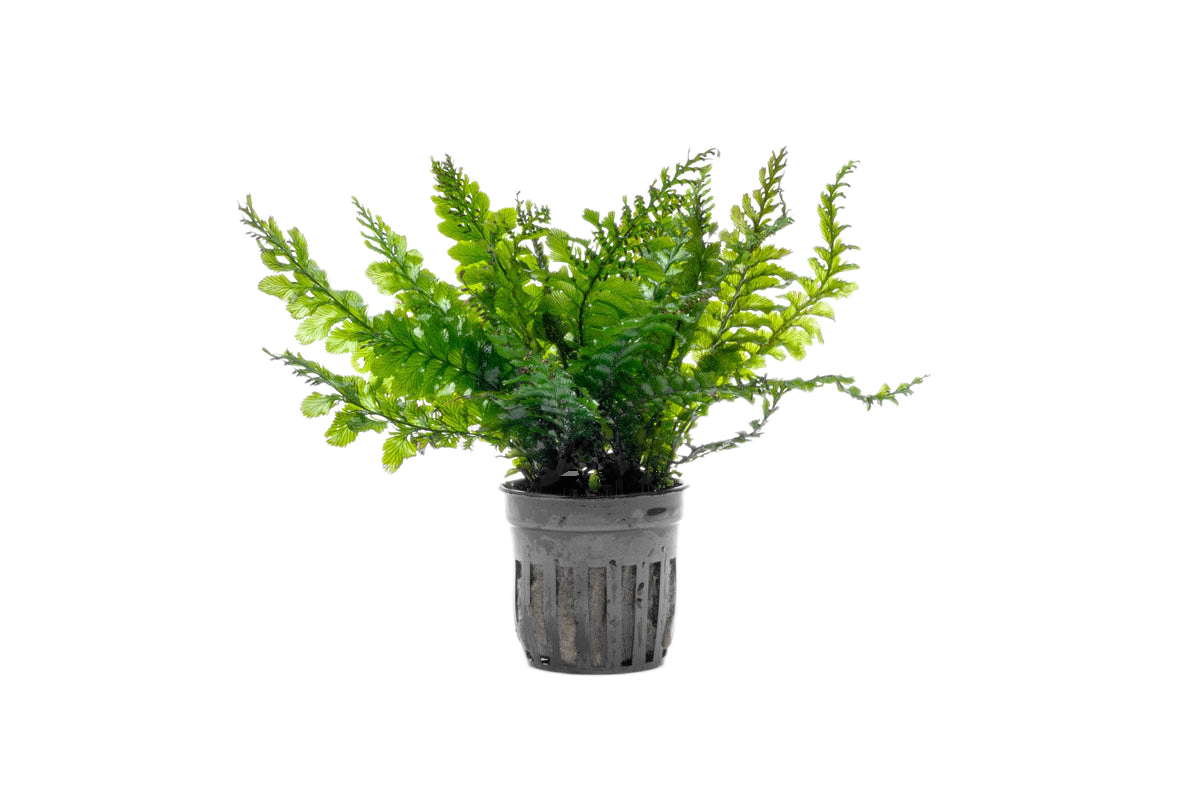
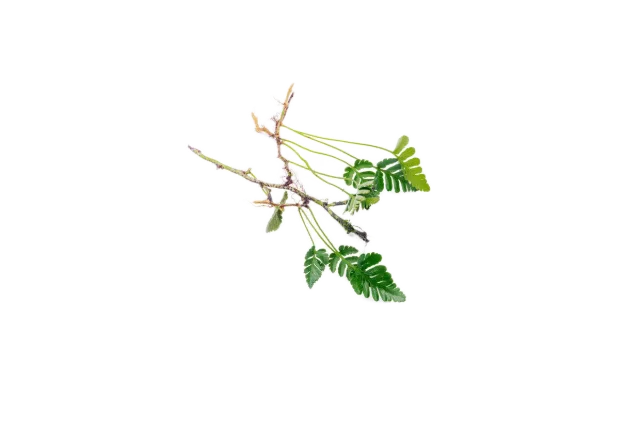
Trichomanes Javanicum (Borneo Fern) is a delicate terrestrial fern native to Southeast Asian tropical rainforests, characterized by thin, translucent fronds that shimmer in the light for an ethereal appearance. It thrives in humid, shaded terrariums and paludariums with consistent humidity and gentle care, but does not do well submerged long-term.
Quick facts
Identity
- Also known as
- Borneo Fern; Java Filmy Fern
- Environment
- Terrestrial
- Native to
- Indonesia, Borneo, Philippines, Southeast Asia
- Habitat
- Humid, shaded tropical rainforest, growing epiphytically on moist rocks and tree trunks near water bodies with high atmospheric humidity
- Sourcing
- Aquacultured
- Conservation
- Not Evaluated
Care
- Care level
- Difficult
- Growth form
- Rhizome
- Max height
- 4 – 8 in (10 – 20 cm)
- Spread
- 6 in (15 cm)
- Growth rate
- Slow
- Placement
- Foreground, Midground, Epiphyte
Water
- Temperature
- 68 – 82 °F (20 – 28 °C)
- Humidity
- 85 – 100%
Planting
- Substrate
- Not needed
- Feeds from
- Both
- Fertilizer needs
- Low
- Colors
- Green
Feeding & breeding
- Propagation
- Rhizome division
Something wrong or missing? Submit a correction
Care guide
Overview
Fronds reach roughly 4 to 8 inches, arising slowly from a creeping rhizome that spreads across damp wood or stone rather than substrate. The thin, filmy leaves lack a protective cuticle, so it depends on near-saturated humidity and low, diffuse light in an enclosed terrarium or paludarium. Not suited to submersion or open, drier tanks.
Care
This filmy fern is a slow grower prized for its thin, almost translucent fronds that give it a delicate, lace-like look. It is best suited to closed or semi-closed terrariums and paludariums where humidity stays consistently high, rather than open tanks or fully submerged aquarium setups. Low to medium, diffuse lighting suits it better than intense light, which can scorch the fragile fronds and cause yellowing or necrosis. It is considered somewhat demanding since it reacts poorly to fluctuations in humidity or water quality.
Planting & trimming
Remove any packing material from the roots and rest the rhizome on top of quality, well-draining substrate or attach it to damp hardscape such as wood or stone; burying the rhizome will kill the plant. Position it in a shaded, humid area of the terrarium or paludarium rather than in an open aquarium, since it does not tolerate long-term submersion. Trim only dead or damaged fronds as needed, cutting close to the rhizome.
Fertilizing
In terrarium culture this fern absorbs nutrients largely through its fronds and roots from moist substrate and humid air rather than through heavy fertilizing. A light misting with a diluted liquid fertilizer or feeding through a nutrient-rich substrate can support growth, but excess fertilizer is unnecessary and can promote algae on the slow-growing fronds. Signs of nutrient deficiency typically show as pale or yellowing fronds rather than dramatic browning.
Propagation
Propagation is done by dividing sections of the rhizome, each with a few attached fronds and root growth, and reattaching the cuttings to a new substrate or hardscape surface. Growth is slow, so divisions take time to establish and should be kept in stable, high-humidity conditions while recovering.
Problems
Crisping or browning leaf edges usually point to insufficient humidity rather than disease, so consistent moisture is the main preventive measure. Overly strong lighting can stress the thin fronds, causing yellowing or tissue necrosis, while stagnant, dirty water in paludarium setups can encourage rot at the rhizome. New specimens may drop some fronds after shipping stress but usually recover if humidity and light are kept stable.
Sources
More Ferns
Something wrong or missing? Submit a correction
In the community
Popular tanks using Trichomanes Javanicum Borneo Fern
No public tanks are showcasing Trichomanes Javanicum Borneo Fern yet.