
Terrarium Plant
Tree Moss
Climacium dendroidesClimaciaceaeMosses
Price: $17.99 USD
Add from My tanks →1 photos
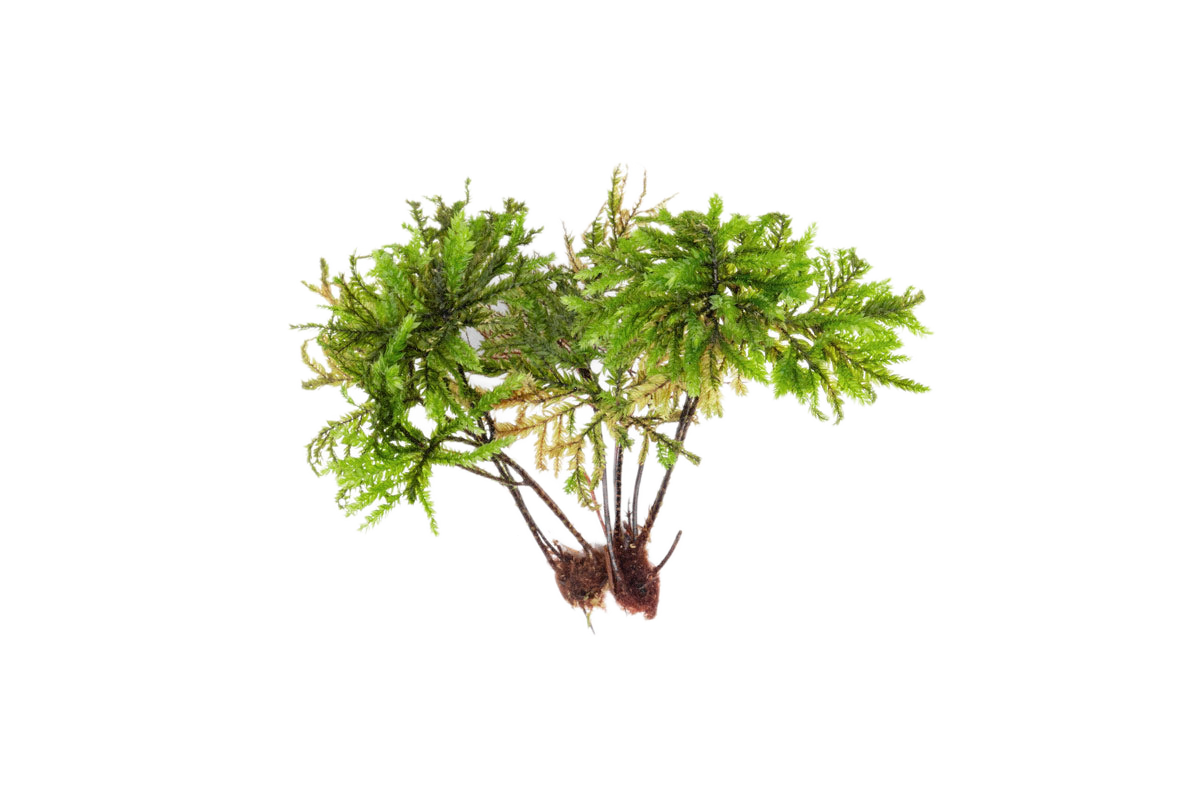
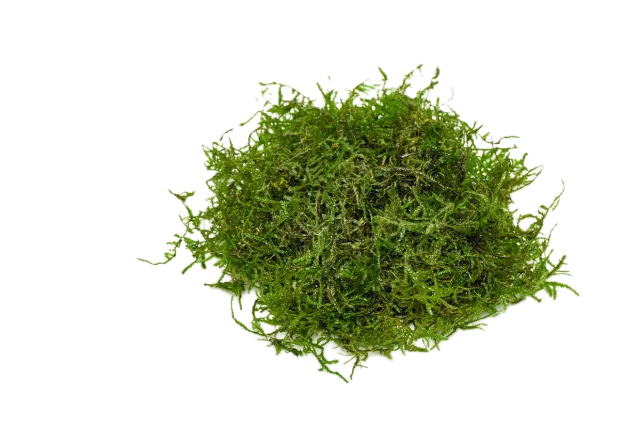
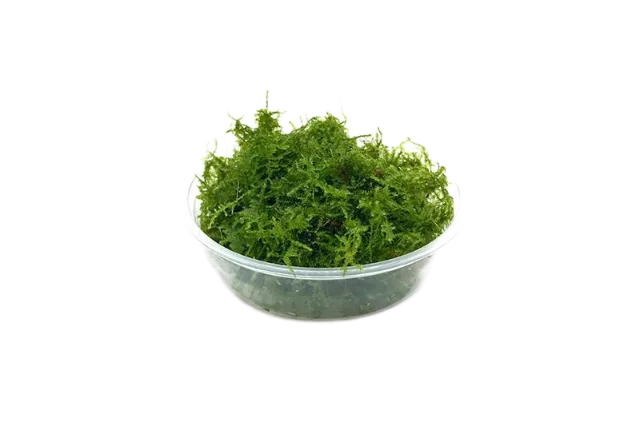
Tree Moss (Climacium dendroides) is a terrestrial moss that grows on upright trunk-like stems topped with dense feathery foliage, resembling miniature trees in terrariums and vivariums; it will not survive submerged. It needs consistent humidity with misting, moderate indirect light, and placement strictly above the water line.
Quick facts
Identity
- Also known as
- Tree Climacium Moss
- Environment
- Terrestrial
- Native to
- Northern Europe, Central Europe, Asia, North America, New Zealand (South Island)
- Habitat
- Moist, shaded woodland floors, swamps, peatland, lake edges, and rotting logs in temperate to subalpine regions of the Northern Hemisphere
- Sourcing
- Aquacultured
- Conservation
- Not Evaluated
Care
- Care level
- Easy
- Growth form
- Moss
- Max height
- 1 – 3 in (2.5 – 7.6 cm)
- Spread
- 6 in (15 cm)
- Growth rate
- Slow
- Placement
- Foreground, Midground
Water
- Temperature
- 60 – 77 °F (16 – 25 °C)
- Humidity
- 60 – 90%
Planting
- Substrate
- Nutrient-rich preferred
- Feeds from
- Both
- Fertilizer needs
- Low
- Colors
- Green, Brown
Feeding & breeding
- Propagation
- Rhizome division
Something wrong or missing? Submit a correction
Care guide
Overview
Terrarium and paludarium builders working on miniature forest scenes rely on this moss for its tree-shaped shoots, each a slender stem topped with feathery green foliage rising from a creeping rhizoid base. Growth is slow and stays under three inches, forming a low, bushy layer above the waterline rather than a carpet. It demands high humidity and steady misting, and will rot if kept submerged.
Care
Tree moss forms small, tree-shaped shoots that rise from a creeping, root-like base, making it a favorite for miniature forest scenes in terrariums and paludariums. It needs consistently high humidity and moderate indirect light, and unlike aquatic mosses it must be kept strictly above the waterline since prolonged submersion kills it. Good airflow around the planting area helps prevent mold while the moss establishes, and it tends to be sensitive to overly alkaline conditions, which can dull its green color.
Planting & trimming
Position each small moss "tree" so its creeping rhizoid base makes firm contact with damp, humus-rich substrate, then press gently so the shoot stands upright on its own. It can also be tied or pressed onto rocks, wood, or a soil mix rather than buried. Occasional trimming keeps the colony compact and encourages denser, bushier regrowth over time.
Fertilizing
This moss lacks true roots and draws most of its nutrients from ambient humidity and the organic matter it clings to, so no fertilizer dosing is used in a terrarium setting. A humus-rich, moisture-retentive substrate or a peat-based mix over a drainage layer supplies enough nutrients for slow, steady growth. Yellowing or browning fronds usually point to insufficient humidity or water quality issues rather than a nutrient deficiency.
Propagation
New plants are produced by dividing the creeping basal rhizoids and separating individual shoots, then pressing each division onto fresh moist substrate or wood. Given stable humidity and moderate light, isolated shoots slowly spread and knit together into a colony resembling a miniature forest.
Problems
Poor airflow combined with excess moisture can encourage mold or fungal growth on the fronds, so ventilation is important even in a high-humidity enclosure. Fronds that brown or collapse often indicate the base has dried out or the moss has been exposed to direct sunlight or hard tap water. Because it is sensitive to pH swings, using distilled or dechlorinated water for misting helps avoid stress and discoloration.
Sources
More Mosses
Something wrong or missing? Submit a correction
In the community
Popular tanks using Tree Moss
No public tanks are showcasing Tree Moss yet.