
LPS Corals
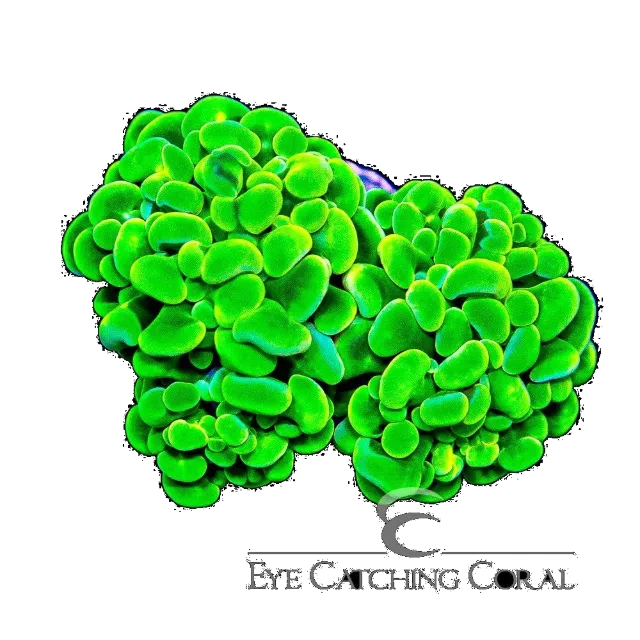
Toxic Branching Hammer
Fimbriaphyllia ancoraEuphylliidaeHammer corals
Price: $49.35 USD
Add from My tanks →1 photos
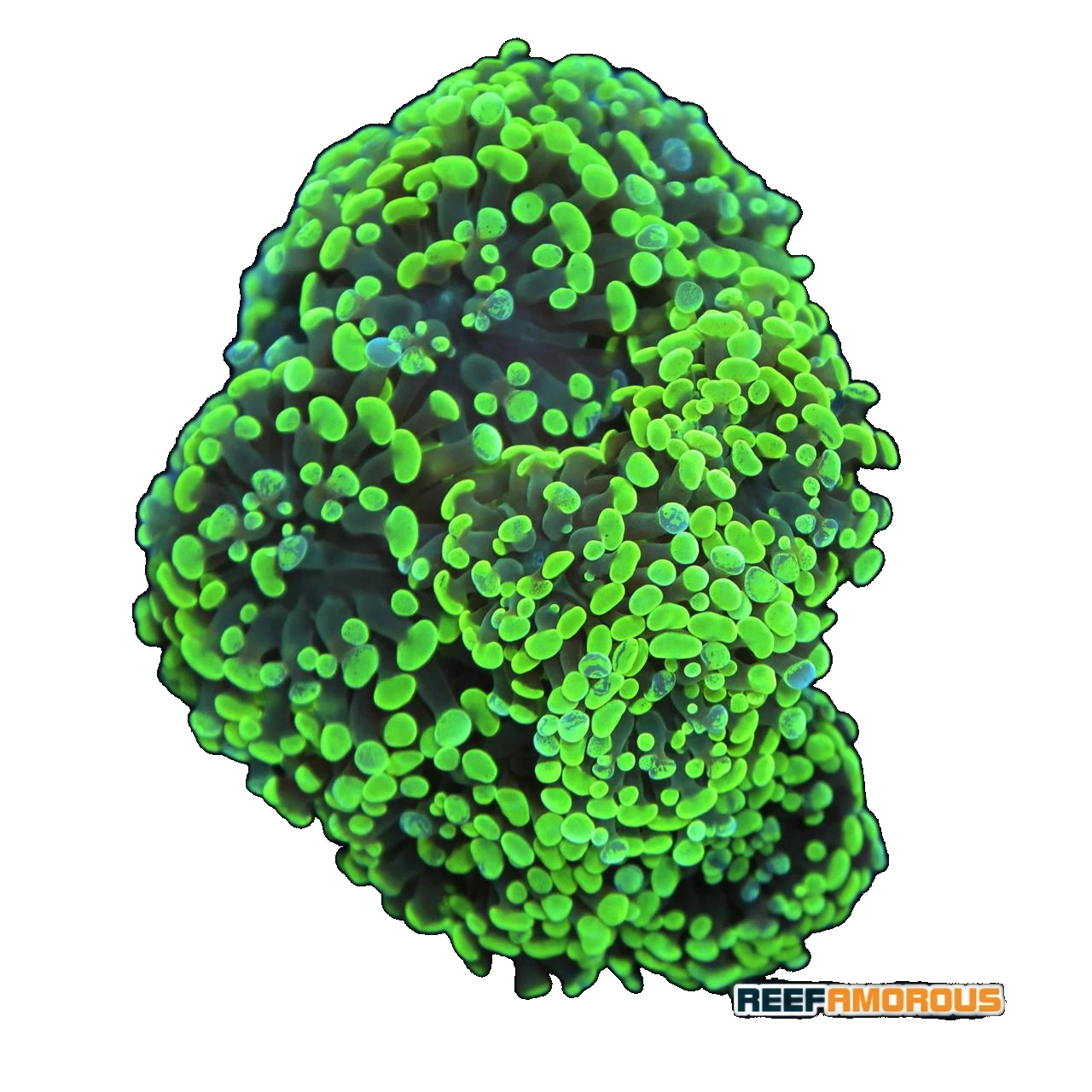
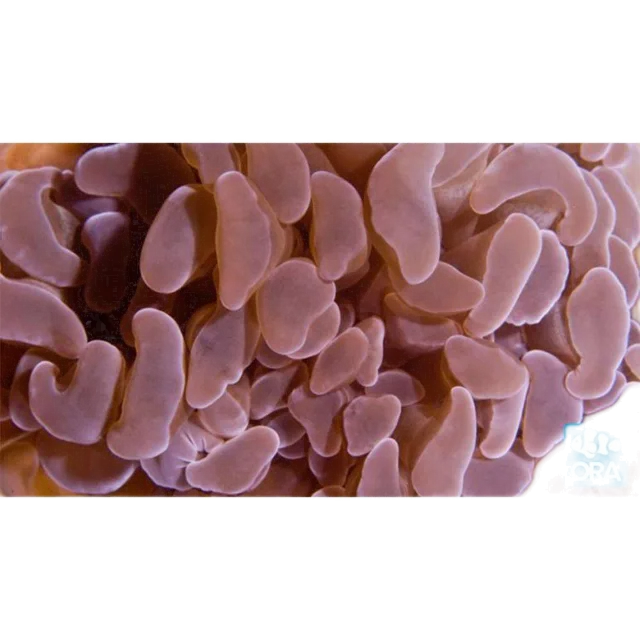
The Toxic Branching Hammer is a branching hammer coral (Fimbriaphyllia ancora), a large-polyp stony coral with thick, fleshy tentacles tipped in distinctive hammer or anchor shapes. It prefers moderate lighting and gentle, indirect water flow, and should be given 10-20 cm of clearance since its sweeper tentacles can sting neighboring corals.
Quick facts
Handling caution: Sweeper tentacles deliver a painful sting; handle with gloves to avoid skin irritation
Identity
- Also known as
- Anchor coral; Wall hammer
- Synonyms
- Euphyllia ancora
- Environment
- Saltwater
- Native to
- Indo-Pacific
- Habitat
- Sheltered reef slopes and lagoons with moderate water movement and varying light levels
- Sourcing
- Both
- Conservation
- Not Evaluated
Care
- Care level
- Moderate
- Coral type
- LPS
- Temperament
- Aggressive
- Growth form
- Branching
- Adult size
- 2 – 12 in (5.1 – 30 cm)
- Spread
- 12 in (30 cm)
- Growth rate
- Moderate
- Placement
- Low, Middle
Water
- Temperature
- 76 – 80 °F (24 – 27 °C)
- pH
- 8.1 – 8.4
- dKH
- 8 – 11 dKH
- Salinity
- 1.024 – 1.026 SG
- PAR
- 75 – 150 PAR
- Flow
- Low-Moderate
- Light
- Medium
Reef care
- Nutrient preference
- Medium
- Alk/Ca uptake
- Medium
- Target feeding
- Beneficial
- Give it room
- 8 in (20 cm)
- Colors
- Green, Orange, Purple, Yellow, Multicolor
Feeding & breeding
- Diet
- Photosynthetic
- Foods
- Frozen, Coral food, Zooplankton
- Propagation
- Fragging
Something wrong or missing? Submit a correction
Care guide
Overview
Colonies of this branching hammer are propagated in captivity from Indo-Pacific reef-slope stock, with heads showing the saturated green-and-purple contrast that gives the Toxic name. Each polyp grows on its own skeletal branch and extends hammer-shaped tentacle tips under medium light and low-to-moderate flow. Keep 8-10 inches from neighboring corals to avoid sweeper tentacle contact.
Care
This branching form of hammer coral is one of the more forgiving Euphylliid species, tolerating a range of moderate lighting and flow conditions once settled. Give it a stable spot low to mid-tank where its polyps can sway without being blasted directly by a pump, and expect full extension within a few weeks of placement. Because each head grows on its own skeletal branch, damage to one polyp rarely threatens the rest of the colony.
Placement & acclimation
Acclimate to lighting gradually, starting lower in the tank and moving it toward its final position over two to four weeks while watching for bleaching or tissue withdrawal. Mount the base skeleton securely on rock with reef epoxy or coral glue, allowing at least 6 to 10 inches of clearance from neighboring corals to account for sweeper tentacle reach.
Feeding
Most of its nutrition comes from photosynthetic zooxanthellae, so strong lighting alone will sustain a healthy colony. Occasional target feeding of mysis or brine shrimp encourages faster growth and fuller polyp extension, offered after the tentacles are extended in the evening or low-flow periods. Overfeeding can foul water quality quickly, so small, infrequent offerings work best.
Neighbors
Sweeper tentacles extend well beyond the polyp body, especially at night, and can sting corals placed too close, so leave several inches of open space on all sides. It generally tolerates other hammer corals nearby but should be kept away from torches, frogspawn, and other Euphyllia relatives that may compete aggressively. Fish and invertebrates are rarely bothered and it pairs well in a typical mixed reef community.
Fragging
Because the branching form produces individual heads on separate skeletal tubes, frags can be cut cleanly at the branch with bone cutters without disturbing the rest of the colony. Fresh cuts should be given time to heal in low flow and stable conditions before being handled or moved.
Pests & problems
Receding tissue or excess mucus production usually signals stress from lighting that is too intense, unstable water chemistry, or physical damage during shipping. Brown jelly infections can take hold quickly on damaged tissue and require prompt isolation and removal of affected flesh. New frags should be observed closely for a few weeks before final placement to confirm they are opening normally and not being irritated by neighboring corals.
Sources
More Hammer corals
Something wrong or missing? Submit a correction
In the community
Popular tanks using Toxic Branching Hammer
No public tanks are showcasing Toxic Branching Hammer yet.