
Coral
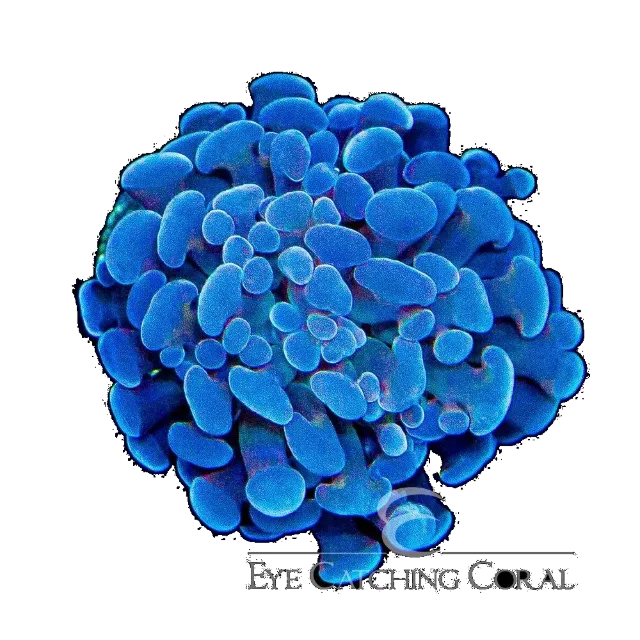
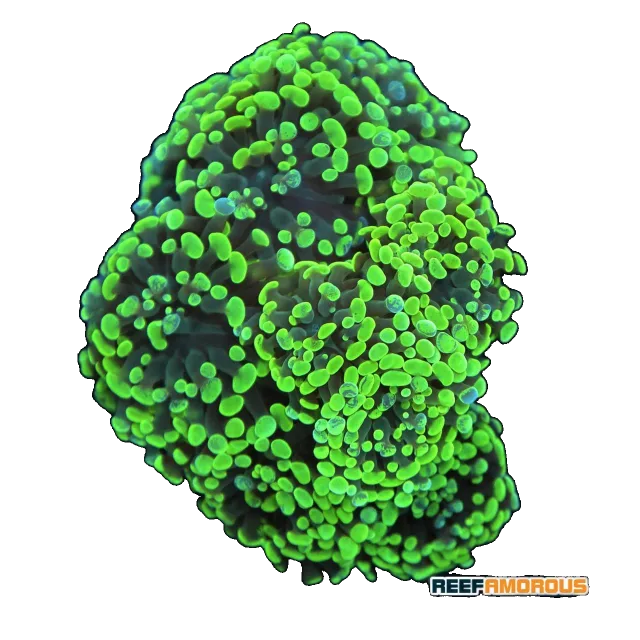
ECC Blue Gusher Branching Hammer
Euphyllia ancoraEuphylliidaeHammer corals
Add from My tanks →1 photos

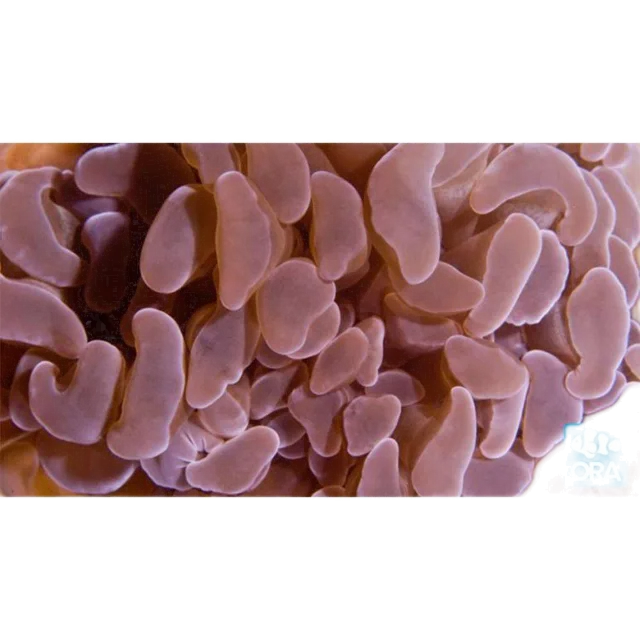
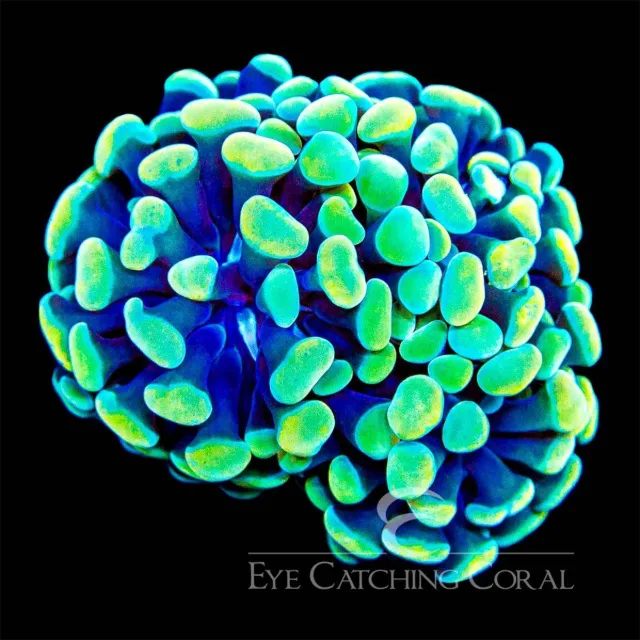
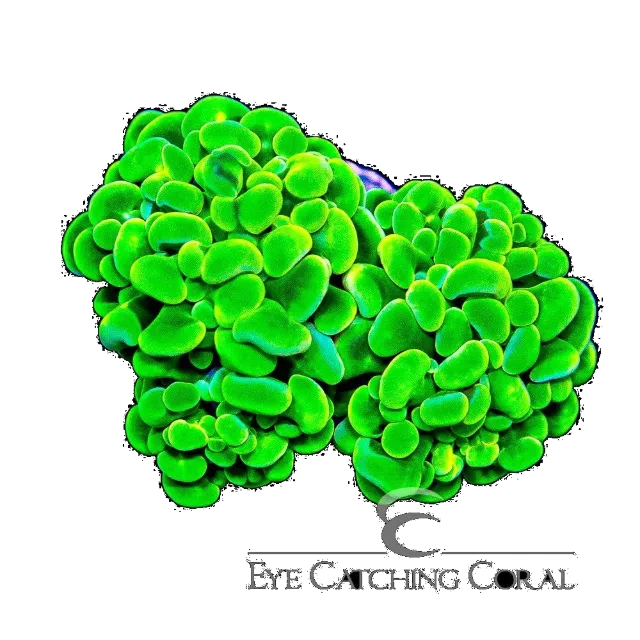
The ECC Blue Gusher Branching Hammer is a classic LPS coral with long, flowing tentacles and hammer-shaped tips that add movement to the tank, shown off on the rockwork. Branching hammers grow in a tree-like structure with individual heads, making them more forgiving and easier to frag than wall hammers; give them plenty of space since they can sting nearby corals.
Quick facts
Handling caution: Sweeper tentacles deliver a chemical sting that can irritate skin and harm neighboring corals
Identity
- Also known as
- Anchor coral; Ridge coral
- Synonyms
- Euphyllia paraancora (similar branching form, sometimes confused)
- Environment
- Saltwater
- Native to
- Indonesia, Fiji, Tonga, Solomon Islands, Australia, Indo-Pacific
- Habitat
- Reef slopes and lagoons of the Indo-Pacific, typically on stable substrate in areas with gentle to moderate current and moderate light penetration
- Sourcing
- Both
- Conservation
- Not Evaluated
Care
- Care level
- Moderate
- Coral type
- LPS
- Temperament
- Semi-Aggressive
- Growth form
- Branching
- Adult size
- 2 – 36 in (5.1 – 91 cm)
- Spread
- 36 in (91 cm)
- Growth rate
- Moderate
- Placement
- Low, Middle
Water
- Temperature
- 75 – 81 °F (24 – 27 °C)
- pH
- 8.1 – 8.4
- dKH
- 8 – 12 dKH
- Salinity
- 1.024 – 1.026 SG
- PAR
- 80 – 150 PAR
- Flow
- Low-Moderate
- Light
- Medium
Reef care
- Nutrient preference
- Medium
- Alk/Ca uptake
- Medium
- Target feeding
- Beneficial
- Give it room
- 6 in (15 cm)
- Colors
- Green, Yellow, Orange, Purple, Cream, Brown, Multicolor
Feeding & breeding
- Diet
- Photosynthetic
- Foods
- Frozen, Zooplankton, Coral food, Target-fed
- Propagation
- Fragging
Something wrong or missing? Submit a correction
Care guide
Overview
Bred by Elite Coral Company from Indo-Pacific hammer lineage, this branching form carries a blue-toned polyp coloration that intensifies under moderate lighting. Individual heads extend on separate branches, making the colony easier to frag over time than solid wall-type hammers. Space it away from other corals to avoid nighttime sweeper tentacle contact.
Care
Hammer coral does best under moderate lighting in the 80-150 PAR range paired with gentle, indirect flow strong enough to make the tentacles sway without abrading them against the skeleton. It tolerates a range of placements from the sandbed to mid-rockwork depending on light intensity, and colonies will often need repositioning until they settle into a spot where they extend fully. Stable, mature water chemistry with consistent calcium, alkalinity, and magnesium matters more than raw tank volume, though it still needs room to accommodate eventual growth.
Placement & acclimation
Acclimate gradually to lighting when moving from lower-light retail conditions to a brighter display, adjusting position over 1-2 weeks and observing polyp extension. Mount frags or colonies securely on rockwork or in the sandbed with enough clearance from other corals to allow tentacles to extend without contact.
Feeding
Most of its energy comes from symbiotic zooxanthellae, so feeding is optional but can speed growth and coloration. Once or twice weekly target feeding of small meaty items such as mysis, enriched brine shrimp, or chopped seafood delivered directly to the extended polyps works well. Avoid broadcast feeding heavily, since excess food can foul water without benefiting the coral much.
Neighbors
This coral is territorial and extends long sweeper tentacles, mainly at night, that can chemically burn non-Euphyllia corals, so give it at least 6 inches of clearance from other genera. It generally coexists well when placed near other Euphyllia species such as torch or frogspawn. Because branching colonies can eventually spread wide, plan placement with future growth in mind rather than crowding it into a small footprint.
Fragging
Branching colonies are fragged by cutting between heads along the skeleton with a bandsaw or shears, then allowing tissue to heal before handling further. Wall-type growth forms are far slower growing and harder to frag successfully, so they are more often kept and sold as whole colonies.
Pests & problems
Newly introduced specimens sometimes recede or fail to inflate fully if flow or light is mismatched, so patience during acclimation is important. Brown jelly infection can develop on damaged tissue, particularly after fragging or physical injury, and should be addressed quickly by isolating and cutting away affected areas. Flatworms and Acropora-eating flatworm relatives rarely bother Euphyllia, but pests such as Euphyllia-specific nudibranchs or spionid worms occasionally cause tissue recession.
Sources
Varieties in the catalog
More Hammer corals
Something wrong or missing? Submit a correction
In the community
Popular tanks using ECC Blue Gusher Branching Hammer
No public tanks are showcasing ECC Blue Gusher Branching Hammer yet.