
Coral
ECC Dark Storm Branching Hammer
Euphyllia paraancoraEuphylliidaeHammer corals
Add from My tanks →1 photos
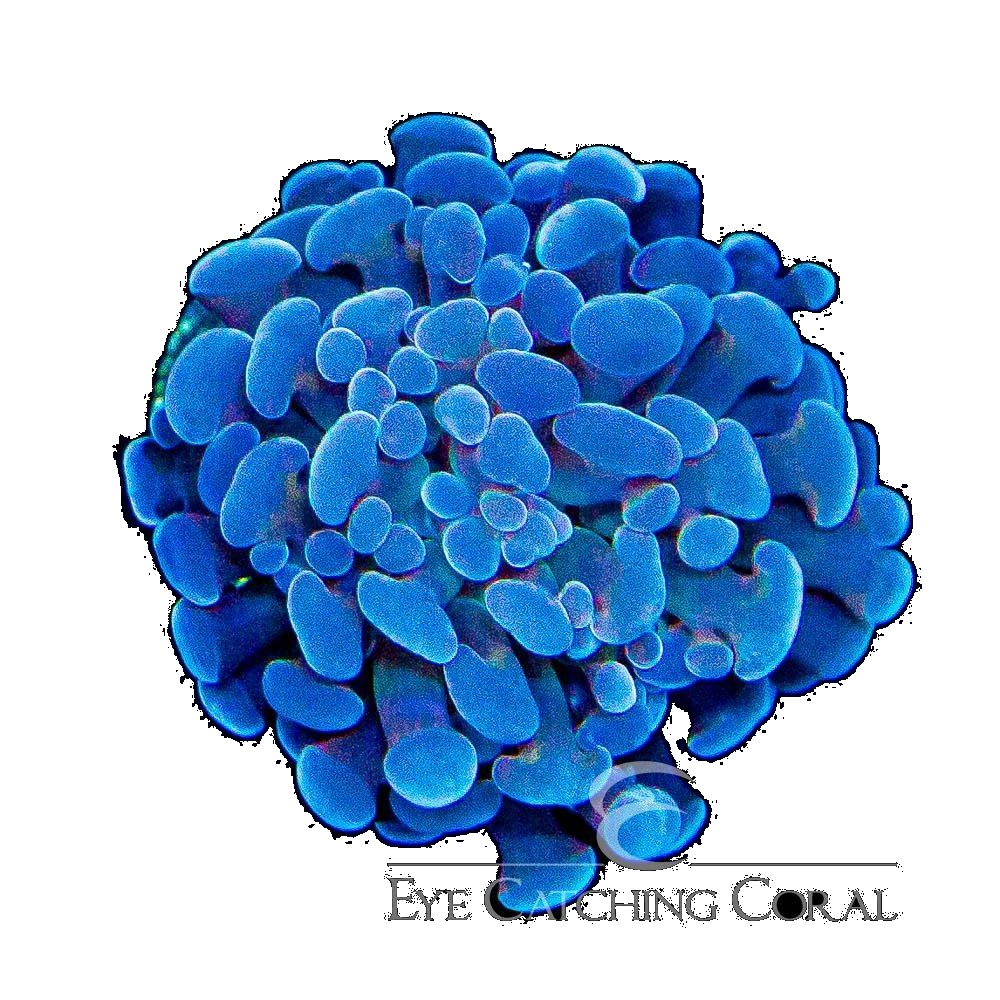
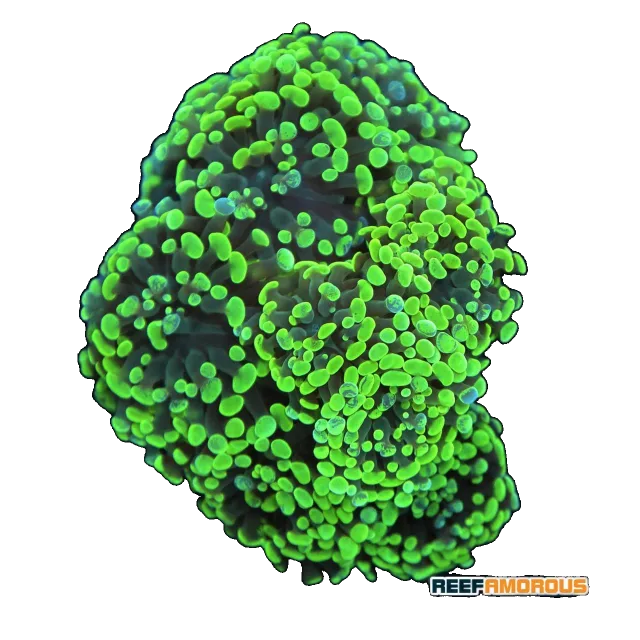
The ECC Dark Storm Branching Hammer is a classic branching hammer LPS coral with long, flowing tentacles and hammer-shaped tips, growing in a forgiving, easy-to-frag tree-like structure. It adds movement as a showpiece on rockwork under medium light (150-250 PAR) with moderate flow, but has a strong sting, so give it plenty of space from nearby corals.
Quick facts
Handling caution: Sweeper tentacles deliver a strong sting; can irritate skin on contact
Identity
- Also known as
- Branching Hammer Coral; Anchor Coral; Branching Anchor Coral
- Synonyms
- Fimbriaphyllia paraancora
- Environment
- Saltwater
- Native to
- Indo-Pacific
- Habitat
- Sheltered reef slopes and lagoons with moderate current, typically in depths down to around 130 feet
- Sourcing
- Both
- Conservation
- Not Evaluated
Care
- Care level
- Moderate
- Coral type
- LPS
- Temperament
- Aggressive
- Growth form
- Branching
- Adult size
- 2 – 12 in (5.1 – 30 cm)
- Spread
- 36 in (91 cm)
- Growth rate
- Moderate
- Placement
- Low, Middle
Water
- Temperature
- 75 – 81 °F (24 – 27 °C)
- pH
- 8.1 – 8.4
- dKH
- 8 – 12 dKH
- Salinity
- 1.023 – 1.025 SG
- PAR
- 80 – 150 PAR
- Flow
- Low-Moderate
- Light
- Medium
Reef care
- Nutrient preference
- Medium
- Alk/Ca uptake
- Medium
- Target feeding
- Beneficial
- Give it room
- 6 in (15 cm)
- Colors
- Green, Yellow, Orange, Purple, Brown, Multicolor
Feeding & breeding
- Diet
- Photosynthetic
- Foods
- Frozen, Zooplankton, Coral food, Target-fed
- Propagation
- Fragging
Something wrong or missing? Submit a correction
Care guide
Overview
Individual heads reach two to twelve inches and branch outward into a loose, tree-like colony rather than a fused wall. This growth habit makes fragging simple, since each head can be separated at its own skeletal stalk. It needs medium light and moderate flow, with room left for sweeper tentacles at night.
Care
This branching hammer grows as separate heads on individual skeletal tubes, so damage or disease affecting one polyp rarely spreads to the rest of the colony. It tolerates a fairly wide range of tank conditions once established, but does best under moderate lighting and gentle to moderate flow that lets the tentacles sway without tattering. Because each head can be cut free from the branch point, this form is considerably easier to manage and propagate than the wall-growing hammer.
Placement & acclimation
Acclimate to lighting gradually since a sudden move to high PAR can cause bleaching or recession, and start new arrivals lower in the tank before moving them to their permanent spot. Mount individual heads or small frags directly onto rockwork or a frag plug using coral glue or epoxy, placing them low to middle in the tank with clearance on all sides for tentacle extension.
Feeding
Most of its energy comes from zooxanthellae, so daily feeding is not required, but occasional target feeding of mysis, brine shrimp, or other meaty foods supports faster growth and fuller extension. Feed sparingly and only after the coral has settled into the tank and is showing regular polyp extension. Overfeeding can foul water quality without adding much benefit once the coral is established.
Neighbors
Sweeper tentacles can extend several inches at night and deliver a strong sting, so leave at least six inches of clearance from corals outside its own genus. It generally coexists peacefully with other Euphyllia species such as frogspawn and torch corals, which share a similar nematocyst tolerance, though direct contact should still be avoided. Give it plenty of open space on the rockwork away from faster-growing or more aggressive neighbors.
Fragging
Fragging is straightforward since each head sits on its own skeletal branch; a bone saw or shears can separate a head at the branch point without harming the rest of the colony. Allow cut tissue to heal in low flow and stable water quality before returning the frag to display lighting.
Pests & problems
Recession or tissue loss usually points to elevated nitrate, unstable calcium/alkalinity, or excessive flow tearing the polyps. Brown jelly infection can take hold quickly if tissue is damaged, so any injured heads should be isolated and treated promptly. Flatworms and Euphyllia-specific pests are occasional problems and warrant a dip when introducing new frags.
Sources
Varieties in the catalog
More Hammer corals

Something wrong or missing? Submit a correction
In the community
Popular tanks using ECC Dark Storm Branching Hammer
No public tanks are showcasing ECC Dark Storm Branching Hammer yet.