
Aquatic Plant
Subwassertang
Pteris sp.LomariopsidaceaeMosses
Price: $15.99 USD
Add from My tanks →5 photos
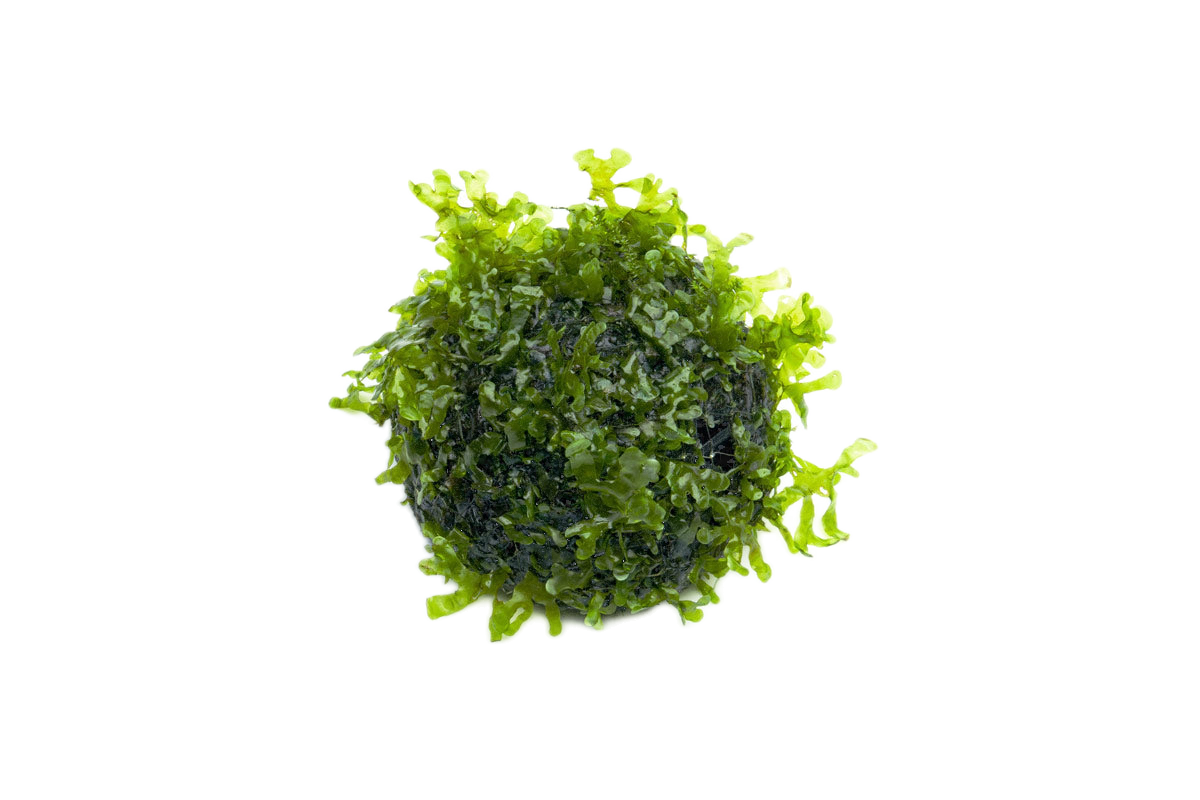
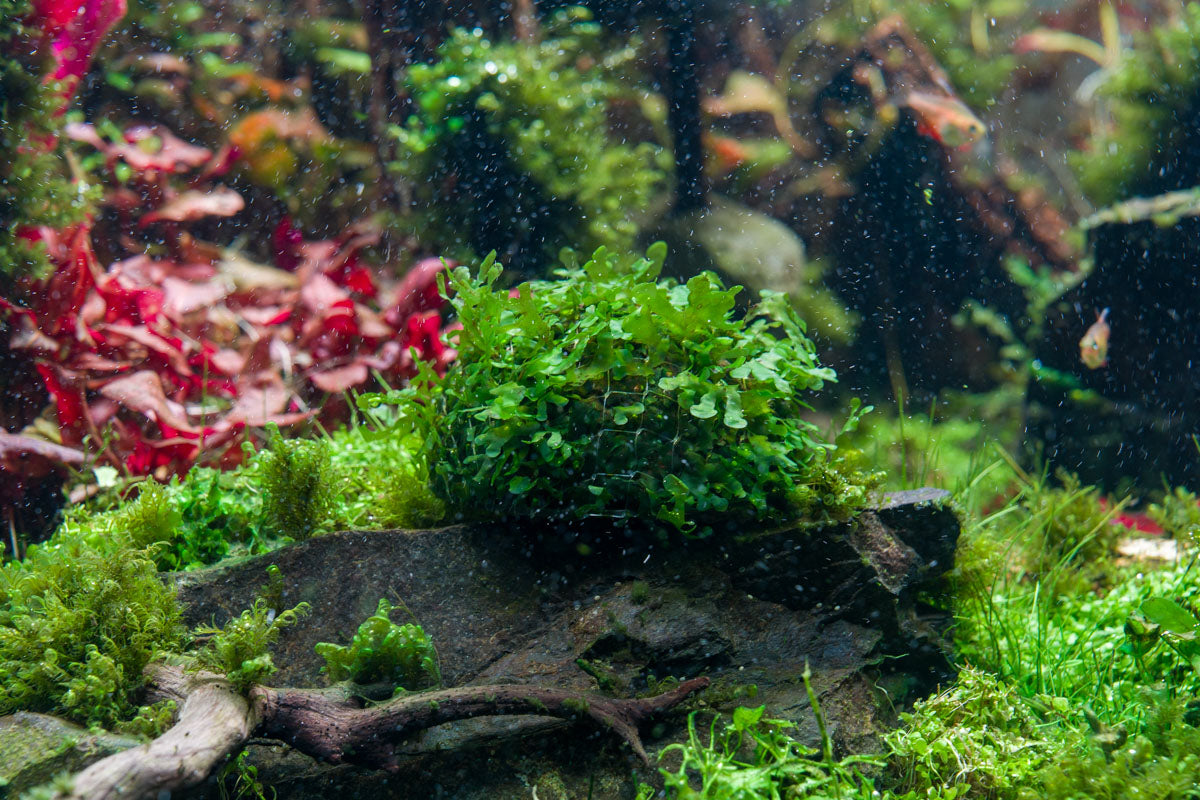
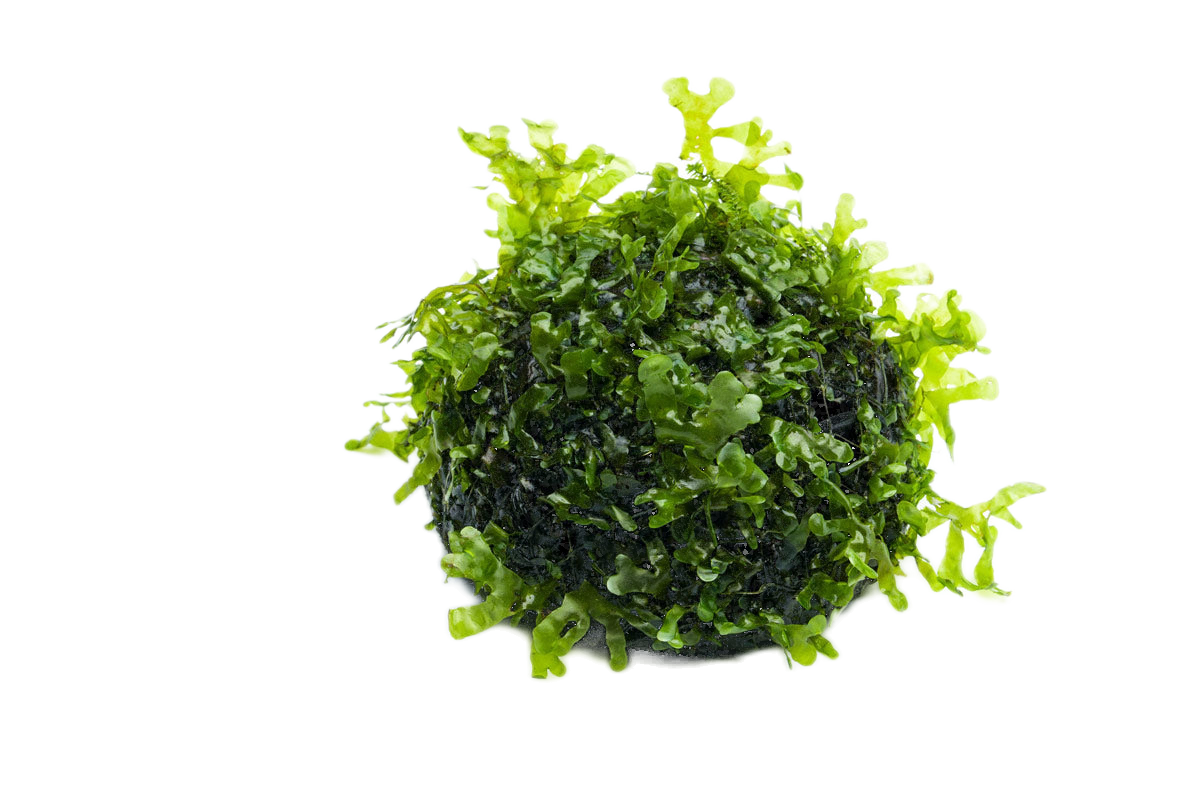
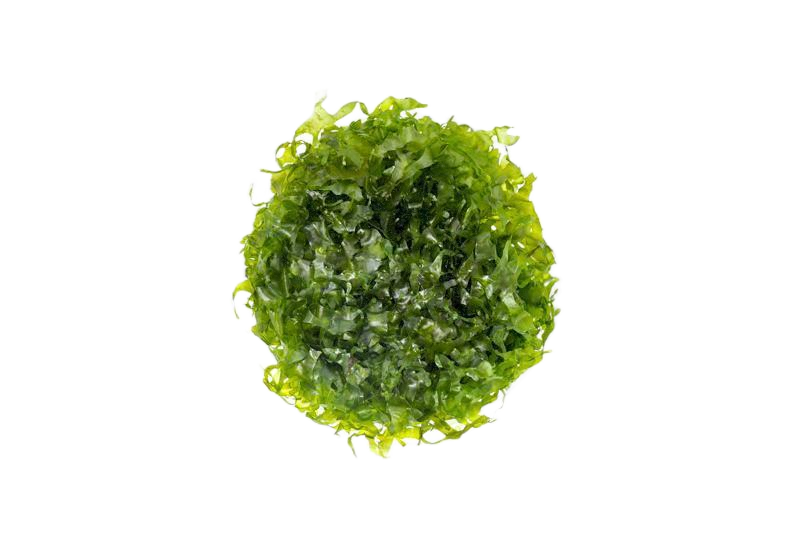
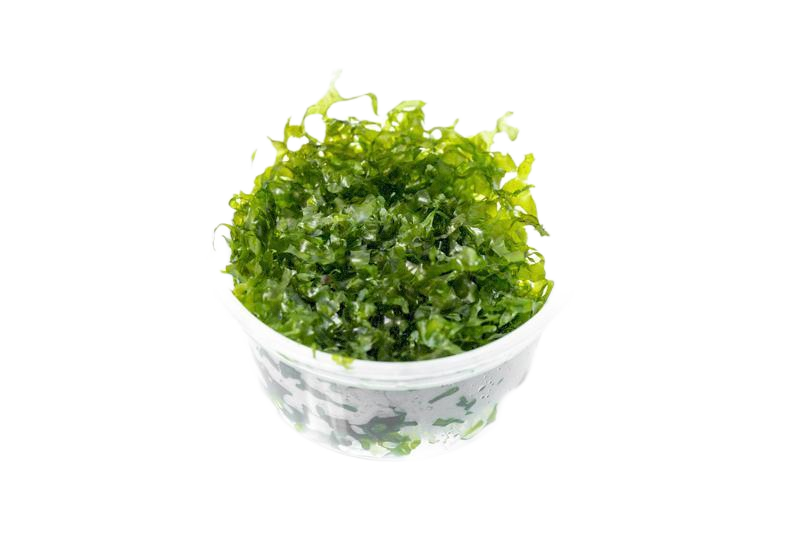
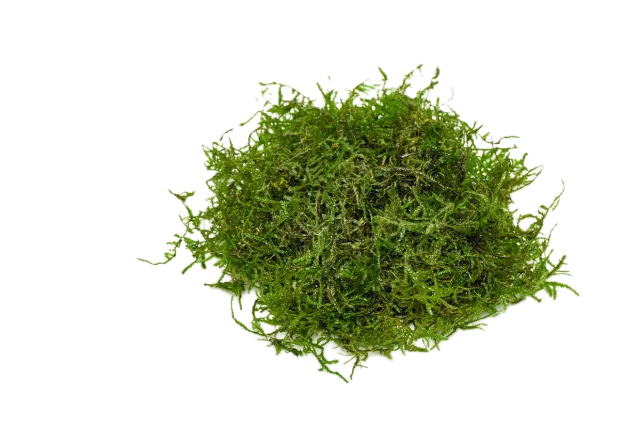
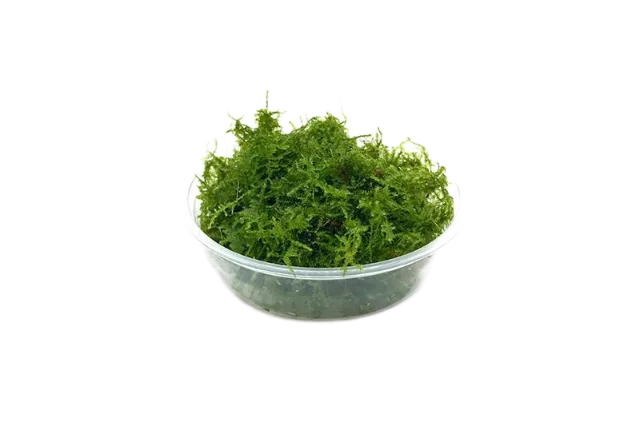
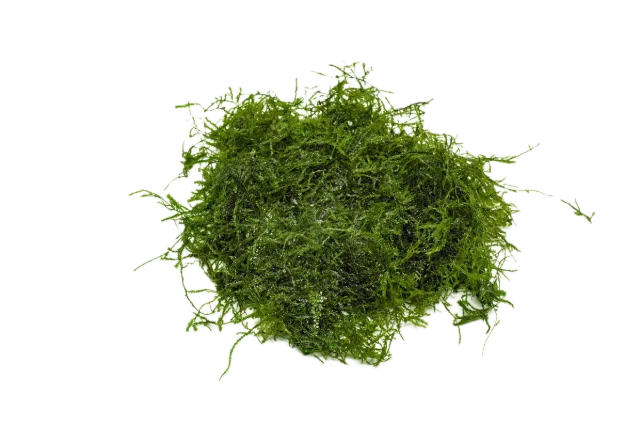
Subwassertang (Süsswassertang, Loma Fern) is a moss-like fern gametophyte with translucent, bright green ribbon-like fronds that provide massive surface area for biofilm. A premium grazing ground for dwarf shrimp and a secure hiding labyrinth for fry, it grows rootless as a free-floating cushion or anchored to hardscape.
Quick facts
Identity
- Also known as
- Süsswassertang; Round Pellia; Pellia Moss; Loma Fern
- Synonyms
- Pteris sp.; Lomariopsis sp.; Lomariopsis cf. lineata
- Environment
- Freshwater
- Native to
- Southeast Asia (exact origin of aquarium clone unknown)
- Habitat
- Freshwater aquaria; wild fern grows epiphytically on trees or among rocks in humid forests and riverbeds, but the aquarium form is a perpetual submerged gametophyte
- Sourcing
- Captive-bred
- Conservation
- Not Evaluated
Care
- Care level
- Easy
- Growth form
- Moss
- Max height
- 4 in (10 cm)
- Spread
- 12 in (30 cm)
- Growth rate
- Slow
- Placement
- Foreground, Midground, Background, Floating, Epiphyte
Water
- Temperature
- 68 – 82 °F (20 – 28 °C)
- pH
- 6.0 – 7.5
- GH
- 0 – 15 dGH
- Flow
- Low
- Light
- Low
- CO₂
- Not needed
Planting
- Substrate
- Not needed
- Feeds from
- Water column
- Fertilizer needs
- Low
- Colors
- Green
Feeding & breeding
- Propagation
- Rhizome division
Something wrong or missing? Submit a correction
Care guide
Overview
Subwassertang is a rootless fern gametophyte forming a dense mat of translucent, ribbon-like green fronds rather than true leaves. It spreads slowly by fragmentation alone, tolerating low light and no CO2, though calm flow is needed to keep the fragile thallus from tearing apart. Widely used as shrimp grazing cover or fry refuge in nano tanks.
Care
This plant is essentially foolproof, tolerating low light, no CO2, and a wide range of temperatures and water chemistry. It has no true roots or stems, growing instead as a translucent, ribbon-like thallus that slowly expands into a dense mat over hardscape or substrate. Because it lacks rigid structure, strong flow can tear it apart and scatter fragments throughout the tank, so placing it in calmer areas helps keep growth contained. It can be left loose, wedged into crevices, or tied to wood and rock, where it will eventually anchor itself as it grows.
Planting & trimming
No substrate is needed since the plant has no root system; it can be tied or glued to driftwood and rock with thread, fishing line, or cyanoacrylate gel glue, left to float freely, or simply allowed to rest loosely on the substrate where it will spread as a mat. It is commonly used as a carpet-like accent, a background clump, or stuffed into breeder boxes and shrimp tanks as cover. Trimming is done simply by pinching off overgrown sections, which can be reused elsewhere in the tank.
Fertilizing
Growth is fueled almost entirely by nutrients absorbed directly from the water column rather than through roots or substrate. No fertilizer or CO2 injection is required, though liquid ferts and CO2 will visibly speed up growth and deepen the green color. In nutrient-poor water the fronds can appear pale or thin, which usually resolves once fish waste or light dosing of a liquid fertilizer is introduced.
Propagation
Propagation is entirely by fragmentation; any piece torn or cut from the main mass will continue absorbing nutrients from the water and grow into an independent clump. No special technique is required beyond separating a portion and placing it wherever new growth is wanted. Because of how easily it breaks apart, stray fragments frequently lodge in filters or other decorations and start new colonies unintentionally.
Problems
Excess light intensity can stress the thallus and cause portions to melt or brown, so moderate rather than intense lighting is usually safer. Because the tissue is delicate, rough handling during maintenance or shipping easily shreds it into fragments, though these fragments simply grow into new plants rather than dying off. Algae can become a nuisance once the mat thickens, since the dense, low-flow structure traps detritus and film algae within its fronds.
Sources
More Mosses
Something wrong or missing? Submit a correction
In the community
Popular tanks using Subwassertang
No public tanks are showcasing Subwassertang yet.