
Aquatic Plant
Staurogyne Bihar
Staurogyne sp.AcanthaceaeCrypts
Price: $8.99 USD
Add from My tanks →2 photos
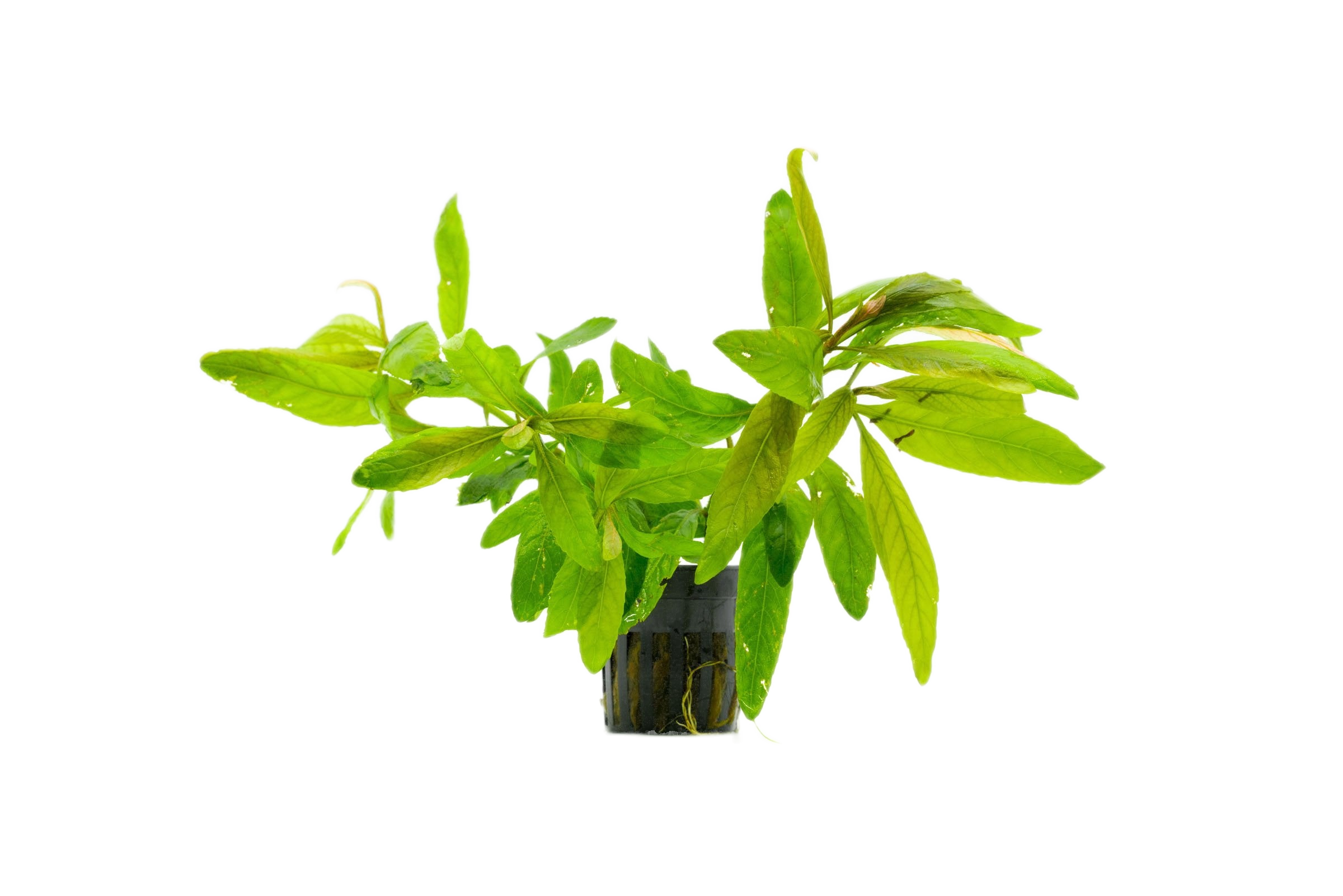
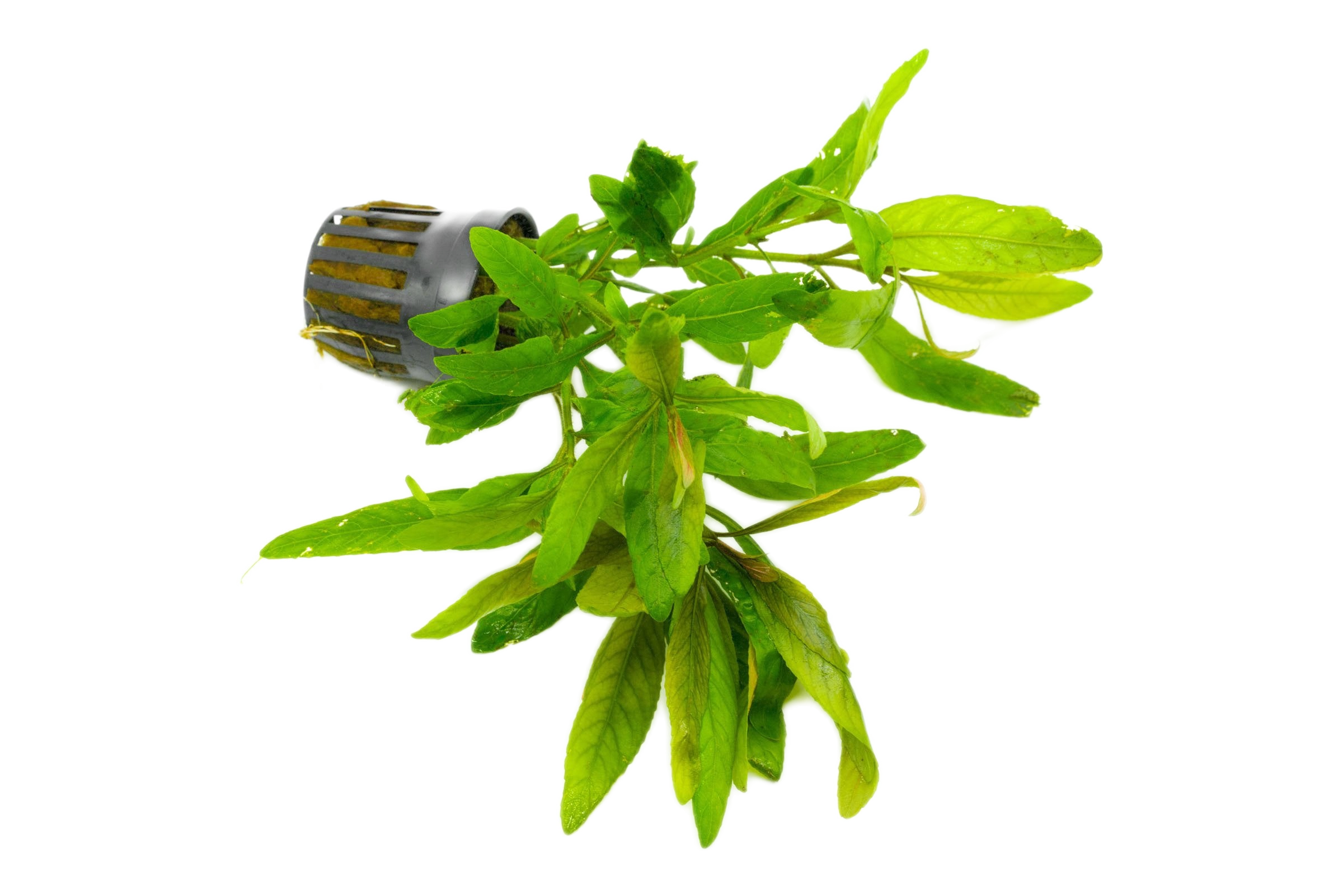
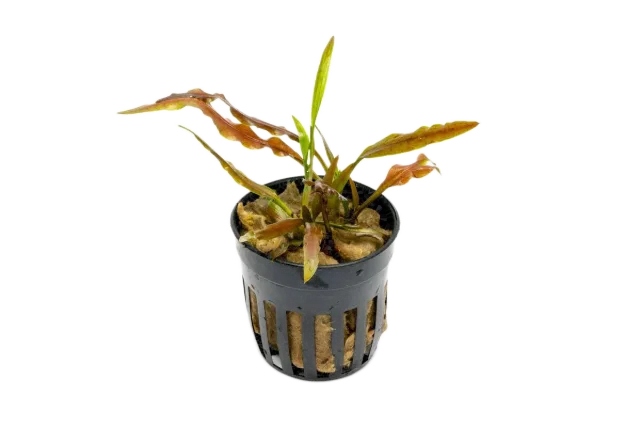
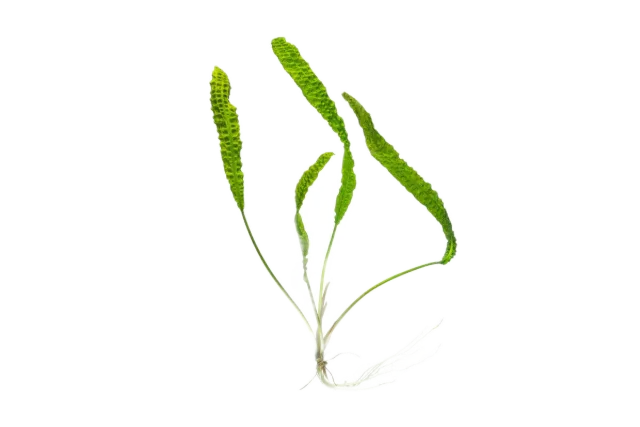
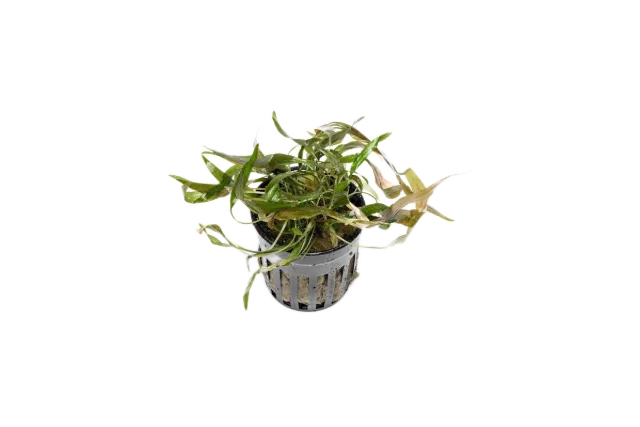
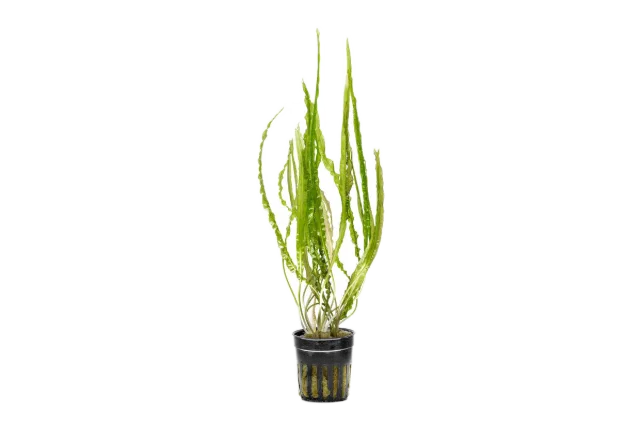
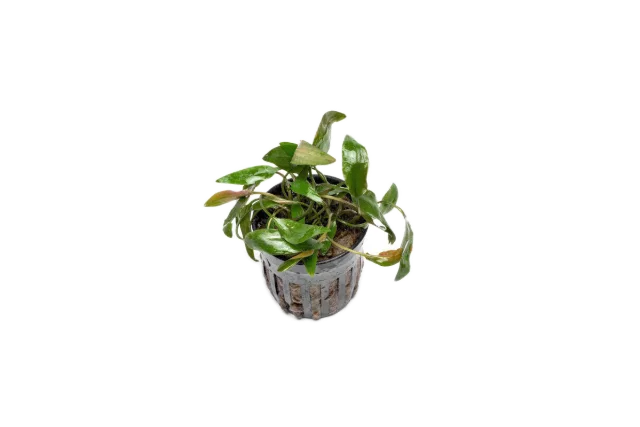
Staurogyne sp. Bihar is a relatively rare find in the aquarium hobby, originally identified as a Hygrophila species before flowering revealed it as a Staurogyne. Grown submerged it resembles Hygrophila Pinnatifida, boasting color varieties from deep green to reddish brown.
Quick facts
Identity
- Also known as
- null
- Synonyms
- Hygrophila sp. 'Roraima'
- Environment
- Freshwater
- Native to
- Brazil (Rondônia, Roraima)
- Habitat
- Shaded stream and river margins in the Amazon basin of western Brazil, growing along soft substrate banks that are periodically submerged.
- Sourcing
- Aquacultured
- Conservation
- Not Evaluated
Care
- Care level
- Moderate
- Growth form
- Carpeting
- Max height
- 2 – 4 in (5.1 – 10 cm)
- Spread
- 4 in (10 cm)
- Growth rate
- Moderate
- Placement
- Foreground, Midground, Carpet
Water
- Temperature
- 68 – 82 °F (20 – 28 °C)
- pH
- 5.5 – 7.5
- GH
- 2 – 10 dGH
- dKH
- 0 – 10 dKH
- Flow
- Low-Moderate
- Light
- Medium
- CO₂
- Beneficial
Planting
- Substrate
- Nutrient-rich preferred
- Feeds from
- Both
- Fertilizer needs
- Medium
- Colors
- Green, Brown, Purple
Feeding & breeding
- Propagation
- Cuttings, Runners, Splitting
Something wrong or missing? Submit a correction
Care guide
Overview
Staurogyne sp. Bihar is an uncommon Acanthaceae species first mistaken for a Hygrophila until flowering confirmed its genus. Submerged growth resembles Hygrophila pinnatifida, with leaf color ranging from deep green to reddish brown, and it shares the creeping carpet habit, moderate care demands, and CO2 responsiveness typical of its relatives.
Care
A low creeping plant that hugs the substrate in a manner similar to ivy, making it a reliable choice for filling in the foreground of an aquascape. It grows more slowly and is somewhat fussier than the closely related Staurogyne repens, doing best with medium to high light, a rich substrate, and supplemental CO2. Given weak light or poor nutrients it tends to stretch upward instead of spreading, so keepers aiming for a dense mat should prioritize even light coverage over intensity alone.
Planting & trimming
Plant small clumps a couple of centimeters apart in a grid across the foreground so the individual portions knit together into a continuous carpet over time. Push roots gently into the substrate and weigh or pin them down until anchored, since loose portions tend to float in the early weeks. Trim across the top periodically once established, since cutting the entire group encourages lateral spread and hides the trimming line better than removing large chunks at once.
Fertilizing
Root tabs pushed into the substrate around the base support steady growth, and a balanced liquid fertilizer dosed weekly helps sustain the carpet once it fills in. Iron supplementation intensifies the grayish-purple sheen that develops on the leaves under strong light. Yellowing leaves or stalled growth usually point to a nutrient shortfall rather than disease, and are best corrected with more consistent dosing.
Propagation
Propagates readily from head cuttings and side shoots produced after trimming, which can be replanted directly to thicken the carpet. Established mats also spread via runners along the substrate, and mature clumps can be lifted and split into smaller sections for replanting elsewhere in the tank.
Problems
New plantings often shed a few older leaves while roots establish, which is normal and not a sign of failure. Algae fouling on the leaves is the most common complaint and typically traces back to excess light relative to available nutrients or weak flow across the carpet. Reducing photoperiod slightly, increasing fertilization, and improving circulation usually resolve the issue without needing to remove the plant.
Sources
Varieties in the catalog
More Crypts
Something wrong or missing? Submit a correction
In the community
Popular tanks using Staurogyne Bihar
No public tanks are showcasing Staurogyne Bihar yet.