
Cryptocoryne
Cryptocoryne Axelrodi
Cryptocoryne axelrodiAraceaeCrypts
Price: $6.99 USD
Add from My tanks →1 photos
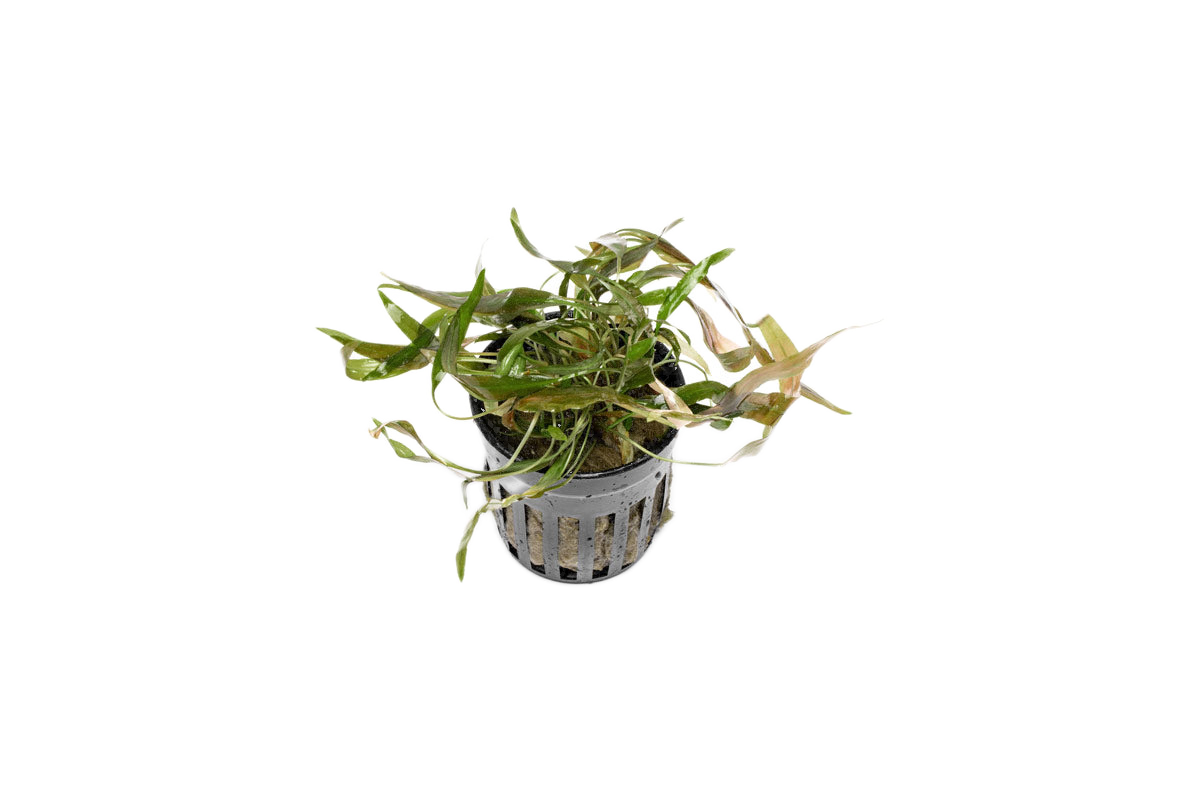
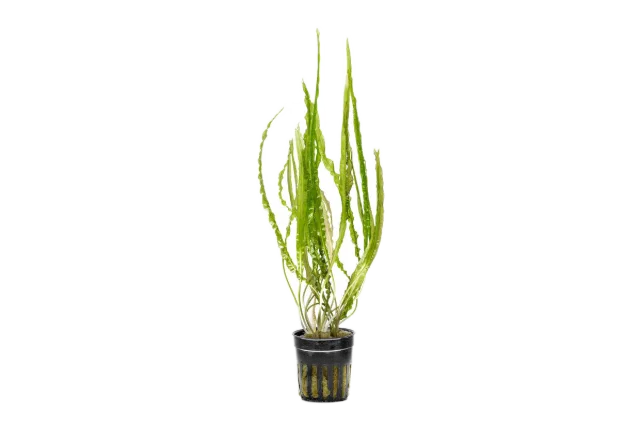
Cryptocoryne axelrodi, hailing from the tropical waters of Borneo, is an uncommon collector's gem with slender, strap-like leaves in an earthy greenish-brown hue. Reliable and low-maintenance midground accent in low-tech setups; sensitive to water parameter changes and should not be moved.
Quick facts
Identity
- Also known as
- Axelrod's Cryptocoryne; Axelrod Crypt
- Synonyms
- Cryptocoryne axelrodii; often associated with or considered a synonym of Cryptocoryne undulata
- Environment
- Freshwater
- Native to
- Borneo, Malaysia, Sri Lanka
- Habitat
- Sandy and clay stream beds in humid tropical forests, growing submerged or emersed on muddy banks with seasonal monsoon fluctuations
- Sourcing
- Both
- Conservation
- Not Evaluated
Care
- Care level
- Easy
- Growth form
- Rosette
- Max height
- 3 – 10 in (7.6 – 25 cm)
- Spread
- 6 in (15 cm)
- Growth rate
- Slow
- Placement
- Midground
Water
- Temperature
- 72 – 82 °F (22 – 28 °C)
- pH
- 6.0 – 7.5
- dKH
- 2 – 15 dKH
- Flow
- Low-Moderate
- Light
- Low
- CO₂
- Beneficial
Planting
- Substrate
- Nutrient-rich preferred
- Feeds from
- Roots
- Fertilizer needs
- Medium
- Colors
- Green, Brown
Feeding & breeding
- Propagation
- Rhizome division
Something wrong or missing? Submit a correction
Care guide
Overview
Reaching roughly 3 to 10 inches with a rosette of slender, lance-shaped leaves, this crypt shifts between green and brown tones depending on light and substrate. It suits low-tech midground plantings where it can root in nutrient-rich substrate and remain undisturbed for long periods. Melt after planting is normal, and shrimp-safe, slow, steady growth follows once established.
Care
This crypt is a reliable rosette plant with slender, lance-shaped leaves that shift from green to brownish tones depending on light intensity and substrate richness. It tolerates a wide range of water hardness and pH, making it forgiving for low-tech setups, but it dislikes being uprooted or moved once established. Growth is slow to moderate, so trimming needs are minimal, and the plant is best left undisturbed for long stretches to develop its full rosette form.
Planting & trimming
Plant the rosette in a nutrient-rich substrate or add root tabs beneath the roots to help it settle in. Space individual plants a couple of inches apart so light and water movement reach the whole clump, and avoid moving or replanting once it has rooted since it is sensitive to disturbance. Expect an adjustment period with some melting after planting before new submersed growth appears.
Fertilizing
Root feeding matters most for this species, so push root tabs into the substrate near the base of the rosette to support steady growth. A weekly dose of a liquid all-in-one fertilizer supplies iron and potassium for leaf color and helps prevent yellowing or holes in older leaves. Nutrient deficiency, rather than disease, is the usual cause of poor leaf condition in this plant.
Propagation
The plant produces daughter plantlets from underground runners sent out by the rhizome. Once a young plantlet has developed its own root system, it can be gently separated from the parent and replanted elsewhere in the tank. Propagation is slow but steady in stable, undisturbed substrate.
Problems
Leaf melt after planting or a large water change is common and not a sign of a dying plant; leave the roots undisturbed and fresh submerged leaves will regrow within a few weeks. Algae on the leaves usually points to excess light, weak flow, or insufficient fertilization rather than a fault with the plant itself. Because this species resents disturbance, repeated replanting or rearranging tends to trigger further melt episodes.
Sources
More Crypts
Something wrong or missing? Submit a correction
In the community
Popular tanks using Cryptocoryne Axelrodi
No public tanks are showcasing Cryptocoryne Axelrodi yet.