
Terrarium Plant
Selaginella Siamensis Hieron
Selaginella siamensisSelaginellaceaeMosses
Add from My tanks →1 photos
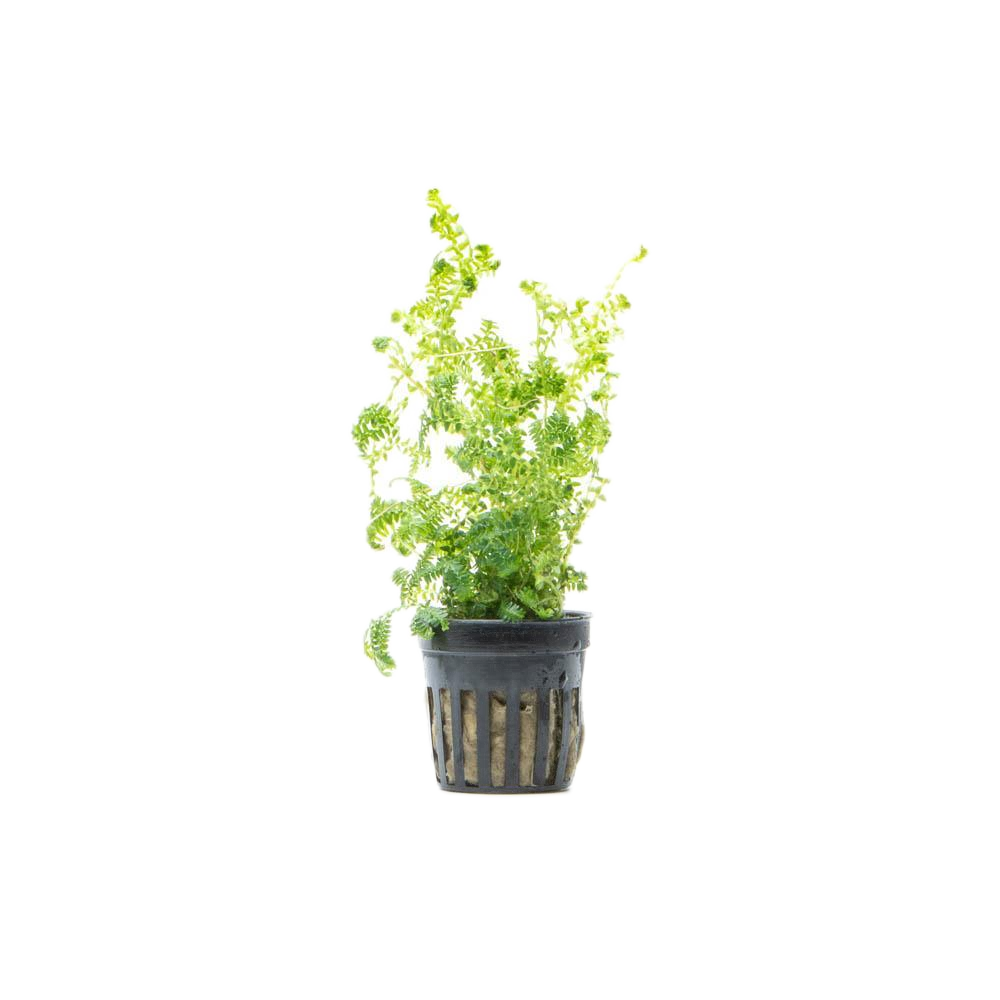
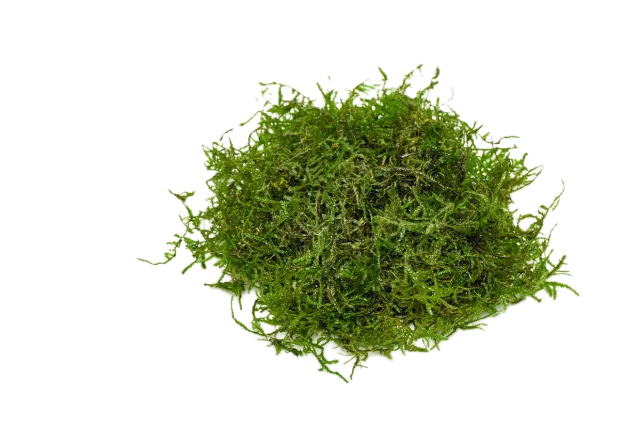
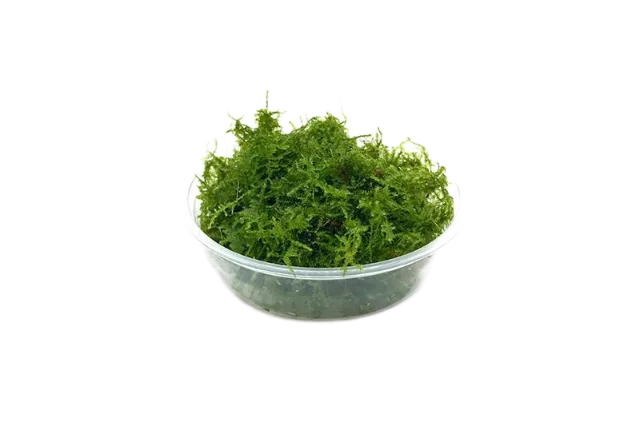
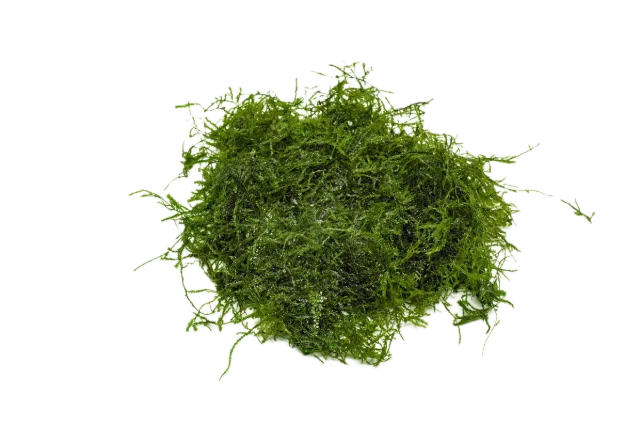
Selaginella Siamensis Hieron is a unique, exotic terrestrial plant native to Southeast Asia, with delicate, feathery fern-like leaves growing in a lush, green rosette with a glossy texture. It is an easy-care, slow-growing plant that thrives in moderate to high humidity for terrariums and humidified rooms; it must never be submerged.
Quick facts
Identity
- Also known as
- Spike Moss; Club Moss; Trailing Moss; Lesser Club Moss
- Environment
- Terrestrial
- Native to
- Thailand, Laos, Cambodia, Vietnam, Southern China (Yunnan)
- Habitat
- Terrestrial, on dry rocky ground in open forests and forest margins at 800-1,800 m elevation, under a seasonal monsoon climate
- Sourcing
- Captive-bred
- Conservation
- Not Evaluated
Care
- Care level
- Easy
- Growth form
- Rhizome
- Max height
- 3 – 10 in (7.6 – 25 cm)
- Spread
- 12 in (30 cm)
- Growth rate
- Slow
- Placement
- Foreground
Water
- Temperature
- 65 – 82 °F (18 – 28 °C)
- Humidity
- 60 – 85%
Planting
- Substrate
- Nutrient-rich preferred
- Feeds from
- Roots
- Fertilizer needs
- Low
- Colors
- Green, Blue, Purple, Teal
Feeding & breeding
- Propagation
- Cuttings, Rhizome division
Something wrong or missing? Submit a correction
Care guide
Overview
Thailand, Laos, Cambodia, Vietnam and Yunnan's monsoon forests are home to this creeping spike moss, found on dry rocky ground under seasonal rainfall. In cultivation it forms low, trailing mats of fine blue-green foliage across the terrarium floor, spreading slowly via rooting stems. Keep it emersed in a humid enclosure with filtered light; it will rot if submerged.
Care
This spike moss is grown as a terrestrial terrarium and paludarium plant rather than as a true aquarium plant, and it will rot if kept submerged. It does best in a closed or semi-closed enclosure where humidity stays consistently high, paired with a loose, well-draining substrate that is kept evenly moist but never waterlogged. Bright but filtered light brings out the iridescent blue-green sheen of the foliage, while direct sun quickly scorches the delicate leaves. Warm, draft-free conditions above roughly 65F suit it best, and it tolerates being slightly pot-bound.
Planting & trimming
Plant in a loose, airy, well-draining mix such as fine bark, coir, and sphagnum moss, keeping the rhizome and stem base at the surface rather than buried deep. It spreads by creeping stems that root as they contact the substrate, so give it open space to trail across the terrarium floor or climb over hardscape. Trim back leggy or yellowing stems periodically to keep growth compact and encourage bushier branching.
Fertilizing
Fertilizing needs are minimal since this is a slow-growing terrarium plant rather than a heavy feeder. A diluted liquid houseplant fertilizer applied sparingly during the growing season is sufficient, and overfeeding can cause leaf burn on the fine foliage. Pale or faded coloration usually points to insufficient humidity or excess light rather than a nutrient deficiency.
Propagation
Propagation is done by taking stem cuttings with a few nodes and laying them on moist substrate in high humidity until they root, or by dividing an established clump along its creeping rhizome sections. New divisions should be kept especially humid until established, as fine root systems are slow to redevelop.
Problems
The most common failure is drying out, where fronds crisp, brown, and die back rapidly if humidity drops below about 60 percent. Overly wet or compacted substrate can lead to stem and root rot, so drainage matters as much as moisture retention. Yellowing or leggy growth typically signals too little light or stagnant air, while scorched tips point to direct sun exposure.
Sources
More Mosses
Something wrong or missing? Submit a correction
In the community
Popular tanks using Selaginella Siamensis Hieron
No public tanks are showcasing Selaginella Siamensis Hieron yet.