
Terrarium Plant
Selaginella Indonesia
Selaginella sp.SelaginellaceaeMosses
Price: $27.99 USD
Add from My tanks →1 photos
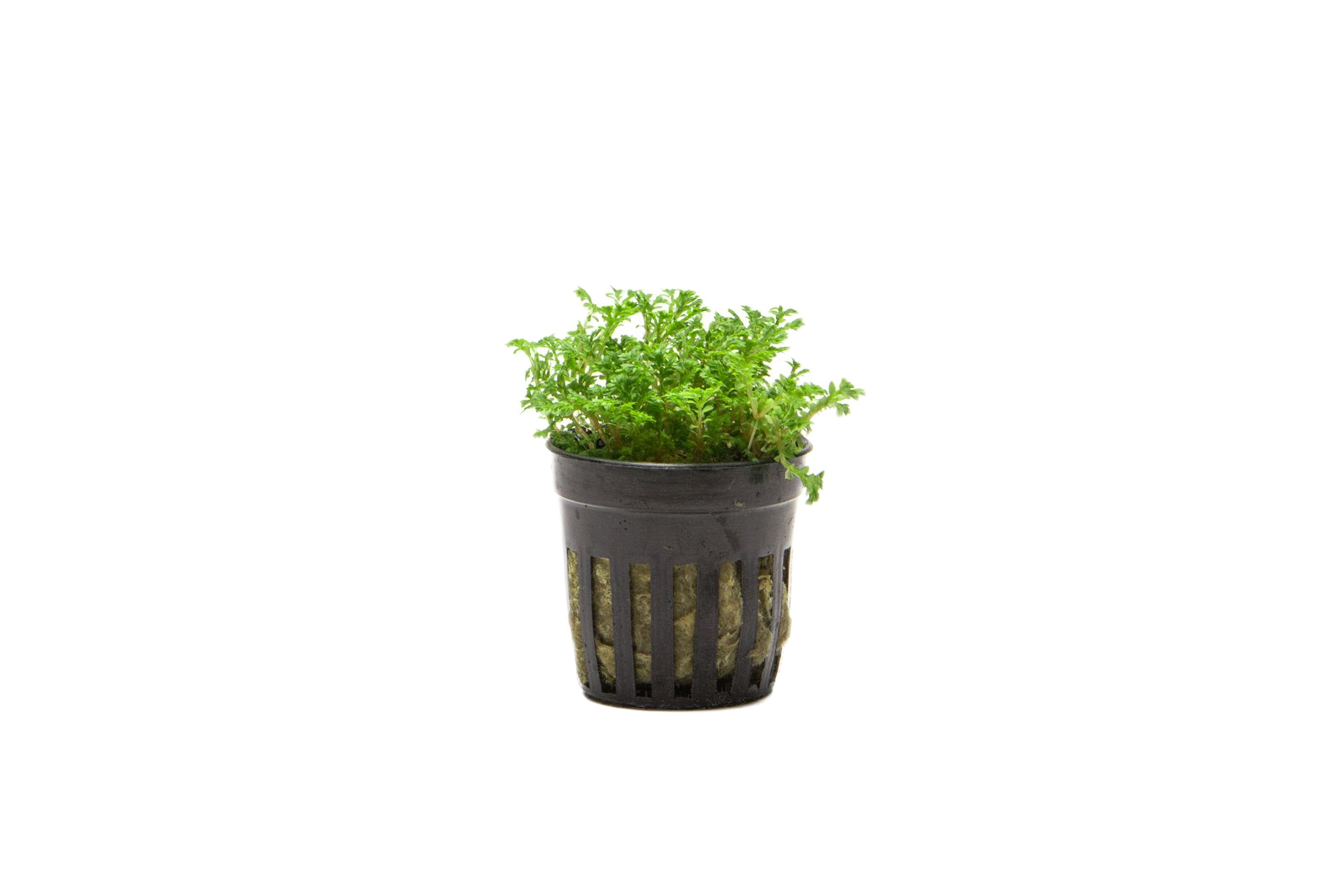
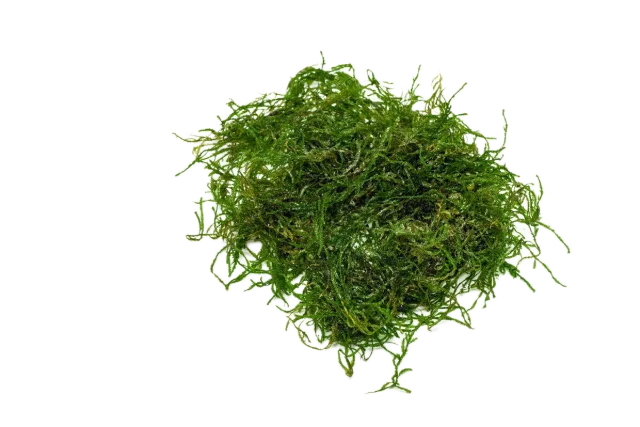
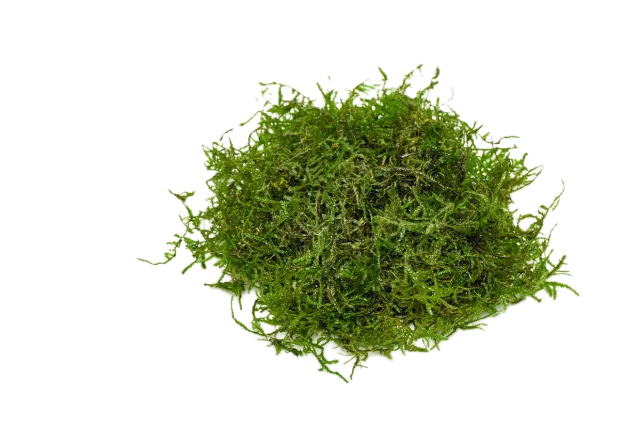
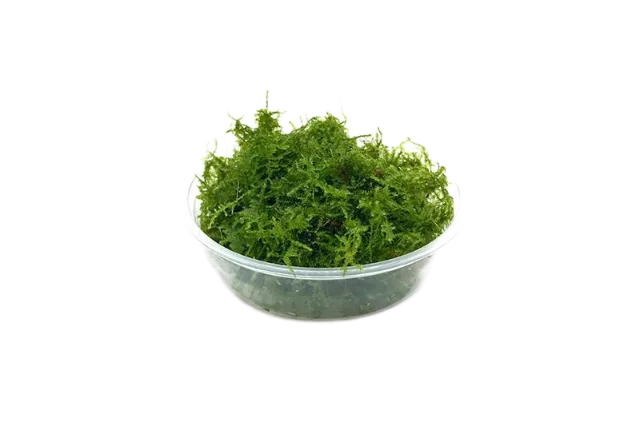
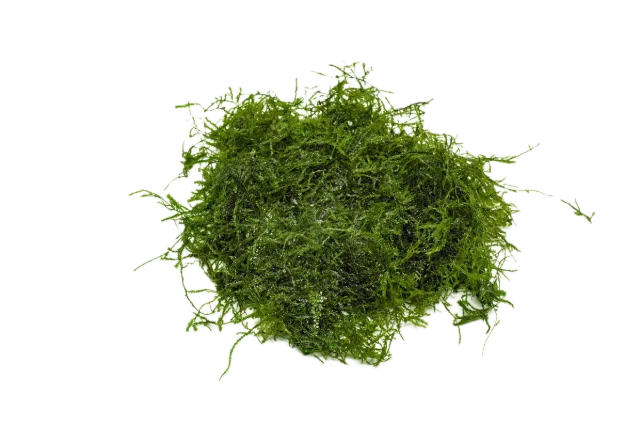
Selaginella Indonesia, a Blue Spikemoss from Southeast Asia, is a shrub-like tropical plant with blue-green iridescent, delicate fern-like foliage that grows close to the ground under 3 inches. Easy and moderately fast-growing, it provides ground coverage in terrarium and vivarium setups with high humidity and low to medium indirect light; it is not an aquarium plant.
Quick facts
Identity
- Also known as
- Blue spikemoss; Indonesian spikemoss; Blue club moss
- Environment
- Terrestrial
- Native to
- Southeast Asia, Central America, South America, Africa
- Habitat
- Humid tropical forest floor, mossy banks, decaying logs, and lower trunks of larger plants under heavy canopy shade
- Sourcing
- Aquacultured
- Conservation
- Not Evaluated
Care
- Care level
- Easy
- Growth form
- Moss
- Max height
- 2 – 6 in (5.1 – 15 cm)
- Spread
- 12 in (30 cm)
- Growth rate
- Moderate
- Placement
- Foreground, Carpet, Epiphyte
Water
- Temperature
- 65 – 80 °F (18 – 27 °C)
- Humidity
- 80 – 100%
Planting
- Substrate
- Nutrient-rich preferred
- Feeds from
- Roots
- Fertilizer needs
- Low
- Colors
- Green, Brown, Blue
Feeding & breeding
- Propagation
- Cuttings, Splitting
Something wrong or missing? Submit a correction
Care guide
Overview
Selaginella Indonesia traces to the humid forest floors of Southeast Asia, where it creeps along shaded, mossy ground beneath a dense canopy. In cultivation it forms a low, shrubby mat of blue-green iridescent foliage under 3 inches tall, suited to high-humidity terrariums and vivariums rather than submerged aquarium use.
Care
Spikemoss needs consistently damp substrate and high ambient humidity, ideally provided by a closed or mostly closed terrarium. Low to medium indirect light suits it best, since direct sun scorches the fine foliage while very dim conditions cause thin, leggy growth. It tolerates typical room warmth but should not be allowed to fall below the mid-50s Fahrenheit, and it will not survive a full submersion or repeated drying out.
Planting & trimming
Remove any packing material from the roots and press the plant or loose stem fragments firmly onto a moisture-retentive, well-draining substrate such as a tropical terrarium mix with peat and perlite. It roots readily along its stems wherever they contact damp soil, so it can be used to climb backgrounds and decor or spread as a low groundcover. Trim back climbing or spreading growth periodically to maintain a bushy shape or keep it within bounds, since growth can become fast and somewhat unpredictable under good conditions.
Propagation
Propagation is done by division or by scattering short stem cuttings across damp substrate, where they root at the nodes and knit together into a spreading mat over time. No special hormone treatment is needed, just consistent moisture and humidity while the fragments establish.
Problems
Yellowing foliage generally signals overwatering or waterlogged soil, while browning and crisping indicate the plant has dried out or humidity has dropped too far. Unlike true mosses, spikemoss rarely recovers once a section has fully desiccated, so consistent moisture matters more than occasional heavy watering. Pale or sparse growth points to excess light or insufficient humidity rather than a nutrient problem.
Sources
Varieties in the catalog
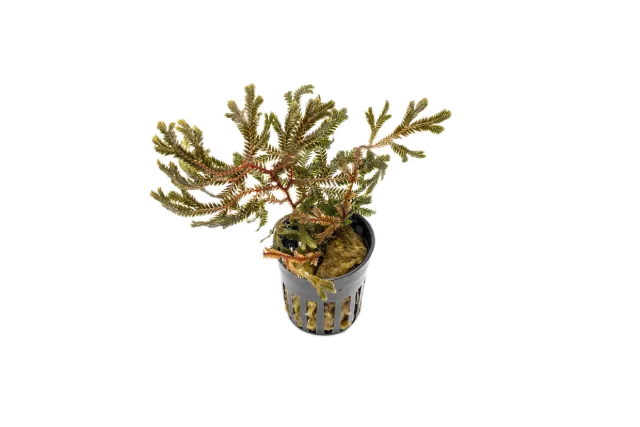
More Mosses
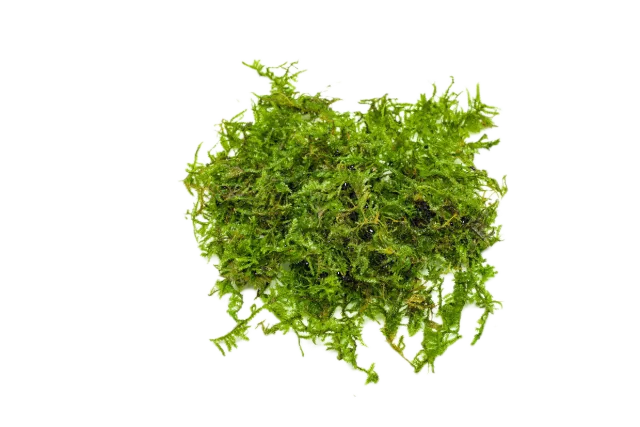
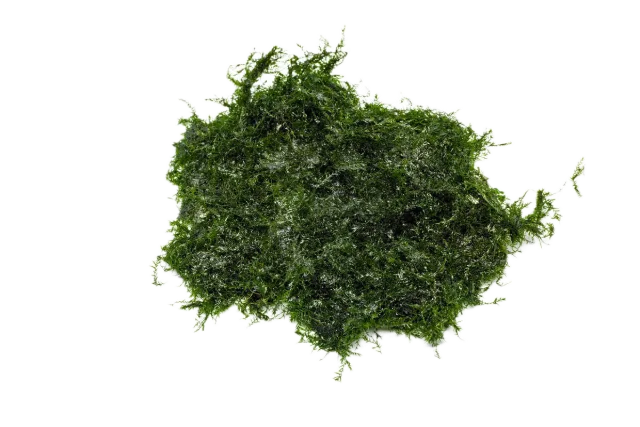
Something wrong or missing? Submit a correction
In the community
Popular tanks using Selaginella Indonesia
No public tanks are showcasing Selaginella Indonesia yet.