
Aquatic Plant
Schismatoglottis Sp. Mamasa
Schismatoglottis sp.AraceaeAroids
Price: $44.99 USD
Add from My tanks →1 photos
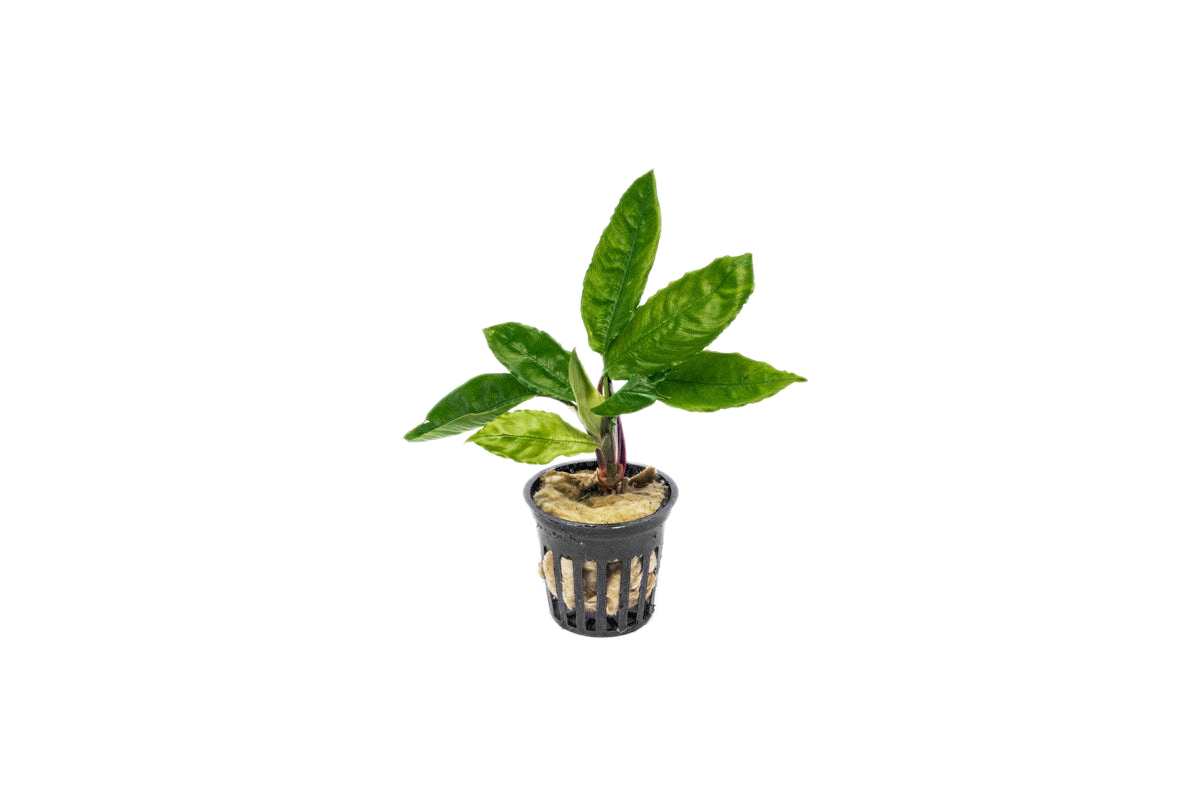
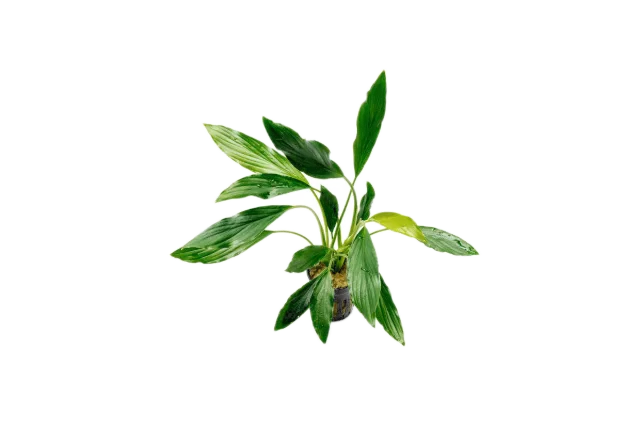
Schismatoglottis sp. 'Mamasa' is a rare tropical aroid from Southeast Asian forests with elongated leaves in striking green and silver patterns. A compact terrestrial or riparian plant suited to terrariums, paludariums or ripariums, it prefers 65 to 80°F, humidity above 40 percent and moist, well-draining soil, and does not grow fully submerged.
Quick facts
Identity
- Also known as
- Mamasa schismatoglottis
- Environment
- Freshwater
- Native to
- Indonesia (Sulawesi)
- Habitat
- Humid tropical forest floors and stream banks in Southeast Asia, growing terrestrially or as a riparian plant along moist, well-draining soils
- Sourcing
- Captive-bred
- Conservation
- Not Evaluated
Care
- Care level
- Moderate
- Growth form
- Rosette
- Max height
- 10 in (25 cm)
- Spread
- 8 in (20 cm)
- Growth rate
- Slow
- Placement
- Midground
Water
- Temperature
- 65 – 80 °F (18 – 27 °C)
- Light
- Low
- CO₂
- Beneficial
Planting
- Substrate
- Nutrient-rich preferred
- Feeds from
- Roots
- Fertilizer needs
- Medium
- Colors
- Green, Variegated
Feeding & breeding
- Propagation
- Rhizome division
Something wrong or missing? Submit a correction
Care guide
Overview
Elongated green leaves marked with silvery patterning form a low, compact rosette rarely exceeding ten inches. This Sulawesi aroid grows terrestrially or as a riparian plant, making it a candidate for terrariums, paludariums or ripariums rather than fully submerged aquascapes. Growth is slow, so keepers should expect a long-term display piece rather than fast-filling cover.
Care
This aroid is grown mainly as a terrestrial or riparian specimen rather than a true aquatic, doing best in terrariums, paludariums or ripariums where it can stay above the waterline or only partly submerged. It wants warm temperatures, moist but well-draining soil rich in organic matter, and steady humidity, with brief submersion tolerated but not sustained. Moderate, indirect light suits it well, and stagnant, overly wet substrate should be avoided to prevent rot at the base.
Planting & trimming
Plant with the rhizome resting on or just above the substrate surface rather than buried, similar to how Anubias is handled, since burying it invites rot. It can be mounted on wood or rock in a humid paludarium setup, or planted in a loose, well-draining soil mix for terrestrial display. Trim any yellowing or damaged leaves at the base to keep the rosette tidy.
Fertilizing
Root tabs or a nutrient-rich soil mix support steady growth, since this plant draws much of its nutrition through the roots rather than the water column. In paludarium or terrarium setups a diluted liquid fertilizer applied occasionally to the soil can help maintain leaf color and vigor. Pale or small new leaves usually point to insufficient nutrients or light rather than a specific deficiency.
Propagation
Propagation is by division of the rhizome, separating offshoots that have developed their own root mass from the parent plant. Each division should retain enough roots and at least one healthy leaf to establish independently. New divisions are best kept in high humidity until they show fresh growth.
Problems
Rot at the crown or rhizome is the most common issue, usually caused by burying the rhizome or keeping the substrate too saturated. Low humidity can cause leaf tip browning in open-air terrarium setups, so misting or a covered enclosure helps prevent this. It is not particularly prone to the sudden collapse and melt seen in some other aroids and crypts as long as conditions stay stable.
Sources
More Aroids
Something wrong or missing? Submit a correction
In the community
Popular tanks using Schismatoglottis Sp. Mamasa
No public tanks are showcasing Schismatoglottis Sp. Mamasa yet.