
Marine Invertebrates
Sand Sifting Sea Star
Astropecten polyacanthusAstropectinidaeSea stars
Price: $14.10 USD
Add from My tanks →1 photos
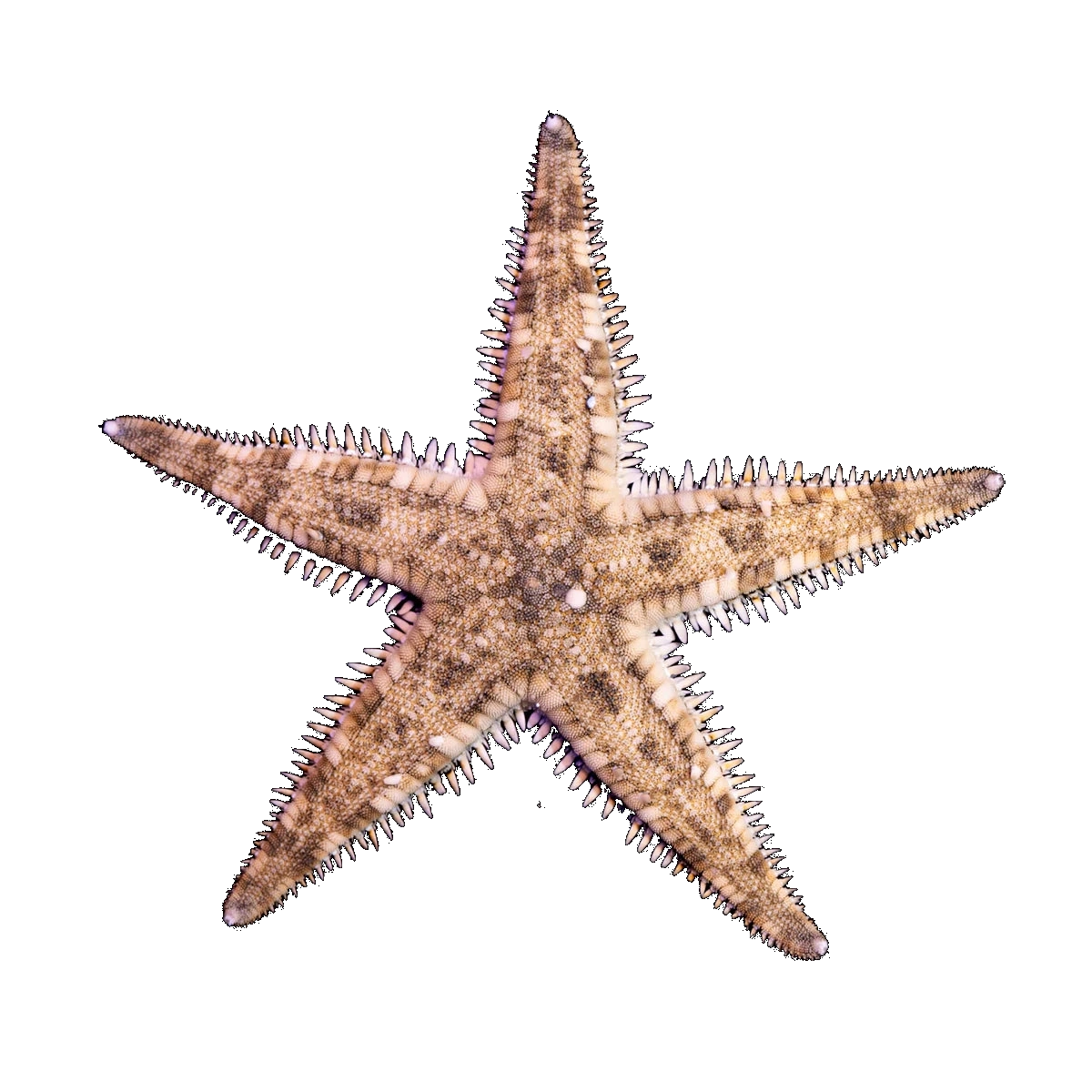
The Sand Sifting Sea Star (Astropecten polycanthus) has thick spine-covered arms with alternating bands of brown and beige. It is a nocturnally active peaceful omnivore that efficiently consumes detritus and uneaten foods while moving large amounts of sand as it burrows; needs a deep sand bed of several inches, should be actively fed a varied diet or it will starve and decay, must not be housed with puffers or other predators, and requires drip acclimation without air exposure, intolerant of copper and sudden changes in oxygen, salinity, or pH.
Quick facts
Handling caution: Contains tetrodotoxin (TTX), a potent neurotoxin with no known antidote; avoid ingestion and handle with care.
Identity
- Also known as
- Comb sea star; Comb star; Sand Sifting Starfish
- Synonyms
- Astropecten polycanthus
- Environment
- Saltwater
- Native to
- Red Sea, East Africa, Indo-Pacific, Japan, Australia, New Zealand, Hawaii
- Habitat
- Shallow tropical and sub-tropical seas on silty sand bottoms in lagoons, harbours, estuaries and seagrass beds, buried in the upper layer of sand down to about 600 ft depth.
- Sourcing
- Wild-caught
- Conservation
- Not Evaluated
Care
- Care level
- Moderate
- Temperament
- Peaceful
- Adult size
- 2.5 – 8 in (6.4 – 20 cm)
- Lifespan
- 2 – 5 yrs
- Min tank
- 55 gal (208 L)
- Growth rate
- Slow
- Placement
- Bottom
Water
- Temperature
- 72 – 78 °F (22 – 26 °C)
- pH
- 8.1 – 8.4
- dKH
- 8 – 12 dKH
- Salinity
- 1.023 – 1.025 SG
- Flow
- Low-Moderate
Behavior & compatibility
- Social
- Solitary
- Aggression to own kind
- Low
- Active
- Night
- Reef safe
- With caution
- Invert safe
- With caution
- Shrimp safe
- No
- Clean-up role
- Detritus, Sand sifting, Leftover food
- Population boom risk
- Low
Feeding & breeding
- Diet
- Omnivore
- Foods
- Frozen, Live, Freeze-dried
- Breeding type
- Broadcast spawner
- Breeding difficulty
- Not bred in captivity
- Sexing
- No external distinguishing characteristics between males and females; sexes cannot be reliably differentiated by sight.
- Target feeding
- Required
Something wrong or missing? Submit a correction
Care guide
Overview
Comb-like rows of stiff spines edge each of its five tapering arms, banded in brown, cream, and orange over a flattened star-shaped body. Active by night, it plows through a deep sand bed searching for buried prey and leftover food, but needs regular target feeding to avoid starving once the sand's natural fauna is depleted. Sensitive to copper and shifting water parameters, it pairs poorly with puffers or other predators.
Care
This sea star spends most of its time buried in the sand, emerging mainly at night to hunt across the substrate surface. It needs a deep, mature sand bed of several inches so it can burrow freely and find natural food, and it is highly sensitive to sudden shifts in salinity, pH, and dissolved oxygen. Copper-based medications are lethal to it, so it should never be housed in a tank that has been treated with copper. Because it moves slowly, tankmates that could prey on or harass it, such as puffers or triggerfish, are unsuitable companions.
Feeding
In the wild this species swallows small bivalves, gastropods, and other buried invertebrates whole, along with detritus and biofilm-coated debris. In captivity it needs to be target fed pieces of fish, shrimp, or other meaty foods regularly, since an established sand bed rarely provides enough food long term. Without supplemental feeding it will strip the substrate of edible fauna, then slowly starve and decay in place.
Tank mates
Its diet of small clams, snails, shrimp, urchins, and other sea stars makes it a genuine risk to a diverse reef sand bed community, so it should be kept with caution around valuable sessile and burrowing invertebrates. It will not bother corals or fish directly and is considered reef safe with respect to sessile life. Predatory fish that could injure or eat it, notably puffers, should be avoided.
Breeding
Reproduction in the wild occurs through broadcast spawning, with eggs and sperm released into the water column for external fertilization. Breeding has not been reliably achieved in home aquariums, and sexes cannot be visually distinguished. Most specimens in the trade are wild collected rather than the result of captive reproduction.
Health
The biggest cause of death in captivity is slow starvation once the sand bed's natural food supply is exhausted, which leads to tissue decay and a foul-smelling die-off. Sudden swings in salinity, pH, or oxygen levels can trigger rapid decline, so stable water chemistry is essential. Exposure to copper treatments or lengthy air exposure during handling and acclimation is also frequently fatal.
Sources
More Sea stars
Something wrong or missing? Submit a correction
In the community
Popular tanks using Sand Sifting Sea Star
No public tanks are showcasing Sand Sifting Sea Star yet.