
Shrimp
Red Calceo Shrimp
Caridina cantonensisAtyidaeDwarf shrimp
Price: $99.99 USD
Add from My tanks →1 photos
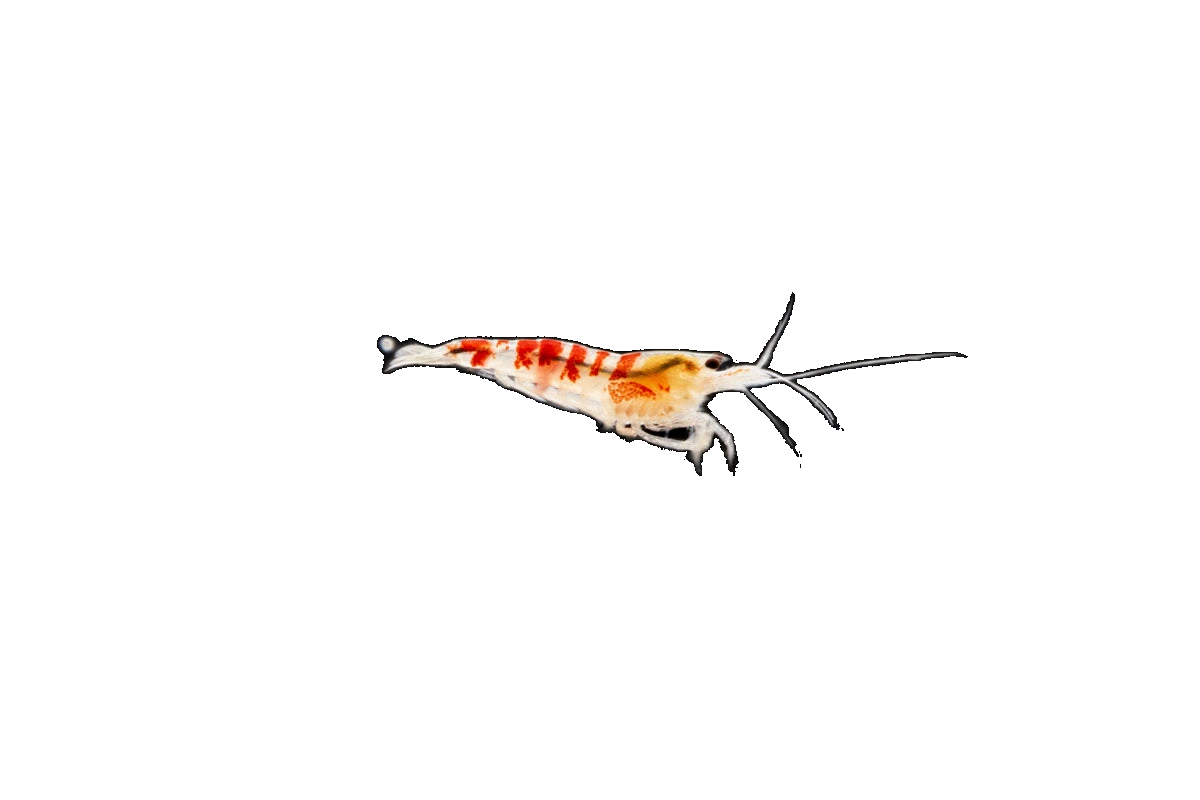
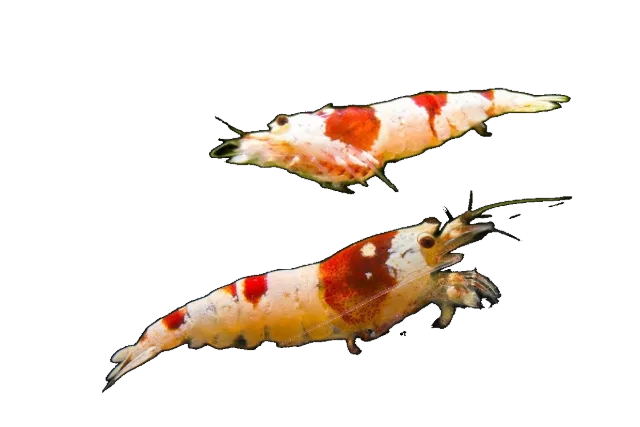
Red Calceo Shrimp (Golden Dragon) is a rare Taiwan Bee hybrid (Caridina cantonensis) valued for its translucent golden-yellow body with vivid crimson dragon stripes that look like flickering flames, each individual unique. These active scavengers graze on biofilm and algae but need soft, acidic water over an active buffering substrate due to their specialized hybrid genetics.
Quick facts
Identity
- Also known as
- Golden Dragon Shrimp
- Synonyms
- Caridina cf. cantonensis
- Environment
- Freshwater
- Native to
- Southern China (Guangdong), Northern Vietnam
- Habitat
- Cool, shaded mountain streams and forest creeks with clear, slow-flowing water over rocky or sandy substrate thick with leaf litter
- Sourcing
- Captive-bred
- Conservation
- Not Evaluated
Care
- Care level
- Difficult
- Temperament
- Peaceful
- Adult size
- 0.6 – 1.2 in (1.5 – 3 cm)
- Lifespan
- 1 – 2 yrs
- Min tank
- 10 gal (38 L)
- Growth rate
- Slow
- Placement
- Bottom
Water
- Temperature
- 68 – 74 °F (20 – 23 °C)
- pH
- 5.8 – 6.8
- GH
- 4 – 6 dGH
- TDS
- 100 – 150 ppm
- dKH
- 0 – 2 dKH
- Flow
- Low-Moderate
Behavior & compatibility
- Social
- Group · groups of 10+
- Aggression to own kind
- Low
- Active
- Night
- Invert safe
- Yes
- Plant safe
- Yes
- Shrimp safe
- Yes
- Clean-up role
- Biofilm, Algae, Detritus, Leftover food
- Population boom risk
- Moderate
Feeding & breeding
- Diet
- Omnivore
- Foods
- Micro-pellets, Pellets, Algae, Biofilm, Vegetables, Freeze-dried, Frozen
- Breeding type
- Direct development
- Breeding difficulty
- Moderate
- Sexing
- Females are larger and broader-bodied with a more pronounced saddle-shaped underside for carrying eggs; males are smaller and slimmer
- Target feeding
- Beneficial
Something wrong or missing? Submit a correction
Care guide
Overview
Red Calceo Shrimp, also called Golden Dragon, originates from hybridizing within Taiwan Bee lines to fix a translucent golden-yellow body marked with crimson stripes resembling flame patterns. Each shrimp carries a distinct pattern, making the line prized among collectors of specialty hybrids. Its specialized genetics call for soft, acidic water over an active buffering substrate.
Care
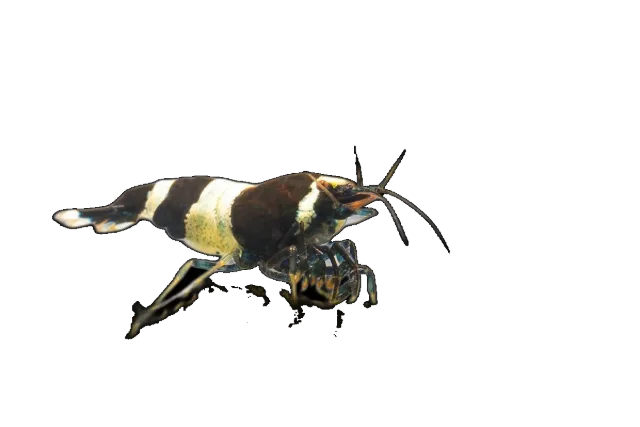
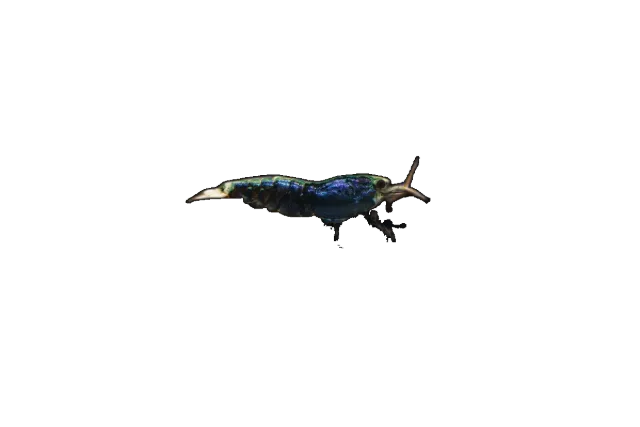
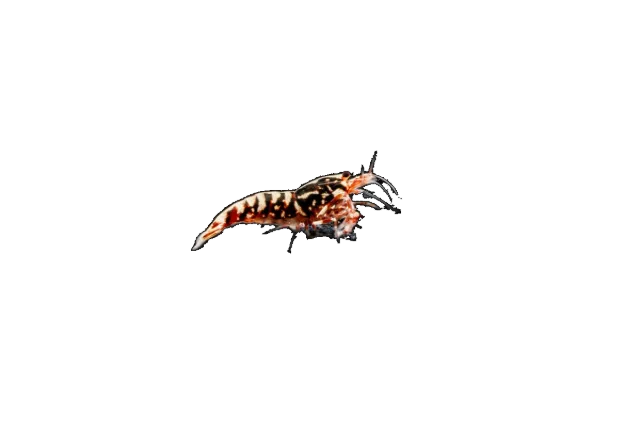
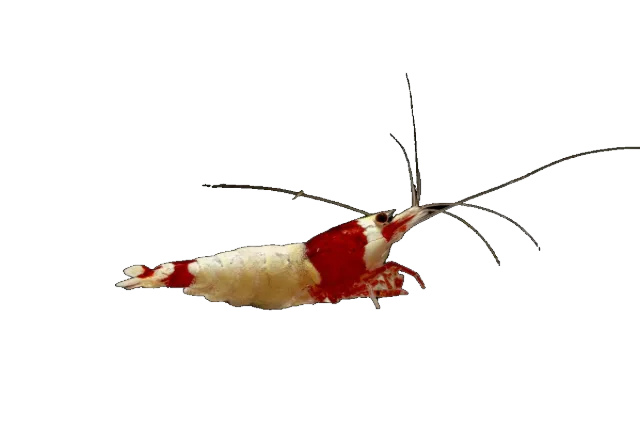
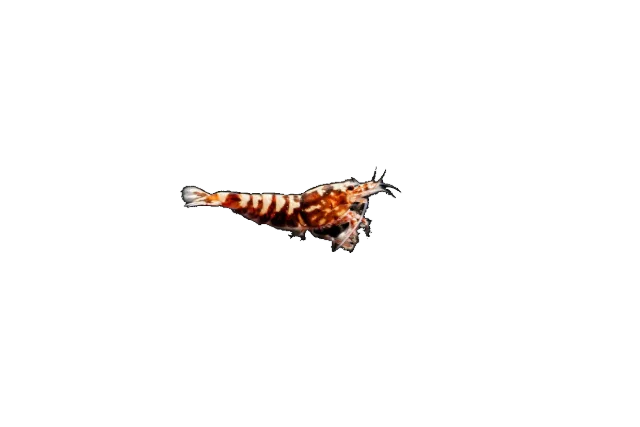
This species and its many selectively bred color forms (Crystal Red, Crystal Black, Taiwan Bee lines like King Kong, Panda, Blue Bolt, and Pinto) demand soft, acidic, and highly stable water rather than the hardier conditions Neocaridina tolerate. An active buffering aquasoil is standard practice to hold pH in the low 6s and keep carbonate hardness near zero, and a mature tank with established biofilm and dense moss or fine-leaved plants gives them constant grazing and cover. Deep-color, heavily inbred grades such as Taiwan Bee lines are noticeably more sensitive to fluctuations in TDS, ammonia, and nitrate than the original wild-type bee shrimp, so frequent monitoring and small, gradual water changes matter more than with most freshwater invertebrates. Copper-based medications and metal-contaminated water are lethal and must be avoided entirely.
Feeding
Shrimp graze almost continuously on bacterial biofilm, microalgae, and decaying leaf matter, so a tank with an established biofilm layer reduces reliance on supplemental feeding. Offer small amounts of sinking shrimp pellets, spirulina, blanched vegetables such as zucchini or spinach, and occasional protein sources like frozen or freeze-dried foods two to three times a week. Remove uneaten food within a day since leftovers foul the soft, low-buffer water quickly and can trigger ammonia spikes that are especially dangerous to sensitive Taiwan Bee grades.
Tank mates
Best housed in a species-only shrimp tank, since almost any fish will eat the shrimplets and many will stress or pick at adults, especially the more delicate Taiwan Bee varieties. Small, peaceful, acid-tolerant fish such as Boraras species are sometimes used with wild-type or hardier bee shrimp, but breeders of high-grade lines generally avoid fish altogether. Snails that tolerate soft, acidic water can share the tank without conflict, as this shrimp is non-aggressive toward other invertebrates.
Breeding
Females carry 15 to 30 fertilized eggs beneath their swimmerets for several weeks until fully formed shrimplets emerge, with no planktonic larval stage, which makes rearing straightforward compared with brackish-water shrimp. Breeding success depends heavily on water stability rather than technique, since even minor swings in pH, GH, or TDS can cause failed molts or dropped eggs in high-grade Taiwan Bee lines. Selective breeding of specific color and pattern grades (Pinto, Galaxy, Mosura crowns) is done by pairing shrimp with desired markings and culling offspring that do not meet grade standards over several generations.
Health
Molting problems are the most common health issue, particularly when GH or mineral content is too low, leading to shrimp becoming stuck in a partially shed exoskeleton and dying shortly after. Bacterial or fungal infections show as discoloration, lethargy, or white patches and are best managed with daily partial water changes and isolation of affected individuals, since antibiotics are rarely effective. Copper in tap water, medications, or even some plant fertilizers is highly toxic and should be tested for before use in any shrimp tank.
Sources
Varieties in the catalog
More Dwarf shrimp
Something wrong or missing? Submit a correction
In the community
Popular tanks using Red Calceo Shrimp
No public tanks are showcasing Red Calceo Shrimp yet.