
Terrarium Plant
Pteris Ensiformis
Pteris ensiformisPteridaceaeFerns
Price: $9.99 USD
Add from My tanks →1 photos
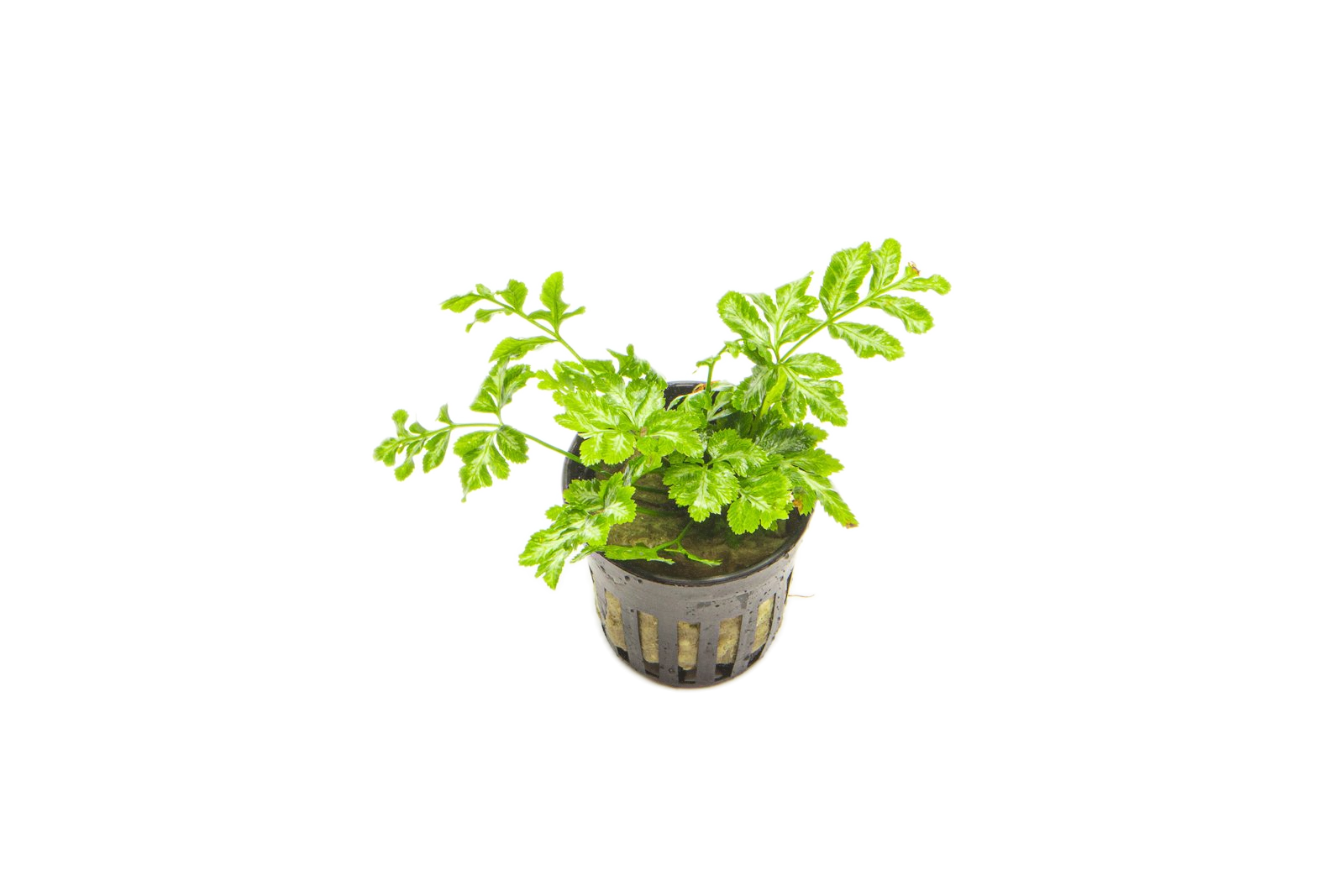
Pteris Ensiformis (Silver Lace Fern) is a Southeast Asian tropical rainforest fern prized for silvery-white fronds with thin green margins growing in a branched feather-like pattern. It reaches up to 18 inches tall, making it a great background plant for humid terrariums and paludariums in shady, loose acidic substrate; it must never be submerged.
Quick facts
Identity
- Also known as
- Silver Lace Fern; Snow Brake Fern; Slender Brake Fern; Sword Brake Fern
- Synonyms
- Pteris ensiformis 'Evergemiensis'
- Environment
- Terrestrial
- Native to
- Southeast Asia, Asia-Pacific
- Habitat
- Shaded, humid tropical rainforest understory beneath tree canopy, growing terrestrially in damp, loose, well-drained soil
- Sourcing
- Captive-bred
- Conservation
- Not Evaluated
Care
- Care level
- Moderate
- Growth form
- Rhizome
- Max height
- 4 – 18 in (10 – 46 cm)
- Spread
- 16 in (41 cm)
- Growth rate
- Moderate
- Placement
- Background
Water
- Temperature
- 60 – 78 °F (16 – 26 °C)
- Humidity
- 60 – 80%
Planting
- Substrate
- Nutrient-rich preferred
- Feeds from
- Roots
- Fertilizer needs
- Low
- Colors
- Green, Cream
Feeding & breeding
- Propagation
- Rhizome division
Something wrong or missing? Submit a correction
Care guide
Overview
Southeast Asian rainforest floors give rise to this fern, found beneath dense canopy in loose, damp soil. Fronds emerge with silvery-white variegation edged in green, arranged in a branched, feather-like form reaching up to 18 inches. Best suited to a humid background planting where it grows terrestrially and never submerged.
Care
Silver lace fern does best in a shaded to partially lit terrarium or paludarium with steady warmth between 65 and 78°F. It needs consistently moist but well-drained substrate and appreciates high ambient humidity, wilting quickly if the air or soil dries out. Direct sun scorches the fronds, so bright indirect or filtered light is preferable over full exposure.
Planting & trimming
Remove any packing material from the roots and plant the rhizome shallowly in a loose, acidic, humus-rich mix such as peat and soil, keeping the crown above the substrate surface. Position it in the background of a terrarium or paludarium where it has room to spread, never in standing water or submerged. Trim off spent or damaged fronds at the base to keep the clump tidy and encourage fresh growth.
Fertilizing
As a light feeder, this fern only needs a diluted liquid fertilizer applied monthly or every few weeks during the growing season. Overfeeding tends to cause browning at the frond tips, so a quarter to half strength dose is usually enough. Yellowing fronds are more often a sign of overwatering than a nutrient deficiency.
Propagation
The easiest method is dividing an established clump at the rhizome during repotting, separating it into sections that each retain roots and fronds. It can also propagate from spores released on the underside of mature fronds, though this method is much slower and less practical for hobbyists. New plantlets sometimes emerge naturally from rhizome offshoots that spread away from the parent clump.
Problems
Fronds that crisp or wilt usually indicate insufficient humidity or a substrate that has dried out, while yellowing leaves point to waterlogged soil or root rot. Variegation fades in low light, so a lack of silvery banding on new growth suggests the plant needs brighter, indirect illumination. Complete submersion or prolonged wet feet will cause the crown to melt and eventually kill the plant.
Sources
More Ferns
Something wrong or missing? Submit a correction
In the community
Popular tanks using Pteris Ensiformis
No public tanks are showcasing Pteris Ensiformis yet.