
Terrarium Plant
Philodendron Minarum
Philodendron sagittifoliumAraceaePhilodendrons
Price: $29.99 USD
Add from My tanks →0 photos
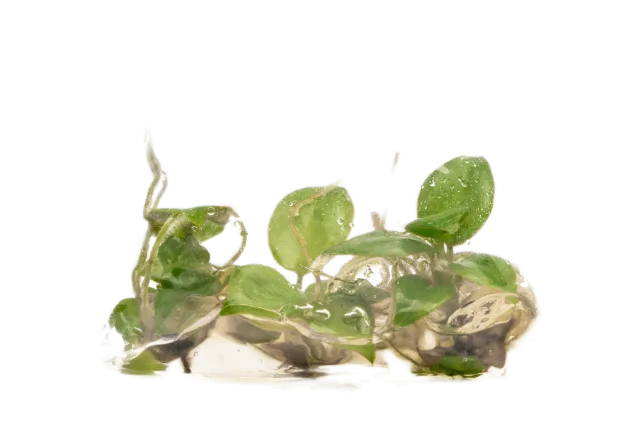
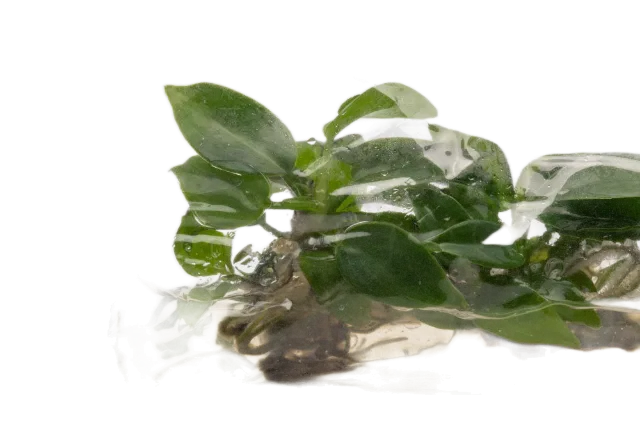
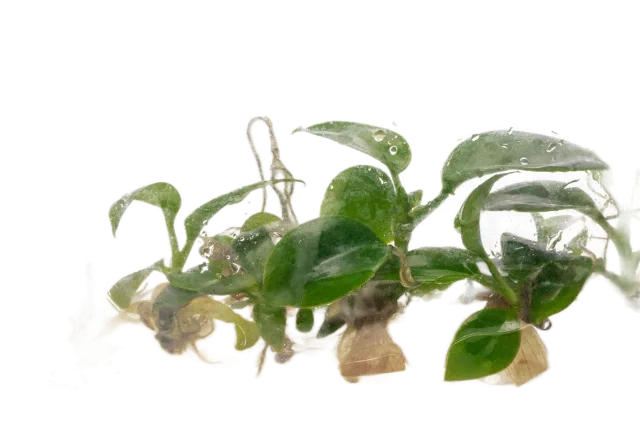
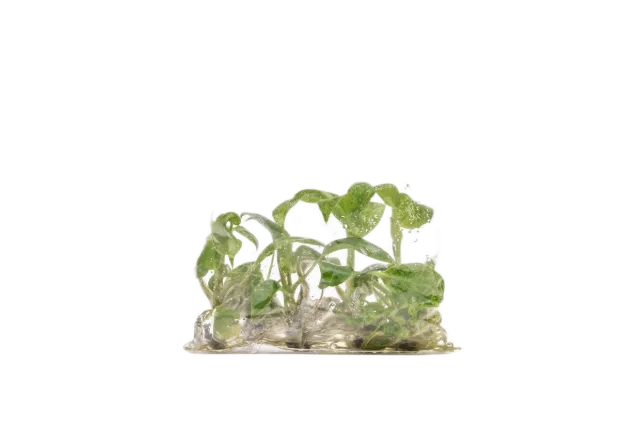
Philodendron Minarum is a hardy tropical specimen that produces large, mask-shaped green leaves and grows fast when given a stake or moss pole to climb. A good beginner plant for indoor or outdoor containers, it prefers warmer temperatures, a well-aerated moisture-retentive medium, and increased humidity; propagation is by cuttings with a viable node.
Quick facts
Handling caution: Sap may cause skin or mucous membrane irritation due to calcium oxalate crystals
Identity
- Also known as
- Arrowhead Philodendron
- Synonyms
- Philodendron hastatum (misapplied)
- Environment
- Terrestrial
- Native to
- Colombia, Ecuador, Venezuela, Brazil
- Habitat
- Understory and mid-elevation cloud forests, growing terrestrially in humus-rich soil or hemiepiphytically on tree trunks
- Sourcing
- Captive-bred
- Conservation
- Not Evaluated
Care
- Care level
- Moderate
- Growth form
- Vine
- Max height
- 12 – 144 in (30 – 366 cm)
- Spread
- 36 in (91 cm)
- Growth rate
- Fast
- Placement
- Background
Water
- Temperature
- 65 – 80 °F (18 – 27 °C)
- Humidity
- 60 – 80%
Planting
- Substrate
- Nutrient-rich preferred
- Feeds from
- Roots
- Fertilizer needs
- Medium
- Colors
- Green
Feeding & breeding
- Propagation
- Cuttings
Something wrong or missing? Submit a correction
Care guide
Overview
Suited to houseplant or paludarium keepers who can offer a moss pole and warm, humid air, this climbing aroid rewards support with large, mask-shaped green leaves and steady vine growth. It needs bright indirect light and a chunky, well-draining mix rather than dense wet soil. Fast growing and forgiving once established, it propagates readily from node cuttings.
Care
This large-leaved climbing aroid does best with a moss pole, trellis, or piece of bark to grip as it matures, since leaf size and the classic arrowhead shape only develop once the plant has something sturdy to climb. Bright, indirect light suits it better than deep shade, and a loose, chunky, well-aerated mix of bark, perlite, and peat or coco coir prevents the root rot that plagues specimens kept in dense, wet soil. Warm temperatures in the mid 60s to low 80s Fahrenheit and consistently high humidity keep growth steady and internodes tight. Given adequate support and warmth it is a fast, fairly forgiving grower for an experienced houseplant or paludarium keeper.
Planting & trimming
Pot in a chunky, well-draining aroid mix of bark, perlite, and peat or coco coir, and provide a moss pole or trellis at planting time so the stem can climb and produce mature, arrow-shaped leaves rather than sprawling. Aerial roots should be allowed to attach to the support or be lightly tied in place until they grip on their own. Repot young plants once root-bound and top-dress or refresh the soil annually for larger, established specimens; occasional pruning keeps the plant bushy and manageable.
Fertilizing
Feed with a balanced liquid fertilizer diluted to about half strength every two to four weeks during spring and summer, tapering off in winter when growth slows. A formulation with some magnesium and calcium supports the large leaves and helps avoid pale or weak new growth. Slow-release root tabs or pellets worked into the potting mix can supplement liquid feeding for potted specimens, and yellowing lower leaves combined with slow growth usually signal it is time to feed rather than an overwatering issue.
Propagation
Propagate by stem cuttings that include at least one viable node, rooting them in water or directly in a moist, well-aerated mix. Cuttings are usually kept warm and humid, with roots appearing within a few weeks under favorable conditions. Seed propagation is possible following flowering but is rarely used in cultivation due to the ease and speed of vegetative propagation.
Problems
Overwatering and compacted, poorly draining soil are the most common causes of root rot, drooping, and leaf yellowing in this species. Low humidity leads to crisping leaf edges and stalled growth, while insufficient light produces long, leggy stems with small, pale foliage. Watch for spider mites and mealybugs in dry indoor conditions, and remove any mushy roots or blackened stem tissue promptly to stop rot from spreading.
Sources
More Philodendrons
Something wrong or missing? Submit a correction
In the community
Popular tanks using Philodendron Minarum
No public tanks are showcasing Philodendron Minarum yet.