
Terrarium Plant
Philodendron Bipennifolium
Philodendron bipennifoliumAraceaePhilodendrons
Price: $65.99 USD
Add from My tanks →1 photos
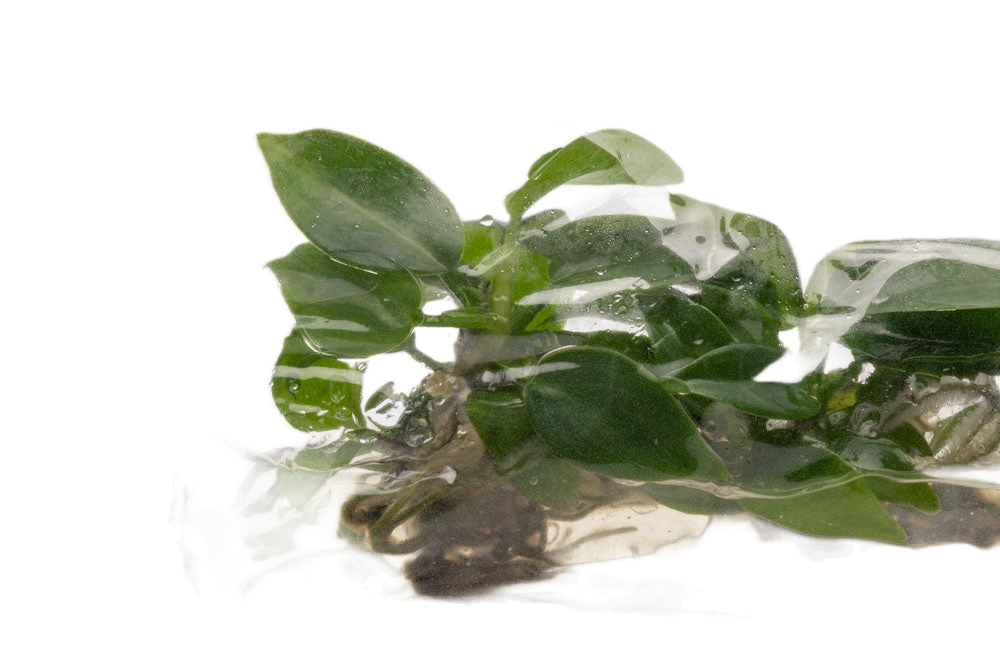
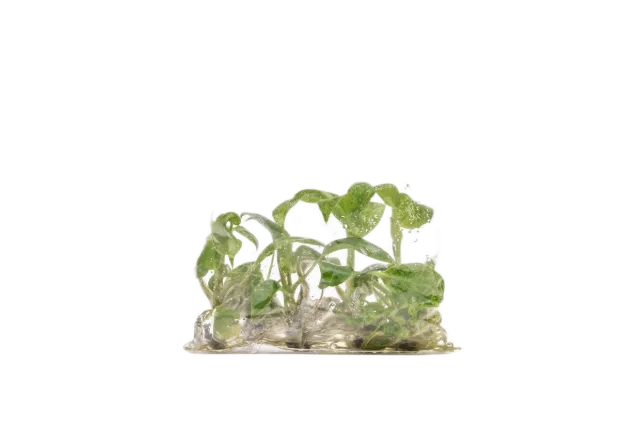
Philodendron Bipennifolium (Fiddleleaf Philodendron) is a large, climbing specimen with uniquely shaped foliage, prized for its highly adaptable nature and easy care. Provide a stake or pole for support, a well-aerated moisture-retentive medium, and increased humidity; propagation is by cuttings with a viable node.
Quick facts
Handling caution: Sap can irritate skin and is toxic if ingested due to calcium oxalate crystals
Identity
- Also known as
- Horsehead Philodendron; Fiddle-leaf Philodendron; Panda Plant
- Synonyms
- Philodendron panduriforme
- Environment
- Terrestrial
- Native to
- Brazil, Argentina, Bolivia, Paraguay
- Habitat
- Tropical rainforest understory, where it grows as a hemi-epiphyte climbing tree trunks with aerial roots
- Sourcing
- Captive-bred
- Conservation
- Not Evaluated
Care
- Care level
- Easy
- Growth form
- Vine
- Max height
- 12 – 120 in (30 – 305 cm)
- Spread
- 36 in (91 cm)
- Growth rate
- Moderate
- Placement
- Background
Water
- Temperature
- 65 – 85 °F (18 – 29 °C)
- Humidity
- 50 – 80%
Planting
- Substrate
- Nutrient-rich preferred
- Feeds from
- Roots
- Fertilizer needs
- Medium
- Colors
- Green
Feeding & breeding
- Propagation
- Cuttings
Something wrong or missing? Submit a correction
Care guide
Overview
Suited to keepers who want a climbing aroid rather than a compact houseplant, this philodendron produces deeply lobed, horsehead- or fiddle-shaped green leaves along a vining stem that needs a moss pole or trellis. Given warmth, humidity, and bright indirect light, it climbs steadily via aerial roots and reaches several feet indoors. It handles occasional neglect well but sulks in soggy soil or low humidity.
Care
A vining aroid grown for its distinctive fiddle- or horsehead-shaped leaves, this philodendron is a hemi-epiphyte in nature, climbing tree trunks with aerial roots rather than growing as a true epiphyte. Indoors it needs a moss pole, trellis, or other support to climb, and bright indirect light produces the best leaf shape and size. Well-draining, humus-rich soil kept lightly moist (never soggy) and warm temperatures in the 65-85F range keep the plant healthy, while humidity above 50 percent encourages larger, glossier foliage. It tolerates a range of light from partial shade to bright indirect conditions, but direct sun scorches the leaves.
Planting & trimming
Pot in a well-aerated, fast-draining, moisture-retentive aroid mix (bark, perlite, and peat or coco coir) with a stake, moss pole, or trellis included at planting time so the climbing stem has immediate support. Tie or clip the stem loosely to the support as it grows, and mist or wrap the pole to encourage aerial roots to attach. Trim leggy or bare stems back to a node to encourage bushier growth and use removed sections as cuttings.
Fertilizing
Feed with a balanced liquid houseplant fertilizer diluted to half strength every 4-6 weeks during spring and summer growth, tapering off in fall and winter. Root tabs are unnecessary since this is a container soil-grower rather than an aquatic or heavy root-feeding plant. Pale new leaves or slowed growth despite good light usually point to a nitrogen deficiency and respond well to a light feeding.
Propagation
Propagate by stem cuttings that include at least one node and ideally an aerial root, rooting them in water, moist sphagnum moss, or directly in soil under warm, humid conditions. Roots typically form within a few weeks, after which the cutting can be potted into standard aroid mix. Layering is also possible by pinning a node against moist substrate while still attached to the parent plant.
Problems
Overwatering is the most common problem, leading to root rot and yellowing lower leaves, so allowing the top couple inches of soil to dry between waterings prevents most issues. Excess water sitting on the leaves in cool conditions can invite fungal leaf spot, so misting should be done in the morning to allow foliage to dry. Low humidity causes crisping brown leaf edges, while too much direct sun bleaches or scorches the foliage.
Sources
More Philodendrons
Something wrong or missing? Submit a correction
In the community
Popular tanks using Philodendron Bipennifolium
No public tanks are showcasing Philodendron Bipennifolium yet.