
Terrarium Plant
Philodendron Billietiae
Philodendron billietiaeAraceaePhilodendrons
Price: $65.99 USD
Add from My tanks →1 photos
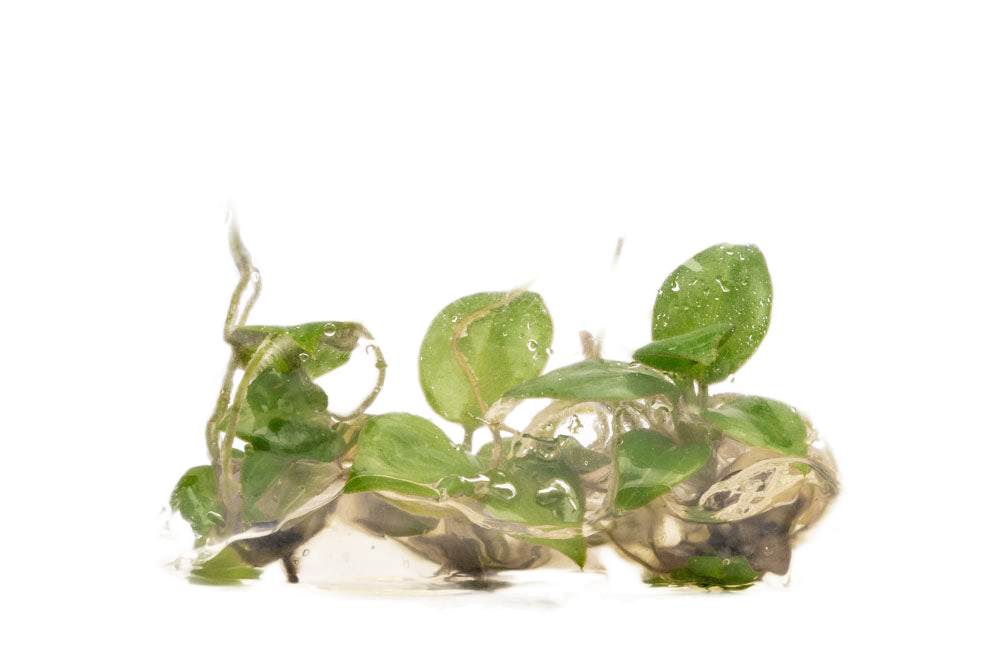
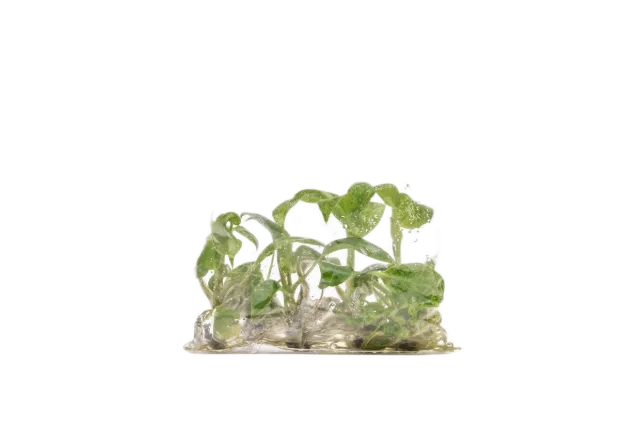
Philodendron Billietiae is a unique climbing specimen loved in the rare plant community, featuring long, arrow-shaped green leaves on deep orange stems. It is relatively easy to care for, preferring higher humidity, a well-draining moisture-retentive medium, bright-indirect light, and a moss pole to climb; propagation is by cuttings with a viable node.
Quick facts
Handling caution: Sap can irritate skin and mouth due to calcium oxalate crystals
Identity
- Also known as
- Billietiae Philodendron; Orange Petiole Philodendron
- Environment
- Terrestrial
- Native to
- French Guiana, Brazil, Suriname
- Habitat
- Humid lowland rainforest, growing terrestrially before climbing as a hemiepiphyte up tree trunks toward filtered canopy light
- Sourcing
- Captive-bred
- Conservation
- Not Evaluated
Care
- Care level
- Easy
- Growth form
- Vine
- Max height
- 12 – 36 in (30 – 91 cm)
- Spread
- 18 in (46 cm)
- Growth rate
- Moderate
- Placement
- Background
Water
- Temperature
- 65 – 85 °F (18 – 29 °C)
- Humidity
- 60 – 80%
Planting
- Substrate
- Nutrient-rich preferred
- Feeds from
- Roots
- Fertilizer needs
- Medium
- Colors
- Green, Orange
Feeding & breeding
- Propagation
- Cuttings
Something wrong or missing? Submit a correction
Care guide
Overview
Suits growers who want an aroid that adds contrast without a fussy routine: elongated, arrow-shaped green leaves emerge from bright orange petioles, deepening in color as the plant matures. Left with a moss pole or trellis, it climbs steadily via aerial roots, gaining leaf size along the way. Moderate growth and easy care make it a reasonable step up from starter aroids.
Care
Given bright, indirect or filtered light, a chunky well-draining aroid mix, and steady warmth in the upper 60s to low 80s Fahrenheit, this philodendron settles in without much fuss. It appreciates a moss pole or similar support once the stem lengthens, since climbing encourages larger leaves and sturdier orange petioles. Allow the top inch or two of substrate to dry before rewatering, as constantly soggy roots lead to problems faster than mild underwatering does.
Planting & trimming
Pot in a loose, chunky aroid mix of bark, perlite, and coco coir or peat that holds some moisture while draining freely, and use a container with good drainage holes. Provide a moss pole, coco pole, or trellis early so the aerial roots have something to grip as the vine matures. Trim back leggy growth or spent lower leaves to keep the plant full, and repot every one to two years as roots fill the pot.
Fertilizing
Apply a balanced liquid houseplant fertilizer diluted to about half strength during the active spring and summer growing months, tapering off in fall and winter. Root tabs or slow-release pellets pushed into the substrate work well for potted specimens and reduce the need for frequent liquid dosing. Pale new leaves or slowed growth usually point to a nitrogen or iron shortfall and can be corrected with a micronutrient supplement.
Propagation
Take stem cuttings that include at least one node and ideally one healthy leaf, cutting half an inch to an inch below the node. Root the cutting in water, damp sphagnum moss, or a perlite mix, optionally dipping the cut end in rooting hormone first; roots typically appear within a few weeks in warm, humid conditions. Cuttings that already have an aerial root at the node tend to establish fastest.
Problems
Overwatering and poorly draining mix are the most common causes of root rot, showing up as yellowing lower leaves or a mushy stem base. Low humidity can cause browning leaf edges and slower, smaller new growth. Spider mites and mealybugs occasionally appear on the undersides of leaves in dry indoor conditions and respond to a wipe-down with insecticidal soap.
Sources
More Philodendrons
Something wrong or missing? Submit a correction
In the community
Popular tanks using Philodendron Billietiae
No public tanks are showcasing Philodendron Billietiae yet.